


HYBRID
Unifi Dynamic Asset Allocation Fund
An open ended dynamic asset allocation fund investing in debt and equity instruments only.

- Direct
- Regular
 0.026%
0.024%
- Performance
- Fund Facts
- Factsheet & Documents
- Fund Managers
Performance
- Graph
- SEBI format table
* Index rebase to 10
Past performance may or may not be sustained in future
Historical Returns (As per SEBI format)
| Unifi Dynamic Asset Allocation Fund (Direct Growth) | Unifi Dynamic Asset Allocation Fund (Regular Growth) | CRISIL Hybrid 50+50 Moderate Index (Tier I) | 55% CRISIL Composite Credit Risk Index + 40% CRISIL Arbitrage Index + 5% BSE 200 TRI (Tier II) | Nifty 50 TRI (Additional Benchmark) | ||||||
|---|---|---|---|---|---|---|---|---|---|---|
| CAGR | Current Value | CAGR | Current Value | CAGR | Current Value | CAGR | Current Value | CAGR | Current Value | |
| 1 Year | 8.59% | ₹ 10,859 | 7.95% | ₹ 10,795 | 0.23% | ₹ 10,023 | 7.13% | ₹ 10,713 | -7.09% | ₹ 9,291 |
| 3 Year | N.A | N.A | N.A | N.A | N.A | N.A | N.A | N.A | N.A | N.A |
| 5 Year | N.A | N.A | N.A | N.A | N.A | N.A | N.A | N.A | N.A | N.A |
| Since Inception (13th March 2025) | 8.43% | ₹ 11,337 | 7.79% | ₹ 11,233 | 5.30% | ₹ 10,834 | 7.92% | ₹ 11,255 | 1.90% | ₹ 10,297 |
Past performance may or may not be sustained in future.
Different plans (i.e. regular and direct) have different expense structure.
The performance details provided herein are of regular and direct plan – Growth Option
Scheme returns in terms of CAGR are provided for past 1 year and since inception.
Click here to view the performance disclosure in the SEBI formatFund Facts
To generate income and/or capital appreciation by investing in a dynamically managed portfolio of fixed income instruments, equity & equity derivatives and other permissible equity/hybrid instruments.*
*However, there is no assurance that the investment objective of the scheme will be achieved. The scheme does not guarantee or assure any returns.Product Label
This product is suitable for investors who are seeking*
- Income generation and Capital appreciation over medium to long term.
- Investment in diversified portfolio of debt, money market, equity and equity related instruments while managing risk through active asset allocation.
Risk-o-meter of the Scheme
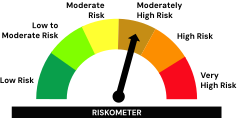
Investors understand that their principal will be at Moderately High Risk.
Risk-o-meter of Benchmark Tier I: CRISIL Hybrid 50 + 50 Moderate Index (TRI)
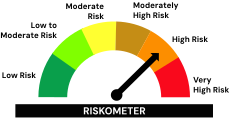
Benchmark Risk-o-meter is at High Risk.
Risk-o-meter of Benchmark Tier II:
55% CRISIL Composite Credit Risk Index +
40% CRISIL Arbitrage Index + 5% BSE 200 TRI
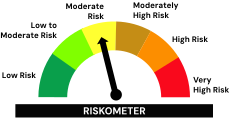
Benchmark Risk-o-meter is at Moderate Risk.
*Investors should consult their financial advisers if in doubt about whether the product is suitable for them.
Scheme Code
UNFI/O/H/DAA/25/01/0001
Minimum Investment
- Fresh Purchase (Lumpsum) Rs. 5000
- Additional Purchase Rs. 1000
- Systematic Investment Plan (SIP) Rs. 500
Load Structure
- Entry Load Nil
- Exit Load (In case of units are redeemed/switched out)
- Within 12 months from the date of allotment
- Upto 20% of units Nil
- In excess of 20% of units 1.5% of applicable NAV
- Within 12 months from the date of allotment
- Post 12 months Nil
Factsheet & Documents


Fund Managers

V N Saravanan
A Chartered Accountant with 20+ years of experience in fund management, capital market research, banking and audit. Saravanan has been associated with Unifi group since 2006. He was the Fund Manager for an open-ended CAT-III multi asset class AIF for 11 years between FY14 to FY24. Earlier in the equity research division, he was tracking Pharmaceuticals, Specialty Chemicals and Financial Services sector. Prior to Unifi, he worked in ICICI bank’s treasury & corporate mid-office group and PwC’s due diligence & assurance division.

Aejas Lakhani
12+ years of experience in fund management, equity research and governance advisory. He has done his MBA (Finance) from the Asian Institute of Management (Manila). Over the last 4 years, Aejas has been managing the consumption themed equity fund at Unifi group. He was also tracking sectors such as Pharmaceuticals, Logistics, Retail and Capital Markets. Earlier he has worked as an Analyst in the Institutional Investor Advisory Services Firm and Edelweiss Asset Management Limited.

Karthik Srinivas
A Chartered Accountant with 10+ years of experience in across functions like fund management, research, risk management & audit. Over the last 4 years, Karthik has been co-managing debt strategies at Unifi group in its PMS division. He was responsible for identifying high-yield fixed income and hybrid opportunities, evaluation and monitoring. Earlier, he was part of The Sanmar Group, working in their Founders’ Office and with Deloitte in their Risk Advisory practice.
QUARTERLY REVIEW
Quarterly Review Note from the Fund Management Team
The key to understanding Unifi DAAF's yield lies in its asset allocation
65%
Bonds + Cash
35%
Arbitrage + Special Sits
Special Sits Around – 1/3rd*
*Asset Allocation of the Scheme: Equity (0%–100%); Debt (0%–100%). The current portfolio positioning is based on prevailing market conditions and may change from time to time based on the fund manager's views, subject to the limits specified in the SID. Please refer to the SID/KIM and SAI for further details.
How does this fund navigate the economic cycle?
-
Rising Growth,
Falling InflationPriority segments:
- Short & medium-term G-Sec & AAA
- Short-term corporate bonds
- Large-cap equity
- Special situation equity
- Cash-futures arbitrage
- Medium risk
- Low risk
-
Rising Growth,
Rising InflationPriority segments:
- Short- & medium corporate bonds
- Medium-term AAA & G-Sec
- Diversified equity
- Special situation equity
- Cash-futures arbitrage
- Medium risk
- Low risk
-
Falling Growth,
Falling InflationPriority segments:
- Special situation equity
- Short-term G-Sec & AAA
- Cash-futures arbitrage
- Medium risk
- Low risk
-
Falling Growth
Rising InflationPriority segments:
- Medium term – G-Sec & AAA
- Special situation equity
- Cash-futures arbitrage
- Medium risk
- Low risk
INFLATION
Rising Growth, Falling Inflation
Priority segments:
- Short & medium-term G-Sec & AAA
- Short-term corporate bonds
- Large-cap equity
- Special situation equity
- Cash-futures arbitrage
- Medium risk
- Low risk

Rising Growth, Rising Inflation
Priority segments:
- Short- & medium corporate bonds
- Medium-term AAA & G-Sec
- Diversified equity
- Special situation equity
- Cash-futures arbitrage
- Medium risk
- Low risk
Falling Growth, Falling Inflation
Priority segments:
- Special situation equity
- Short-term G-Sec & AAA
- Cash-futures arbitrage
- Medium risk
- Low risk
Falling Growth, Rising Inflation
Priority segments:
- Medium term – G-Sec & AAA
- Special situation equity
- Cash-futures arbitrage
- Medium risk
- Low risk
GROWTH
Key Fund Principles
'Top-Down' Segment Allocation
GDP Growth and Inflation are the two key macro-economic variables that drive the economic cycle.
The fund strategically allocates to the segments that perform in the prevailing growth-inflation environment.
'Bottom-up' Asset Selection
In-depth bottom-up research may reveal tactical opportunities that generate capital gains.
These opportunities may arise from rating upgrades, fundamental events, or short-term interest rate fluctuations.
In-house due diligence
Enabling Unifi to apply equity-level due diligence standards to its debt investments.
This may include regular borrower interviews and physical inspections, providing first-hand oversight of the borrower’s financial health.
Diversified Risk
Diversification a powerful risk management tool. However, it is also returns-dilutive if done excessively.
Getting the balance right optimises the Risk-Return trade-off.
- Credit
- Interest rate
- Liquidity
- Concentration
Independent in-house underwriting establishes a rigorous evaluation standard for debt investing through our bottom-up research framework.
Our fundamental research framework enables a distinct investment approach pre & post investment, applying an equity-like methodology to debt investments for superior analysis and risk management.
Our portfolio is designed to minimize sharp swings in portfolio values due to interest rates movements. Low duration, amortising principal structure, exposure to high quality borrowers provide inherent interest rate risk mitigation.
Constant allocation to TREPs/ G-secs/highly liquid debt instruments and cash arbitrage segments to manage liquidity. Periodical cashflows from debt repayments and interest payments also provide liquidity buffer.
Regulatory limits imposed on sector and single company exposure prevents the portfolio to be concentrated.
| RTAFUNDID | Scheme Name | NAV Date | NAV Amount |
|---|---|---|---|
| ULFRG | UNIFI LIQUID FUND REGULAR GROWTH | 22-11-2026 | 1085.4063 |
| ULFDG | UNIFI LIQUID FUND DIRECT GROWTH | 22-11-2026 | 1086.4155 |
| ULFRG | UNIFI LIQUID FUND REGULAR GROWTH | 21-11-2026 | 1085.2405 |
| ULFDG | UNIFI LIQUID FUND DIRECT GROWTH | 21-11-2026 | 1086.2478 |
| DAFRG | UNIFI DYNAMIC ASSET ALLOCATION FUND REGULAR GROWTH | 20-11-2026 | 11.3537 |
| DAFDG | UNIFI DYNAMIC ASSET ALLOCATION FUND DIRECT GROWTH | 20-11-2026 | 11.4679 |
| FCFRG | UNIFI FLEXI CAP FUND REGULAR GROWTH | 20-11-2026 | 11.0433 |
| FCFDG | UNIFI FLEXI CAP FUND DIRECT GROWTH | 20-11-2026 | 11.2542 |
| ULFRG | UNIFI LIQUID FUND REGULAR GROWTH | 20-11-2026 | 1085.0748 |
| ULFDG | UNIFI LIQUID FUND DIRECT GROWTH | 20-11-2026 | 1086.0801 |
| DAFRG | UNIFI DYNAMIC ASSET ALLOCATION FUND REGULAR GROWTH | 19-11-2026 | 11.3448 |
| DAFDG | UNIFI DYNAMIC ASSET ALLOCATION FUND DIRECT GROWTH | 19-11-2026 | 11.4588 |
| FCFRG | UNIFI FLEXI CAP FUND REGULAR GROWTH | 19-11-2026 | 11.0376 |
| FCFDG | UNIFI FLEXI CAP FUND DIRECT GROWTH | 19-11-2026 | 11.2480 |
| ULFRG | UNIFI LIQUID FUND REGULAR GROWTH | 19-11-2026 | 1084.9107 |
| ULFDG | UNIFI LIQUID FUND DIRECT GROWTH | 19-11-2026 | 1085.9140 |
| DAFRG | UNIFI DYNAMIC ASSET ALLOCATION FUND REGULAR GROWTH | 18-11-2026 | 11.3438 |
| DAFDG | UNIFI DYNAMIC ASSET ALLOCATION FUND DIRECT GROWTH | 18-11-2026 | 11.4575 |
| FCFRG | UNIFI FLEXI CAP FUND REGULAR GROWTH | 18-11-2026 | 10.9810 |
| FCFDG | UNIFI FLEXI CAP FUND DIRECT GROWTH | 18-11-2026 | 11.1898 |
| ULFRG | UNIFI LIQUID FUND REGULAR GROWTH | 18-11-2026 | 1084.7458 |
| ULFDG | UNIFI LIQUID FUND DIRECT GROWTH | 18-11-2026 | 1085.7472 |
| DAFRG | UNIFI DYNAMIC ASSET ALLOCATION FUND REGULAR GROWTH | 17-11-2026 | 11.3440 |
| DAFDG | UNIFI DYNAMIC ASSET ALLOCATION FUND DIRECT GROWTH | 17-11-2026 | 11.4575 |
| FCFRG | UNIFI FLEXI CAP FUND REGULAR GROWTH | 17-11-2026 | 11.0649 |
| FCFDG | UNIFI FLEXI CAP FUND DIRECT GROWTH | 17-11-2026 | 11.2750 |
| ULFRG | UNIFI LIQUID FUND REGULAR GROWTH | 17-11-2026 | 1084.5955 |
| ULFDG | UNIFI LIQUID FUND DIRECT GROWTH | 17-11-2026 | 1085.5950 |
| DAFRG | UNIFI DYNAMIC ASSET ALLOCATION FUND REGULAR GROWTH | 16-11-2026 | 11.3447 |
| DAFDG | UNIFI DYNAMIC ASSET ALLOCATION FUND DIRECT GROWTH | 16-11-2026 | 11.4581 |
| FCFRG | UNIFI FLEXI CAP FUND REGULAR GROWTH | 16-11-2026 | 11.0252 |
| FCFDG | UNIFI FLEXI CAP FUND DIRECT GROWTH | 16-11-2026 | 11.2341 |
| ULFRG | UNIFI LIQUID FUND REGULAR GROWTH | 16-11-2026 | 1084.4476 |
| ULFDG | UNIFI LIQUID FUND DIRECT GROWTH | 16-11-2026 | 1085.4452 |
| ULFRG | UNIFI LIQUID FUND REGULAR GROWTH | 15-11-2026 | 1084.3011 |
| ULFDG | UNIFI LIQUID FUND DIRECT GROWTH | 15-11-2026 | 1085.2968 |
| ULFRG | UNIFI LIQUID FUND REGULAR GROWTH | 14-11-2026 | 1084.1366 |
| ULFDG | UNIFI LIQUID FUND DIRECT GROWTH | 14-11-2026 | 1085.1303 |
| DAFRG | UNIFI DYNAMIC ASSET ALLOCATION FUND REGULAR GROWTH | 13-11-2026 | 11.3369 |
| DAFDG | UNIFI DYNAMIC ASSET ALLOCATION FUND DIRECT GROWTH | 13-11-2026 | 11.4497 |
| FCFRG | UNIFI FLEXI CAP FUND REGULAR GROWTH | 13-11-2026 | 11.0570 |
| FCFDG | UNIFI FLEXI CAP FUND DIRECT GROWTH | 13-11-2026 | 11.2654 |
| ULFRG | UNIFI LIQUID FUND REGULAR GROWTH | 13-11-2026 | 1083.9720 |
| ULFDG | UNIFI LIQUID FUND DIRECT GROWTH | 13-11-2026 | 1084.9637 |
| DAFRG | UNIFI DYNAMIC ASSET ALLOCATION FUND REGULAR GROWTH | 12-11-2026 | 11.3418 |
| DAFDG | UNIFI DYNAMIC ASSET ALLOCATION FUND DIRECT GROWTH | 12-11-2026 | 11.4544 |
| FCFRG | UNIFI FLEXI CAP FUND REGULAR GROWTH | 12-11-2026 | 11.1290 |
| FCFDG | UNIFI FLEXI CAP FUND DIRECT GROWTH | 12-11-2026 | 11.3383 |
| ULFRG | UNIFI LIQUID FUND REGULAR GROWTH | 12-11-2026 | 1083.8128 |
| ULFDG | UNIFI LIQUID FUND DIRECT GROWTH | 12-11-2026 | 1084.8027 |
| DAFRG | UNIFI DYNAMIC ASSET ALLOCATION FUND REGULAR GROWTH | 11-11-2026 | 11.3485 |
| DAFDG | UNIFI DYNAMIC ASSET ALLOCATION FUND DIRECT GROWTH | 11-11-2026 | 11.4610 |
| FCFRG | UNIFI FLEXI CAP FUND REGULAR GROWTH | 11-11-2026 | 11.0491 |
| FCFDG | UNIFI FLEXI CAP FUND DIRECT GROWTH | 11-11-2026 | 11.2565 |
| ULFRG | UNIFI LIQUID FUND REGULAR GROWTH | 11-11-2026 | 1083.6640 |
| ULFDG | UNIFI LIQUID FUND DIRECT GROWTH | 11-11-2026 | 1084.6519 |
| ULFRG | UNIFI LIQUID FUND REGULAR GROWTH | 10-11-2026 | 1083.5381 |
| ULFDG | UNIFI LIQUID FUND DIRECT GROWTH | 10-11-2026 | 1084.5241 |
| DAFRG | UNIFI DYNAMIC ASSET ALLOCATION FUND REGULAR GROWTH | 09-11-2026 | 11.3386 |
| DAFDG | UNIFI DYNAMIC ASSET ALLOCATION FUND DIRECT GROWTH | 09-11-2026 | 11.4506 |
| FCFRG | UNIFI FLEXI CAP FUND REGULAR GROWTH | 09-11-2026 | 10.9347 |
| FCFDG | UNIFI FLEXI CAP FUND DIRECT GROWTH | 09-11-2026 | 11.1392 |
| ULFRG | UNIFI LIQUID FUND REGULAR GROWTH | 09-11-2026 | 1083.3929 |
| ULFDG | UNIFI LIQUID FUND DIRECT GROWTH | 09-11-2026 | 1084.3770 |
| ULFRG | UNIFI LIQUID FUND REGULAR GROWTH | 08-11-2026 | 1083.2472 |
| ULFDG | UNIFI LIQUID FUND DIRECT GROWTH | 08-11-2026 | 1084.2294 |
| ULFRG | UNIFI LIQUID FUND REGULAR GROWTH | 07-11-2026 | 1083.0834 |
| ULFDG | UNIFI LIQUID FUND DIRECT GROWTH | 07-11-2026 | 1084.0636 |
| DAFRG | UNIFI DYNAMIC ASSET ALLOCATION FUND REGULAR GROWTH | 06-11-2026 | 11.3364 |
| DAFDG | UNIFI DYNAMIC ASSET ALLOCATION FUND DIRECT GROWTH | 06-11-2026 | 11.4478 |
| FCFRG | UNIFI FLEXI CAP FUND REGULAR GROWTH | 06-11-2026 | 10.8890 |
| FCFDG | UNIFI FLEXI CAP FUND DIRECT GROWTH | 06-11-2026 | 11.0915 |
| ULFRG | UNIFI LIQUID FUND REGULAR GROWTH | 06-11-2026 | 1082.9196 |
| ULFDG | UNIFI LIQUID FUND DIRECT GROWTH | 06-11-2026 | 1083.8979 |
| DAFRG | UNIFI DYNAMIC ASSET ALLOCATION FUND REGULAR GROWTH | 05-11-2026 | 11.3248 |
| DAFDG | UNIFI DYNAMIC ASSET ALLOCATION FUND DIRECT GROWTH | 05-11-2026 | 11.4359 |
| FCFRG | UNIFI FLEXI CAP FUND REGULAR GROWTH | 05-11-2026 | 10.8648 |
| FCFDG | UNIFI FLEXI CAP FUND DIRECT GROWTH | 05-11-2026 | 11.0664 |
| ULFRG | UNIFI LIQUID FUND REGULAR GROWTH | 05-11-2026 | 1082.7587 |
| ULFDG | UNIFI LIQUID FUND DIRECT GROWTH | 05-11-2026 | 1083.7350 |
| DAFRG | UNIFI DYNAMIC ASSET ALLOCATION FUND REGULAR GROWTH | 04-11-2026 | 11.3149 |
| DAFDG | UNIFI DYNAMIC ASSET ALLOCATION FUND DIRECT GROWTH | 04-11-2026 | 11.4258 |
| FCFRG | UNIFI FLEXI CAP FUND REGULAR GROWTH | 04-11-2026 | 10.7716 |
| FCFDG | UNIFI FLEXI CAP FUND DIRECT GROWTH | 04-11-2026 | 10.9711 |
| ULFRG | UNIFI LIQUID FUND REGULAR GROWTH | 04-11-2026 | 1082.6064 |
| ULFDG | UNIFI LIQUID FUND DIRECT GROWTH | 04-11-2026 | 1083.5808 |
| DAFRG | UNIFI DYNAMIC ASSET ALLOCATION FUND REGULAR GROWTH | 03-11-2026 | 11.3146 |
| DAFDG | UNIFI DYNAMIC ASSET ALLOCATION FUND DIRECT GROWTH | 03-11-2026 | 11.4252 |
| FCFRG | UNIFI FLEXI CAP FUND REGULAR GROWTH | 03-11-2026 | 10.6008 |
| FCFDG | UNIFI FLEXI CAP FUND DIRECT GROWTH | 03-11-2026 | 10.7968 |
| ULFRG | UNIFI LIQUID FUND REGULAR GROWTH | 03-11-2026 | 1082.4454 |
| ULFDG | UNIFI LIQUID FUND DIRECT GROWTH | 03-11-2026 | 1083.4179 |
| DAFRG | UNIFI DYNAMIC ASSET ALLOCATION FUND REGULAR GROWTH | 02-11-2026 | 11.3041 |
| DAFDG | UNIFI DYNAMIC ASSET ALLOCATION FUND DIRECT GROWTH | 02-11-2026 | 11.4145 |
| FCFRG | UNIFI FLEXI CAP FUND REGULAR GROWTH | 02-11-2026 | 10.5179 |
| FCFDG | UNIFI FLEXI CAP FUND DIRECT GROWTH | 02-11-2026 | 10.7119 |
| ULFRG | UNIFI LIQUID FUND REGULAR GROWTH | 02-11-2026 | 1082.2920 |
| ULFDG | UNIFI LIQUID FUND DIRECT GROWTH | 02-11-2026 | 1083.2626 |
| ULFRG | UNIFI LIQUID FUND REGULAR GROWTH | 01-11-2026 | 1082.1318 |
| ULFDG | UNIFI LIQUID FUND DIRECT GROWTH | 01-11-2026 | 1083.1004 |
| ULFRG | UNIFI LIQUID FUND REGULAR GROWTH | 31-10-2026 | 1081.9638 |
| ULFDG | UNIFI LIQUID FUND DIRECT GROWTH | 31-10-2026 | 1082.9305 |
| DAFRG | UNIFI DYNAMIC ASSET ALLOCATION FUND REGULAR GROWTH | 30-10-2026 | 11.2848 |
| DAFDG | UNIFI DYNAMIC ASSET ALLOCATION FUND DIRECT GROWTH | 30-10-2026 | 11.3944 |
| FCFRG | UNIFI FLEXI CAP FUND REGULAR GROWTH | 30-10-2026 | 10.3653 |
| FCFDG | UNIFI FLEXI CAP FUND DIRECT GROWTH | 30-10-2026 | 10.5554 |
| ULFRG | UNIFI LIQUID FUND REGULAR GROWTH | 30-10-2026 | 1081.7958 |
| ULFDG | UNIFI LIQUID FUND DIRECT GROWTH | 30-10-2026 | 1082.7606 |
| DAFRG | UNIFI DYNAMIC ASSET ALLOCATION FUND REGULAR GROWTH | 29-10-2026 | 11.2751 |
| DAFDG | UNIFI DYNAMIC ASSET ALLOCATION FUND DIRECT GROWTH | 29-10-2026 | 11.3845 |
| FCFRG | UNIFI FLEXI CAP FUND REGULAR GROWTH | 29-10-2026 | 10.4778 |
| FCFDG | UNIFI FLEXI CAP FUND DIRECT GROWTH | 29-10-2026 | 10.6696 |
| ULFRG | UNIFI LIQUID FUND REGULAR GROWTH | 29-10-2026 | 1081.6310 |
| ULFDG | UNIFI LIQUID FUND DIRECT GROWTH | 29-10-2026 | 1082.5939 |
| DAFRG | UNIFI DYNAMIC ASSET ALLOCATION FUND REGULAR GROWTH | 28-10-2026 | 11.2774 |
| DAFDG | UNIFI DYNAMIC ASSET ALLOCATION FUND DIRECT GROWTH | 28-10-2026 | 11.3866 |
| FCFRG | UNIFI FLEXI CAP FUND REGULAR GROWTH | 28-10-2026 | 10.3642 |
| FCFDG | UNIFI FLEXI CAP FUND DIRECT GROWTH | 28-10-2026 | 10.5536 |
| ULFRG | UNIFI LIQUID FUND REGULAR GROWTH | 28-10-2026 | 1081.4777 |
| ULFDG | UNIFI LIQUID FUND DIRECT GROWTH | 28-10-2026 | 1082.4386 |
| DAFRG | UNIFI DYNAMIC ASSET ALLOCATION FUND REGULAR GROWTH | 27-10-2026 | 11.2739 |
| DAFDG | UNIFI DYNAMIC ASSET ALLOCATION FUND DIRECT GROWTH | 27-10-2026 | 11.3829 |
| FCFRG | UNIFI FLEXI CAP FUND REGULAR GROWTH | 27-10-2026 | 10.3234 |
| FCFDG | UNIFI FLEXI CAP FUND DIRECT GROWTH | 27-10-2026 | 10.5116 |
| ULFRG | UNIFI LIQUID FUND REGULAR GROWTH | 27-10-2026 | 1081.3395 |
| ULFDG | UNIFI LIQUID FUND DIRECT GROWTH | 27-10-2026 | 1082.2986 |
| DAFRG | UNIFI DYNAMIC ASSET ALLOCATION FUND REGULAR GROWTH | 26-10-2026 | 11.2710 |
| DAFDG | UNIFI DYNAMIC ASSET ALLOCATION FUND DIRECT GROWTH | 26-10-2026 | 11.3798 |
| FCFRG | UNIFI FLEXI CAP FUND REGULAR GROWTH | 26-10-2026 | 10.2067 |
| FCFDG | UNIFI FLEXI CAP FUND DIRECT GROWTH | 26-10-2026 | 10.3924 |
| ULFRG | UNIFI LIQUID FUND REGULAR GROWTH | 26-10-2026 | 1081.1854 |
| ULFDG | UNIFI LIQUID FUND DIRECT GROWTH | 26-10-2026 | 1082.1425 |
| ULFRG | UNIFI LIQUID FUND REGULAR GROWTH | 25-10-2026 | 1081.0158 |
| ULFDG | UNIFI LIQUID FUND DIRECT GROWTH | 25-10-2026 | 1081.9709 |
| ULFRG | UNIFI LIQUID FUND REGULAR GROWTH | 24-10-2026 | 1080.8513 |
| ULFDG | UNIFI LIQUID FUND DIRECT GROWTH | 24-10-2026 | 1081.8046 |
| DAFRG | UNIFI DYNAMIC ASSET ALLOCATION FUND REGULAR GROWTH | 23-10-2026 | 11.2765 |
| DAFDG | UNIFI DYNAMIC ASSET ALLOCATION FUND DIRECT GROWTH | 23-10-2026 | 11.3847 |
| FCFRG | UNIFI FLEXI CAP FUND REGULAR GROWTH | 23-10-2026 | 10.1685 |
| FCFDG | UNIFI FLEXI CAP FUND DIRECT GROWTH | 23-10-2026 | 10.3525 |
| ULFRG | UNIFI LIQUID FUND REGULAR GROWTH | 23-10-2026 | 1080.6869 |
| ULFDG | UNIFI LIQUID FUND DIRECT GROWTH | 23-10-2026 | 1081.6382 |
| DAFRG | UNIFI DYNAMIC ASSET ALLOCATION FUND REGULAR GROWTH | 22-10-2026 | 11.2649 |
| DAFDG | UNIFI DYNAMIC ASSET ALLOCATION FUND DIRECT GROWTH | 22-10-2026 | 11.3728 |
| FCFRG | UNIFI FLEXI CAP FUND REGULAR GROWTH | 22-10-2026 | 10.3931 |
| FCFDG | UNIFI FLEXI CAP FUND DIRECT GROWTH | 22-10-2026 | 10.5807 |
| ULFRG | UNIFI LIQUID FUND REGULAR GROWTH | 22-10-2026 | 1080.5270 |
| ULFDG | UNIFI LIQUID FUND DIRECT GROWTH | 22-10-2026 | 1081.4763 |
| DAFRG | UNIFI DYNAMIC ASSET ALLOCATION FUND REGULAR GROWTH | 21-10-2026 | 11.2774 |
| DAFDG | UNIFI DYNAMIC ASSET ALLOCATION FUND DIRECT GROWTH | 21-10-2026 | 11.3853 |
| FCFRG | UNIFI FLEXI CAP FUND REGULAR GROWTH | 21-10-2026 | 10.4009 |
| FCFDG | UNIFI FLEXI CAP FUND DIRECT GROWTH | 21-10-2026 | 10.5883 |
| ULFRG | UNIFI LIQUID FUND REGULAR GROWTH | 21-10-2026 | 1080.3800 |
| ULFDG | UNIFI LIQUID FUND DIRECT GROWTH | 21-10-2026 | 1081.3275 |
| ULFRG | UNIFI LIQUID FUND REGULAR GROWTH | 20-10-2026 | 1080.2166 |
| ULFDG | UNIFI LIQUID FUND DIRECT GROWTH | 20-10-2026 | 1081.1622 |
| DAFRG | UNIFI DYNAMIC ASSET ALLOCATION FUND REGULAR GROWTH | 19-10-2026 | 11.2698 |
| DAFDG | UNIFI DYNAMIC ASSET ALLOCATION FUND DIRECT GROWTH | 19-10-2026 | 11.3772 |
| FCFRG | UNIFI FLEXI CAP FUND REGULAR GROWTH | 19-10-2026 | 10.5542 |
| FCFDG | UNIFI FLEXI CAP FUND DIRECT GROWTH | 19-10-2026 | 10.7435 |
| ULFRG | UNIFI LIQUID FUND REGULAR GROWTH | 19-10-2026 | 1080.0685 |
| ULFDG | UNIFI LIQUID FUND DIRECT GROWTH | 19-10-2026 | 1081.0121 |
| ULFRG | UNIFI LIQUID FUND REGULAR GROWTH | 18-10-2026 | 1079.9153 |
| ULFDG | UNIFI LIQUID FUND DIRECT GROWTH | 18-10-2026 | 1080.8570 |
| ULFRG | UNIFI LIQUID FUND REGULAR GROWTH | 17-10-2026 | 1079.7520 |
| ULFDG | UNIFI LIQUID FUND DIRECT GROWTH | 17-10-2026 | 1080.6918 |
| DAFRG | UNIFI DYNAMIC ASSET ALLOCATION FUND REGULAR GROWTH | 16-10-2026 | 11.2696 |
| DAFDG | UNIFI DYNAMIC ASSET ALLOCATION FUND DIRECT GROWTH | 16-10-2026 | 11.3765 |
| FCFRG | UNIFI FLEXI CAP FUND REGULAR GROWTH | 16-10-2026 | 10.5932 |
| FCFDG | UNIFI FLEXI CAP FUND DIRECT GROWTH | 16-10-2026 | 10.7821 |
| ULFRG | UNIFI LIQUID FUND REGULAR GROWTH | 16-10-2026 | 1079.5887 |
| ULFDG | UNIFI LIQUID FUND DIRECT GROWTH | 16-10-2026 | 1080.5266 |
| DAFRG | UNIFI DYNAMIC ASSET ALLOCATION FUND REGULAR GROWTH | 15-10-2026 | 11.2656 |
| DAFDG | UNIFI DYNAMIC ASSET ALLOCATION FUND DIRECT GROWTH | 15-10-2026 | 11.3722 |
| FCFRG | UNIFI FLEXI CAP FUND REGULAR GROWTH | 15-10-2026 | 10.4946 |
| FCFDG | UNIFI FLEXI CAP FUND DIRECT GROWTH | 15-10-2026 | 10.6814 |
| ULFRG | UNIFI LIQUID FUND REGULAR GROWTH | 15-10-2026 | 1079.4275 |
| ULFDG | UNIFI LIQUID FUND DIRECT GROWTH | 15-10-2026 | 1080.3635 |
| DAFRG | UNIFI DYNAMIC ASSET ALLOCATION FUND REGULAR GROWTH | 14-10-2026 | 11.2661 |
| DAFDG | UNIFI DYNAMIC ASSET ALLOCATION FUND DIRECT GROWTH | 14-10-2026 | 11.3726 |
| FCFRG | UNIFI FLEXI CAP FUND REGULAR GROWTH | 14-10-2026 | 10.4963 |
| FCFDG | UNIFI FLEXI CAP FUND DIRECT GROWTH | 14-10-2026 | 10.6827 |
| ULFRG | UNIFI LIQUID FUND REGULAR GROWTH | 14-10-2026 | 1079.2874 |
| ULFDG | UNIFI LIQUID FUND DIRECT GROWTH | 14-10-2026 | 1080.2214 |
| DAFRG | UNIFI DYNAMIC ASSET ALLOCATION FUND REGULAR GROWTH | 13-10-2026 | 11.2627 |
| DAFDG | UNIFI DYNAMIC ASSET ALLOCATION FUND DIRECT GROWTH | 13-10-2026 | 11.3690 |
| FCFRG | UNIFI FLEXI CAP FUND REGULAR GROWTH | 13-10-2026 | 10.4265 |
| FCFDG | UNIFI FLEXI CAP FUND DIRECT GROWTH | 13-10-2026 | 10.6113 |
| ULFRG | UNIFI LIQUID FUND REGULAR GROWTH | 13-10-2026 | 1079.1388 |
| ULFDG | UNIFI LIQUID FUND DIRECT GROWTH | 13-10-2026 | 1080.0710 |
| DAFRG | UNIFI DYNAMIC ASSET ALLOCATION FUND REGULAR GROWTH | 12-10-2026 | 11.2676 |
| DAFDG | UNIFI DYNAMIC ASSET ALLOCATION FUND DIRECT GROWTH | 12-10-2026 | 11.3738 |
| FCFRG | UNIFI FLEXI CAP FUND REGULAR GROWTH | 12-10-2026 | 10.3917 |
| FCFDG | UNIFI FLEXI CAP FUND DIRECT GROWTH | 12-10-2026 | 10.5755 |
| ULFRG | UNIFI LIQUID FUND REGULAR GROWTH | 12-10-2026 | 1078.9701 |
| ULFDG | UNIFI LIQUID FUND DIRECT GROWTH | 12-10-2026 | 1079.9003 |
| ULFRG | UNIFI LIQUID FUND REGULAR GROWTH | 11-10-2026 | 1078.8339 |
| ULFDG | UNIFI LIQUID FUND DIRECT GROWTH | 11-10-2026 | 1079.7623 |
| ULFRG | UNIFI LIQUID FUND REGULAR GROWTH | 10-10-2026 | 1078.6717 |
| ULFDG | UNIFI LIQUID FUND DIRECT GROWTH | 10-10-2026 | 1079.5981 |
| DAFRG | UNIFI DYNAMIC ASSET ALLOCATION FUND REGULAR GROWTH | 09-10-2026 | 11.2610 |
| DAFDG | UNIFI DYNAMIC ASSET ALLOCATION FUND DIRECT GROWTH | 09-10-2026 | 11.3665 |
| FCFRG | UNIFI FLEXI CAP FUND REGULAR GROWTH | 09-10-2026 | 10.3289 |
| FCFDG | UNIFI FLEXI CAP FUND DIRECT GROWTH | 09-10-2026 | 10.5105 |
| ULFRG | UNIFI LIQUID FUND REGULAR GROWTH | 09-10-2026 | 1078.5095 |
| ULFDG | UNIFI LIQUID FUND DIRECT GROWTH | 09-10-2026 | 1079.4340 |
| DAFRG | UNIFI DYNAMIC ASSET ALLOCATION FUND REGULAR GROWTH | 08-10-2026 | 11.2645 |
| DAFDG | UNIFI DYNAMIC ASSET ALLOCATION FUND DIRECT GROWTH | 08-10-2026 | 11.3699 |
| FCFRG | UNIFI FLEXI CAP FUND REGULAR GROWTH | 08-10-2026 | 10.2412 |
| FCFDG | UNIFI FLEXI CAP FUND DIRECT GROWTH | 08-10-2026 | 10.4209 |
| ULFRG | UNIFI LIQUID FUND REGULAR GROWTH | 08-10-2026 | 1078.3462 |
| ULFDG | UNIFI LIQUID FUND DIRECT GROWTH | 08-10-2026 | 1079.2688 |
| DAFRG | UNIFI DYNAMIC ASSET ALLOCATION FUND REGULAR GROWTH | 07-10-2026 | 11.2645 |
| DAFDG | UNIFI DYNAMIC ASSET ALLOCATION FUND DIRECT GROWTH | 07-10-2026 | 11.3697 |
| FCFRG | UNIFI FLEXI CAP FUND REGULAR GROWTH | 07-10-2026 | 10.4525 |
| FCFDG | UNIFI FLEXI CAP FUND DIRECT GROWTH | 07-10-2026 | 10.6356 |
| ULFRG | UNIFI LIQUID FUND REGULAR GROWTH | 07-10-2026 | 1078.1976 |
| ULFDG | UNIFI LIQUID FUND DIRECT GROWTH | 07-10-2026 | 1079.1182 |
| DAFRG | UNIFI DYNAMIC ASSET ALLOCATION FUND REGULAR GROWTH | 06-10-2026 | 11.2651 |
| DAFDG | UNIFI DYNAMIC ASSET ALLOCATION FUND DIRECT GROWTH | 06-10-2026 | 11.3702 |
| FCFRG | UNIFI FLEXI CAP FUND REGULAR GROWTH | 06-10-2026 | 10.4630 |
| FCFDG | UNIFI FLEXI CAP FUND DIRECT GROWTH | 06-10-2026 | 10.6459 |
| ULFRG | UNIFI LIQUID FUND REGULAR GROWTH | 06-10-2026 | 1078.0536 |
| ULFDG | UNIFI LIQUID FUND DIRECT GROWTH | 06-10-2026 | 1078.9724 |
| DAFRG | UNIFI DYNAMIC ASSET ALLOCATION FUND REGULAR GROWTH | 05-10-2026 | 11.2568 |
| DAFDG | UNIFI DYNAMIC ASSET ALLOCATION FUND DIRECT GROWTH | 05-10-2026 | 11.3616 |
| FCFRG | UNIFI FLEXI CAP FUND REGULAR GROWTH | 05-10-2026 | 10.3474 |
| FCFDG | UNIFI FLEXI CAP FUND DIRECT GROWTH | 05-10-2026 | 10.5278 |
| ULFRG | UNIFI LIQUID FUND REGULAR GROWTH | 05-10-2026 | 1077.9169 |
| ULFDG | UNIFI LIQUID FUND DIRECT GROWTH | 05-10-2026 | 1078.8337 |
| ULFRG | UNIFI LIQUID FUND REGULAR GROWTH | 04-10-2026 | 1077.6732 |
| ULFDG | UNIFI LIQUID FUND DIRECT GROWTH | 04-10-2026 | 1078.5881 |
| ULFRG | UNIFI LIQUID FUND REGULAR GROWTH | 03-10-2026 | 1077.5203 |
| ULFDG | UNIFI LIQUID FUND DIRECT GROWTH | 03-10-2026 | 1078.4332 |
| ULFRG | UNIFI LIQUID FUND REGULAR GROWTH | 02-10-2026 | 1077.3673 |
| ULFDG | UNIFI LIQUID FUND DIRECT GROWTH | 02-10-2026 | 1078.2784 |
| DAFRG | UNIFI DYNAMIC ASSET ALLOCATION FUND REGULAR GROWTH | 01-10-2026 | 11.2412 |
| DAFDG | UNIFI DYNAMIC ASSET ALLOCATION FUND DIRECT GROWTH | 01-10-2026 | 11.3451 |
| FCFRG | UNIFI FLEXI CAP FUND REGULAR GROWTH | 01-10-2026 | 10.3039 |
| FCFDG | UNIFI FLEXI CAP FUND DIRECT GROWTH | 01-10-2026 | 10.4821 |
| ULFRG | UNIFI LIQUID FUND REGULAR GROWTH | 01-10-2026 | 1077.2144 |
| ULFDG | UNIFI LIQUID FUND DIRECT GROWTH | 01-10-2026 | 1078.1236 |
| DAFRG | UNIFI DYNAMIC ASSET ALLOCATION FUND REGULAR GROWTH | 30-09-2026 | 11.2331 |
| DAFDG | UNIFI DYNAMIC ASSET ALLOCATION FUND DIRECT GROWTH | 30-09-2026 | 11.3367 |
| FCFRG | UNIFI FLEXI CAP FUND REGULAR GROWTH | 30-09-2026 | 10.4265 |
| FCFDG | UNIFI FLEXI CAP FUND DIRECT GROWTH | 30-09-2026 | 10.6065 |
| ULFRG | UNIFI LIQUID FUND REGULAR GROWTH | 30-09-2026 | 1077.0616 |
| ULFDG | UNIFI LIQUID FUND DIRECT GROWTH | 30-09-2026 | 1077.9688 |
| DAFRG | UNIFI DYNAMIC ASSET ALLOCATION FUND REGULAR GROWTH | 29-09-2026 | 11.2149 |
| DAFDG | UNIFI DYNAMIC ASSET ALLOCATION FUND DIRECT GROWTH | 29-09-2026 | 11.3182 |
| FCFRG | UNIFI FLEXI CAP FUND REGULAR GROWTH | 29-09-2026 | 10.4569 |
| FCFDG | UNIFI FLEXI CAP FUND DIRECT GROWTH | 29-09-2026 | 10.6370 |
| ULFRG | UNIFI LIQUID FUND REGULAR GROWTH | 29-09-2026 | 1076.9186 |
| ULFDG | UNIFI LIQUID FUND DIRECT GROWTH | 29-09-2026 | 1077.8240 |
| DAFRG | UNIFI DYNAMIC ASSET ALLOCATION FUND REGULAR GROWTH | 28-09-2026 | 11.2209 |
| DAFDG | UNIFI DYNAMIC ASSET ALLOCATION FUND DIRECT GROWTH | 28-09-2026 | 11.3240 |
| FCFRG | UNIFI FLEXI CAP FUND REGULAR GROWTH | 28-09-2026 | 10.4987 |
| FCFDG | UNIFI FLEXI CAP FUND DIRECT GROWTH | 28-09-2026 | 10.6791 |
| ULFRG | UNIFI LIQUID FUND REGULAR GROWTH | 28-09-2026 | 1076.7736 |
| ULFDG | UNIFI LIQUID FUND DIRECT GROWTH | 28-09-2026 | 1077.6770 |
| ULFRG | UNIFI LIQUID FUND REGULAR GROWTH | 27-09-2026 | 1076.6355 |
| ULFDG | UNIFI LIQUID FUND DIRECT GROWTH | 27-09-2026 | 1077.5371 |
| ULFRG | UNIFI LIQUID FUND REGULAR GROWTH | 26-09-2026 | 1076.4886 |
| ULFDG | UNIFI LIQUID FUND DIRECT GROWTH | 26-09-2026 | 1077.3882 |
| DAFRG | UNIFI DYNAMIC ASSET ALLOCATION FUND REGULAR GROWTH | 25-09-2026 | 11.2235 |
| DAFDG | UNIFI DYNAMIC ASSET ALLOCATION FUND DIRECT GROWTH | 25-09-2026 | 11.3261 |
| FCFRG | UNIFI FLEXI CAP FUND REGULAR GROWTH | 25-09-2026 | 10.6709 |
| FCFDG | UNIFI FLEXI CAP FUND DIRECT GROWTH | 25-09-2026 | 10.8531 |
| ULFRG | UNIFI LIQUID FUND REGULAR GROWTH | 25-09-2026 | 1076.3416 |
| ULFDG | UNIFI LIQUID FUND DIRECT GROWTH | 25-09-2026 | 1077.2394 |
| DAFRG | UNIFI DYNAMIC ASSET ALLOCATION FUND REGULAR GROWTH | 24-09-2026 | 11.2232 |
| DAFDG | UNIFI DYNAMIC ASSET ALLOCATION FUND DIRECT GROWTH | 24-09-2026 | 11.3256 |
| FCFRG | UNIFI FLEXI CAP FUND REGULAR GROWTH | 24-09-2026 | 10.6070 |
| FCFDG | UNIFI FLEXI CAP FUND DIRECT GROWTH | 24-09-2026 | 10.7878 |
| ULFRG | UNIFI LIQUID FUND REGULAR GROWTH | 24-09-2026 | 1076.2025 |
| ULFDG | UNIFI LIQUID FUND DIRECT GROWTH | 24-09-2026 | 1077.0984 |
| DAFRG | UNIFI DYNAMIC ASSET ALLOCATION FUND REGULAR GROWTH | 23-09-2026 | 11.2336 |
| DAFDG | UNIFI DYNAMIC ASSET ALLOCATION FUND DIRECT GROWTH | 23-09-2026 | 11.3360 |
| FCFRG | UNIFI FLEXI CAP FUND REGULAR GROWTH | 23-09-2026 | 10.7256 |
| FCFDG | UNIFI FLEXI CAP FUND DIRECT GROWTH | 23-09-2026 | 10.9080 |
| ULFRG | UNIFI LIQUID FUND REGULAR GROWTH | 23-09-2026 | 1076.0617 |
| ULFDG | UNIFI LIQUID FUND DIRECT GROWTH | 23-09-2026 | 1076.9557 |
| DAFRG | UNIFI DYNAMIC ASSET ALLOCATION FUND REGULAR GROWTH | 22-09-2026 | 11.2161 |
| DAFDG | UNIFI DYNAMIC ASSET ALLOCATION FUND DIRECT GROWTH | 22-09-2026 | 11.3181 |
| FCFRG | UNIFI FLEXI CAP FUND REGULAR GROWTH | 22-09-2026 | 10.5874 |
| FCFDG | UNIFI FLEXI CAP FUND DIRECT GROWTH | 22-09-2026 | 10.7671 |
| ULFRG | UNIFI LIQUID FUND REGULAR GROWTH | 22-09-2026 | 1075.9225 |
| ULFDG | UNIFI LIQUID FUND DIRECT GROWTH | 22-09-2026 | 1076.8146 |
| DAFRG | UNIFI DYNAMIC ASSET ALLOCATION FUND REGULAR GROWTH | 21-09-2026 | 11.2195 |
| DAFDG | UNIFI DYNAMIC ASSET ALLOCATION FUND DIRECT GROWTH | 21-09-2026 | 11.3213 |
| FCFRG | UNIFI FLEXI CAP FUND REGULAR GROWTH | 21-09-2026 | 10.5822 |
| FCFDG | UNIFI FLEXI CAP FUND DIRECT GROWTH | 21-09-2026 | 10.7614 |
| ULFRG | UNIFI LIQUID FUND REGULAR GROWTH | 21-09-2026 | 1075.7784 |
| ULFDG | UNIFI LIQUID FUND DIRECT GROWTH | 21-09-2026 | 1076.6686 |
| ULFRG | UNIFI LIQUID FUND REGULAR GROWTH | 20-09-2026 | 1075.6342 |
| ULFDG | UNIFI LIQUID FUND DIRECT GROWTH | 20-09-2026 | 1076.5224 |
| ULFRG | UNIFI LIQUID FUND REGULAR GROWTH | 19-09-2026 | 1075.4863 |
| ULFDG | UNIFI LIQUID FUND DIRECT GROWTH | 19-09-2026 | 1076.3727 |
| DAFRG | UNIFI DYNAMIC ASSET ALLOCATION FUND REGULAR GROWTH | 18-09-2026 | 11.2189 |
| DAFDG | UNIFI DYNAMIC ASSET ALLOCATION FUND DIRECT GROWTH | 18-09-2026 | 11.3202 |
| FCFRG | UNIFI FLEXI CAP FUND REGULAR GROWTH | 18-09-2026 | 10.6137 |
| FCFDG | UNIFI FLEXI CAP FUND DIRECT GROWTH | 18-09-2026 | 10.7923 |
| ULFRG | UNIFI LIQUID FUND REGULAR GROWTH | 18-09-2026 | 1075.3385 |
| ULFDG | UNIFI LIQUID FUND DIRECT GROWTH | 18-09-2026 | 1076.2229 |
| DAFRG | UNIFI DYNAMIC ASSET ALLOCATION FUND REGULAR GROWTH | 17-09-2026 | 11.2017 |
| DAFDG | UNIFI DYNAMIC ASSET ALLOCATION FUND DIRECT GROWTH | 17-09-2026 | 11.3027 |
| FCFRG | UNIFI FLEXI CAP FUND REGULAR GROWTH | 17-09-2026 | 10.4734 |
| FCFDG | UNIFI FLEXI CAP FUND DIRECT GROWTH | 17-09-2026 | 10.6492 |
| ULFRG | UNIFI LIQUID FUND REGULAR GROWTH | 17-09-2026 | 1075.1866 |
| ULFDG | UNIFI LIQUID FUND DIRECT GROWTH | 17-09-2026 | 1076.0692 |
| DAFRG | UNIFI DYNAMIC ASSET ALLOCATION FUND REGULAR GROWTH | 16-09-2026 | 11.1991 |
| DAFDG | UNIFI DYNAMIC ASSET ALLOCATION FUND DIRECT GROWTH | 16-09-2026 | 11.2999 |
| FCFRG | UNIFI FLEXI CAP FUND REGULAR GROWTH | 16-09-2026 | 10.4171 |
| FCFDG | UNIFI FLEXI CAP FUND DIRECT GROWTH | 16-09-2026 | 10.5917 |
| ULFRG | UNIFI LIQUID FUND REGULAR GROWTH | 16-09-2026 | 1075.0564 |
| ULFDG | UNIFI LIQUID FUND DIRECT GROWTH | 16-09-2026 | 1075.9371 |
| DAFRG | UNIFI DYNAMIC ASSET ALLOCATION FUND REGULAR GROWTH | 15-09-2026 | 11.1922 |
| DAFDG | UNIFI DYNAMIC ASSET ALLOCATION FUND DIRECT GROWTH | 15-09-2026 | 11.2927 |
| FCFRG | UNIFI FLEXI CAP FUND REGULAR GROWTH | 15-09-2026 | 10.3624 |
| FCFDG | UNIFI FLEXI CAP FUND DIRECT GROWTH | 15-09-2026 | 10.5357 |
| ULFRG | UNIFI LIQUID FUND REGULAR GROWTH | 15-09-2026 | 1074.9278 |
| ULFDG | UNIFI LIQUID FUND DIRECT GROWTH | 15-09-2026 | 1075.8067 |
| ULFRG | UNIFI LIQUID FUND REGULAR GROWTH | 14-09-2026 | 1074.8031 |
| ULFDG | UNIFI LIQUID FUND DIRECT GROWTH | 14-09-2026 | 1075.6800 |
| ULFRG | UNIFI LIQUID FUND REGULAR GROWTH | 13-09-2026 | 1074.6741 |
| ULFDG | UNIFI LIQUID FUND DIRECT GROWTH | 13-09-2026 | 1075.5492 |
| ULFRG | UNIFI LIQUID FUND REGULAR GROWTH | 12-09-2026 | 1074.5452 |
| ULFDG | UNIFI LIQUID FUND DIRECT GROWTH | 12-09-2026 | 1075.4184 |
| DAFRG | UNIFI DYNAMIC ASSET ALLOCATION FUND REGULAR GROWTH | 11-09-2026 | 11.1961 |
| DAFDG | UNIFI DYNAMIC ASSET ALLOCATION FUND DIRECT GROWTH | 11-09-2026 | 11.2960 |
| FCFRG | UNIFI FLEXI CAP FUND REGULAR GROWTH | 11-09-2026 | 10.6006 |
| FCFDG | UNIFI FLEXI CAP FUND DIRECT GROWTH | 11-09-2026 | 10.7763 |
| ULFRG | UNIFI LIQUID FUND REGULAR GROWTH | 11-09-2026 | 1074.4163 |
| ULFDG | UNIFI LIQUID FUND DIRECT GROWTH | 11-09-2026 | 1075.2876 |
| DAFRG | UNIFI DYNAMIC ASSET ALLOCATION FUND REGULAR GROWTH | 10-09-2026 | 11.2117 |
| DAFDG | UNIFI DYNAMIC ASSET ALLOCATION FUND DIRECT GROWTH | 10-09-2026 | 11.3115 |
| FCFRG | UNIFI FLEXI CAP FUND REGULAR GROWTH | 10-09-2026 | 10.6855 |
| FCFDG | UNIFI FLEXI CAP FUND DIRECT GROWTH | 10-09-2026 | 10.8623 |
| ULFRG | UNIFI LIQUID FUND REGULAR GROWTH | 10-09-2026 | 1074.2775 |
| ULFDG | UNIFI LIQUID FUND DIRECT GROWTH | 10-09-2026 | 1075.1469 |
| DAFRG | UNIFI DYNAMIC ASSET ALLOCATION FUND REGULAR GROWTH | 09-09-2026 | 11.2027 |
| DAFDG | UNIFI DYNAMIC ASSET ALLOCATION FUND DIRECT GROWTH | 09-09-2026 | 11.3022 |
| FCFRG | UNIFI FLEXI CAP FUND REGULAR GROWTH | 09-09-2026 | 10.7083 |
| FCFDG | UNIFI FLEXI CAP FUND DIRECT GROWTH | 09-09-2026 | 10.8851 |
| ULFRG | UNIFI LIQUID FUND REGULAR GROWTH | 09-09-2026 | 1074.1457 |
| ULFDG | UNIFI LIQUID FUND DIRECT GROWTH | 09-09-2026 | 1075.0132 |
| DAFRG | UNIFI DYNAMIC ASSET ALLOCATION FUND REGULAR GROWTH | 08-09-2026 | 11.2037 |
| DAFDG | UNIFI DYNAMIC ASSET ALLOCATION FUND DIRECT GROWTH | 08-09-2026 | 11.3030 |
| FCFRG | UNIFI FLEXI CAP FUND REGULAR GROWTH | 08-09-2026 | 10.7493 |
| FCFDG | UNIFI FLEXI CAP FUND DIRECT GROWTH | 08-09-2026 | 10.9263 |
| ULFRG | UNIFI LIQUID FUND REGULAR GROWTH | 08-09-2026 | 1074.0060 |
| ULFDG | UNIFI LIQUID FUND DIRECT GROWTH | 08-09-2026 | 1074.8717 |
| DAFRG | UNIFI DYNAMIC ASSET ALLOCATION FUND REGULAR GROWTH | 07-09-2026 | 11.1981 |
| DAFDG | UNIFI DYNAMIC ASSET ALLOCATION FUND DIRECT GROWTH | 07-09-2026 | 11.2972 |
| FCFRG | UNIFI FLEXI CAP FUND REGULAR GROWTH | 07-09-2026 | 10.7217 |
| FCFDG | UNIFI FLEXI CAP FUND DIRECT GROWTH | 07-09-2026 | 10.8979 |
| ULFRG | UNIFI LIQUID FUND REGULAR GROWTH | 07-09-2026 | 1073.8781 |
| ULFDG | UNIFI LIQUID FUND DIRECT GROWTH | 07-09-2026 | 1074.7419 |
| ULFRG | UNIFI LIQUID FUND REGULAR GROWTH | 06-09-2026 | 1073.7486 |
| ULFDG | UNIFI LIQUID FUND DIRECT GROWTH | 06-09-2026 | 1074.6105 |
| ULFRG | UNIFI LIQUID FUND REGULAR GROWTH | 05-09-2026 | 1073.6126 |
| ULFDG | UNIFI LIQUID FUND DIRECT GROWTH | 05-09-2026 | 1074.4726 |
| DAFRG | UNIFI DYNAMIC ASSET ALLOCATION FUND REGULAR GROWTH | 04-09-2026 | 11.1831 |
| DAFDG | UNIFI DYNAMIC ASSET ALLOCATION FUND DIRECT GROWTH | 04-09-2026 | 11.2815 |
| FCFRG | UNIFI FLEXI CAP FUND REGULAR GROWTH | 04-09-2026 | 10.6968 |
| FCFDG | UNIFI FLEXI CAP FUND DIRECT GROWTH | 04-09-2026 | 10.8714 |
| ULFRG | UNIFI LIQUID FUND REGULAR GROWTH | 04-09-2026 | 1073.4766 |
| ULFDG | UNIFI LIQUID FUND DIRECT GROWTH | 04-09-2026 | 1074.3347 |
| DAFRG | UNIFI DYNAMIC ASSET ALLOCATION FUND REGULAR GROWTH | 03-09-2026 | 11.1802 |
| DAFDG | UNIFI DYNAMIC ASSET ALLOCATION FUND DIRECT GROWTH | 03-09-2026 | 11.2784 |
| FCFRG | UNIFI FLEXI CAP FUND REGULAR GROWTH | 03-09-2026 | 10.6880 |
| FCFDG | UNIFI FLEXI CAP FUND DIRECT GROWTH | 03-09-2026 | 10.8621 |
| ULFRG | UNIFI LIQUID FUND REGULAR GROWTH | 03-09-2026 | 1073.2911 |
| ULFDG | UNIFI LIQUID FUND DIRECT GROWTH | 03-09-2026 | 1074.1474 |
| DAFRG | UNIFI DYNAMIC ASSET ALLOCATION FUND REGULAR GROWTH | 02-09-2026 | 11.1752 |
| DAFDG | UNIFI DYNAMIC ASSET ALLOCATION FUND DIRECT GROWTH | 02-09-2026 | 11.2732 |
| FCFRG | UNIFI FLEXI CAP FUND REGULAR GROWTH | 02-09-2026 | 10.6442 |
| FCFDG | UNIFI FLEXI CAP FUND DIRECT GROWTH | 02-09-2026 | 10.8172 |
| ULFRG | UNIFI LIQUID FUND REGULAR GROWTH | 02-09-2026 | 1073.1873 |
| ULFDG | UNIFI LIQUID FUND DIRECT GROWTH | 02-09-2026 | 1074.0416 |
| DAFRG | UNIFI DYNAMIC ASSET ALLOCATION FUND REGULAR GROWTH | 01-09-2026 | 11.1823 |
| DAFDG | UNIFI DYNAMIC ASSET ALLOCATION FUND DIRECT GROWTH | 01-09-2026 | 11.2802 |
| FCFRG | UNIFI FLEXI CAP FUND REGULAR GROWTH | 01-09-2026 | 10.6764 |
| FCFDG | UNIFI FLEXI CAP FUND DIRECT GROWTH | 01-09-2026 | 10.8495 |
| ULFRG | UNIFI LIQUID FUND REGULAR GROWTH | 01-09-2026 | 1073.0157 |
| ULFDG | UNIFI LIQUID FUND DIRECT GROWTH | 01-09-2026 | 1073.8681 |
| DAFRG | UNIFI DYNAMIC ASSET ALLOCATION FUND REGULAR GROWTH | 31-08-2026 | 11.1561 |
| DAFDG | UNIFI DYNAMIC ASSET ALLOCATION FUND DIRECT GROWTH | 31-08-2026 | 11.2536 |
| FCFRG | UNIFI FLEXI CAP FUND REGULAR GROWTH | 31-08-2026 | 10.6812 |
| FCFDG | UNIFI FLEXI CAP FUND DIRECT GROWTH | 31-08-2026 | 10.8540 |
| ULFRG | UNIFI LIQUID FUND REGULAR GROWTH | 31-08-2026 | 1072.8477 |
| ULFDG | UNIFI LIQUID FUND DIRECT GROWTH | 31-08-2026 | 1073.6983 |
| ULFRG | UNIFI LIQUID FUND REGULAR GROWTH | 30-08-2026 | 1072.6963 |
| ULFDG | UNIFI LIQUID FUND DIRECT GROWTH | 30-08-2026 | 1073.5450 |
| ULFRG | UNIFI LIQUID FUND REGULAR GROWTH | 29-08-2026 | 1072.5500 |
| ULFDG | UNIFI LIQUID FUND DIRECT GROWTH | 29-08-2026 | 1073.3968 |
| DAFRG | UNIFI DYNAMIC ASSET ALLOCATION FUND REGULAR GROWTH | 28-08-2026 | 11.1586 |
| DAFDG | UNIFI DYNAMIC ASSET ALLOCATION FUND DIRECT GROWTH | 28-08-2026 | 11.2556 |
| FCFRG | UNIFI FLEXI CAP FUND REGULAR GROWTH | 28-08-2026 | 10.7218 |
| FCFDG | UNIFI FLEXI CAP FUND DIRECT GROWTH | 28-08-2026 | 10.8941 |
| ULFRG | UNIFI LIQUID FUND REGULAR GROWTH | 28-08-2026 | 1072.4036 |
| ULFDG | UNIFI LIQUID FUND DIRECT GROWTH | 28-08-2026 | 1073.2485 |
| DAFRG | UNIFI DYNAMIC ASSET ALLOCATION FUND REGULAR GROWTH | 27-08-2026 | 11.1486 |
| DAFDG | UNIFI DYNAMIC ASSET ALLOCATION FUND DIRECT GROWTH | 27-08-2026 | 11.2453 |
| FCFRG | UNIFI FLEXI CAP FUND REGULAR GROWTH | 27-08-2026 | 10.6436 |
| FCFDG | UNIFI FLEXI CAP FUND DIRECT GROWTH | 27-08-2026 | 10.8142 |
| ULFRG | UNIFI LIQUID FUND REGULAR GROWTH | 27-08-2026 | 1072.2532 |
| ULFDG | UNIFI LIQUID FUND DIRECT GROWTH | 27-08-2026 | 1073.0962 |
| DAFRG | UNIFI DYNAMIC ASSET ALLOCATION FUND REGULAR GROWTH | 26-08-2026 | 11.1411 |
| DAFDG | UNIFI DYNAMIC ASSET ALLOCATION FUND DIRECT GROWTH | 26-08-2026 | 11.2375 |
| FCFRG | UNIFI FLEXI CAP FUND REGULAR GROWTH | 26-08-2026 | 10.6757 |
| FCFDG | UNIFI FLEXI CAP FUND DIRECT GROWTH | 26-08-2026 | 10.8465 |
| ULFRG | UNIFI LIQUID FUND REGULAR GROWTH | 26-08-2026 | 1072.0984 |
| ULFDG | UNIFI LIQUID FUND DIRECT GROWTH | 26-08-2026 | 1072.9395 |
| DAFRG | UNIFI DYNAMIC ASSET ALLOCATION FUND REGULAR GROWTH | 25-08-2026 | 11.1532 |
| DAFDG | UNIFI DYNAMIC ASSET ALLOCATION FUND DIRECT GROWTH | 25-08-2026 | 11.2496 |
| FCFRG | UNIFI FLEXI CAP FUND REGULAR GROWTH | 25-08-2026 | 10.6541 |
| FCFDG | UNIFI FLEXI CAP FUND DIRECT GROWTH | 25-08-2026 | 10.8242 |
| ULFRG | UNIFI LIQUID FUND REGULAR GROWTH | 25-08-2026 | 1071.9489 |
| ULFDG | UNIFI LIQUID FUND DIRECT GROWTH | 25-08-2026 | 1072.7882 |
| DAFRG | UNIFI DYNAMIC ASSET ALLOCATION FUND REGULAR GROWTH | 24-08-2026 | 11.1513 |
| DAFDG | UNIFI DYNAMIC ASSET ALLOCATION FUND DIRECT GROWTH | 24-08-2026 | 11.2475 |
| FCFRG | UNIFI FLEXI CAP FUND REGULAR GROWTH | 24-08-2026 | 10.6320 |
| FCFDG | UNIFI FLEXI CAP FUND DIRECT GROWTH | 24-08-2026 | 10.8013 |
| ULFRG | UNIFI LIQUID FUND REGULAR GROWTH | 24-08-2026 | 1071.7915 |
| ULFDG | UNIFI LIQUID FUND DIRECT GROWTH | 24-08-2026 | 1072.6288 |
| ULFRG | UNIFI LIQUID FUND REGULAR GROWTH | 23-08-2026 | 1071.6437 |
| ULFDG | UNIFI LIQUID FUND DIRECT GROWTH | 23-08-2026 | 1072.4792 |
| ULFRG | UNIFI LIQUID FUND REGULAR GROWTH | 22-08-2026 | 1071.4981 |
| ULFDG | UNIFI LIQUID FUND DIRECT GROWTH | 22-08-2026 | 1072.3317 |
| DAFRG | UNIFI DYNAMIC ASSET ALLOCATION FUND REGULAR GROWTH | 21-08-2026 | 11.1393 |
| DAFDG | UNIFI DYNAMIC ASSET ALLOCATION FUND DIRECT GROWTH | 21-08-2026 | 11.2348 |
| FCFRG | UNIFI FLEXI CAP FUND REGULAR GROWTH | 21-08-2026 | 10.6454 |
| FCFDG | UNIFI FLEXI CAP FUND DIRECT GROWTH | 21-08-2026 | 10.8138 |
| ULFRG | UNIFI LIQUID FUND REGULAR GROWTH | 21-08-2026 | 1071.3525 |
| ULFDG | UNIFI LIQUID FUND DIRECT GROWTH | 21-08-2026 | 1072.1842 |
| DAFRG | UNIFI DYNAMIC ASSET ALLOCATION FUND REGULAR GROWTH | 20-08-2026 | 11.1340 |
| DAFDG | UNIFI DYNAMIC ASSET ALLOCATION FUND DIRECT GROWTH | 20-08-2026 | 11.2293 |
| FCFRG | UNIFI FLEXI CAP FUND REGULAR GROWTH | 20-08-2026 | 10.6615 |
| FCFDG | UNIFI FLEXI CAP FUND DIRECT GROWTH | 20-08-2026 | 10.8298 |
| ULFRG | UNIFI LIQUID FUND REGULAR GROWTH | 20-08-2026 | 1071.2022 |
| ULFDG | UNIFI LIQUID FUND DIRECT GROWTH | 20-08-2026 | 1072.0320 |
| DAFRG | UNIFI DYNAMIC ASSET ALLOCATION FUND REGULAR GROWTH | 19-08-2026 | 11.1411 |
| DAFDG | UNIFI DYNAMIC ASSET ALLOCATION FUND DIRECT GROWTH | 19-08-2026 | 11.2362 |
| FCFRG | UNIFI FLEXI CAP FUND REGULAR GROWTH | 19-08-2026 | 10.6140 |
| FCFDG | UNIFI FLEXI CAP FUND DIRECT GROWTH | 19-08-2026 | 10.7812 |
| ULFRG | UNIFI LIQUID FUND REGULAR GROWTH | 19-08-2026 | 1071.0547 |
| ULFDG | UNIFI LIQUID FUND DIRECT GROWTH | 19-08-2026 | 1071.8826 |
| DAFRG | UNIFI DYNAMIC ASSET ALLOCATION FUND REGULAR GROWTH | 18-08-2026 | 11.1242 |
| DAFDG | UNIFI DYNAMIC ASSET ALLOCATION FUND DIRECT GROWTH | 18-08-2026 | 11.2190 |
| FCFRG | UNIFI FLEXI CAP FUND REGULAR GROWTH | 18-08-2026 | 10.6430 |
| FCFDG | UNIFI FLEXI CAP FUND DIRECT GROWTH | 18-08-2026 | 10.8103 |
| ULFRG | UNIFI LIQUID FUND REGULAR GROWTH | 18-08-2026 | 1070.9051 |
| ULFDG | UNIFI LIQUID FUND DIRECT GROWTH | 18-08-2026 | 1071.7312 |
| DAFRG | UNIFI DYNAMIC ASSET ALLOCATION FUND REGULAR GROWTH | 17-08-2026 | 11.1195 |
| DAFDG | UNIFI DYNAMIC ASSET ALLOCATION FUND DIRECT GROWTH | 17-08-2026 | 11.2141 |
| FCFRG | UNIFI FLEXI CAP FUND REGULAR GROWTH | 17-08-2026 | 10.6492 |
| FCFDG | UNIFI FLEXI CAP FUND DIRECT GROWTH | 17-08-2026 | 10.8161 |
| ULFRG | UNIFI LIQUID FUND REGULAR GROWTH | 17-08-2026 | 1070.7639 |
| ULFDG | UNIFI LIQUID FUND DIRECT GROWTH | 17-08-2026 | 1071.5880 |
| ULFRG | UNIFI LIQUID FUND REGULAR GROWTH | 16-08-2026 | 1070.6145 |
| ULFDG | UNIFI LIQUID FUND DIRECT GROWTH | 16-08-2026 | 1071.4368 |
| ULFRG | UNIFI LIQUID FUND REGULAR GROWTH | 15-08-2026 | 1070.4641 |
| ULFDG | UNIFI LIQUID FUND DIRECT GROWTH | 15-08-2026 | 1071.2845 |
| DAFRG | UNIFI DYNAMIC ASSET ALLOCATION FUND REGULAR GROWTH | 14-08-2026 | 11.1201 |
| DAFDG | UNIFI DYNAMIC ASSET ALLOCATION FUND DIRECT GROWTH | 14-08-2026 | 11.2142 |
| FCFRG | UNIFI FLEXI CAP FUND REGULAR GROWTH | 14-08-2026 | 10.6641 |
| FCFDG | UNIFI FLEXI CAP FUND DIRECT GROWTH | 14-08-2026 | 10.8301 |
| ULFRG | UNIFI LIQUID FUND REGULAR GROWTH | 14-08-2026 | 1070.3137 |
| ULFDG | UNIFI LIQUID FUND DIRECT GROWTH | 14-08-2026 | 1071.1323 |
| DAFRG | UNIFI DYNAMIC ASSET ALLOCATION FUND REGULAR GROWTH | 13-08-2026 | 11.1222 |
| DAFDG | UNIFI DYNAMIC ASSET ALLOCATION FUND DIRECT GROWTH | 13-08-2026 | 11.2161 |
| FCFRG | UNIFI FLEXI CAP FUND REGULAR GROWTH | 13-08-2026 | 10.6480 |
| FCFDG | UNIFI FLEXI CAP FUND DIRECT GROWTH | 13-08-2026 | 10.8134 |
| ULFRG | UNIFI LIQUID FUND REGULAR GROWTH | 13-08-2026 | 1070.1630 |
| ULFDG | UNIFI LIQUID FUND DIRECT GROWTH | 13-08-2026 | 1070.9796 |
| DAFRG | UNIFI DYNAMIC ASSET ALLOCATION FUND REGULAR GROWTH | 12-08-2026 | 11.1154 |
| DAFDG | UNIFI DYNAMIC ASSET ALLOCATION FUND DIRECT GROWTH | 12-08-2026 | 11.2091 |
| FCFRG | UNIFI FLEXI CAP FUND REGULAR GROWTH | 12-08-2026 | 10.6378 |
| FCFDG | UNIFI FLEXI CAP FUND DIRECT GROWTH | 12-08-2026 | 10.8027 |
| ULFRG | UNIFI LIQUID FUND REGULAR GROWTH | 12-08-2026 | 1069.9917 |
| ULFDG | UNIFI LIQUID FUND DIRECT GROWTH | 12-08-2026 | 1070.8065 |
| DAFRG | UNIFI DYNAMIC ASSET ALLOCATION FUND REGULAR GROWTH | 11-08-2026 | 11.1083 |
| DAFDG | UNIFI DYNAMIC ASSET ALLOCATION FUND DIRECT GROWTH | 11-08-2026 | 11.2018 |
| FCFRG | UNIFI FLEXI CAP FUND REGULAR GROWTH | 11-08-2026 | 10.6116 |
| FCFDG | UNIFI FLEXI CAP FUND DIRECT GROWTH | 11-08-2026 | 10.7757 |
| ULFRG | UNIFI LIQUID FUND REGULAR GROWTH | 11-08-2026 | 1069.8597 |
| ULFDG | UNIFI LIQUID FUND DIRECT GROWTH | 11-08-2026 | 1070.6726 |
| DAFRG | UNIFI DYNAMIC ASSET ALLOCATION FUND REGULAR GROWTH | 10-08-2026 | 11.1128 |
| DAFDG | UNIFI DYNAMIC ASSET ALLOCATION FUND DIRECT GROWTH | 10-08-2026 | 11.2061 |
| FCFRG | UNIFI FLEXI CAP FUND REGULAR GROWTH | 10-08-2026 | 10.6440 |
| FCFDG | UNIFI FLEXI CAP FUND DIRECT GROWTH | 10-08-2026 | 10.8082 |
| ULFRG | UNIFI LIQUID FUND REGULAR GROWTH | 10-08-2026 | 1069.7037 |
| ULFDG | UNIFI LIQUID FUND DIRECT GROWTH | 10-08-2026 | 1070.5147 |
| ULFRG | UNIFI LIQUID FUND REGULAR GROWTH | 09-08-2026 | 1069.5535 |
| ULFDG | UNIFI LIQUID FUND DIRECT GROWTH | 09-08-2026 | 1070.3627 |
| ULFRG | UNIFI LIQUID FUND REGULAR GROWTH | 08-08-2026 | 1069.3991 |
| ULFDG | UNIFI LIQUID FUND DIRECT GROWTH | 08-08-2026 | 1070.2063 |
| DAFRG | UNIFI DYNAMIC ASSET ALLOCATION FUND REGULAR GROWTH | 07-08-2026 | 11.1036 |
| DAFDG | UNIFI DYNAMIC ASSET ALLOCATION FUND DIRECT GROWTH | 07-08-2026 | 11.1962 |
| FCFRG | UNIFI FLEXI CAP FUND REGULAR GROWTH | 07-08-2026 | 10.6226 |
| FCFDG | UNIFI FLEXI CAP FUND DIRECT GROWTH | 07-08-2026 | 10.7853 |
| ULFRG | UNIFI LIQUID FUND REGULAR GROWTH | 07-08-2026 | 1069.2446 |
| ULFDG | UNIFI LIQUID FUND DIRECT GROWTH | 07-08-2026 | 1070.0500 |
| DAFRG | UNIFI DYNAMIC ASSET ALLOCATION FUND REGULAR GROWTH | 06-08-2026 | 11.0979 |
| DAFDG | UNIFI DYNAMIC ASSET ALLOCATION FUND DIRECT GROWTH | 06-08-2026 | 11.1903 |
| FCFRG | UNIFI FLEXI CAP FUND REGULAR GROWTH | 06-08-2026 | 10.6238 |
| FCFDG | UNIFI FLEXI CAP FUND DIRECT GROWTH | 06-08-2026 | 10.7861 |
| ULFRG | UNIFI LIQUID FUND REGULAR GROWTH | 06-08-2026 | 1069.0944 |
| ULFDG | UNIFI LIQUID FUND DIRECT GROWTH | 06-08-2026 | 1069.8979 |
| DAFRG | UNIFI DYNAMIC ASSET ALLOCATION FUND REGULAR GROWTH | 05-08-2026 | 11.1056 |
| DAFDG | UNIFI DYNAMIC ASSET ALLOCATION FUND DIRECT GROWTH | 05-08-2026 | 11.1979 |
| FCFRG | UNIFI FLEXI CAP FUND REGULAR GROWTH | 05-08-2026 | 10.5953 |
| FCFDG | UNIFI FLEXI CAP FUND DIRECT GROWTH | 05-08-2026 | 10.7568 |
| ULFRG | UNIFI LIQUID FUND REGULAR GROWTH | 05-08-2026 | 1068.9258 |
| ULFDG | UNIFI LIQUID FUND DIRECT GROWTH | 05-08-2026 | 1069.7274 |
| DAFRG | UNIFI DYNAMIC ASSET ALLOCATION FUND REGULAR GROWTH | 04-08-2026 | 11.1119 |
| DAFDG | UNIFI DYNAMIC ASSET ALLOCATION FUND DIRECT GROWTH | 04-08-2026 | 11.2041 |
| FCFRG | UNIFI FLEXI CAP FUND REGULAR GROWTH | 04-08-2026 | 10.5657 |
| FCFDG | UNIFI FLEXI CAP FUND DIRECT GROWTH | 04-08-2026 | 10.7264 |
| ULFRG | UNIFI LIQUID FUND REGULAR GROWTH | 04-08-2026 | 1068.7323 |
| ULFDG | UNIFI LIQUID FUND DIRECT GROWTH | 04-08-2026 | 1069.5319 |
| DAFRG | UNIFI DYNAMIC ASSET ALLOCATION FUND REGULAR GROWTH | 03-08-2026 | 11.1117 |
| DAFDG | UNIFI DYNAMIC ASSET ALLOCATION FUND DIRECT GROWTH | 03-08-2026 | 11.2038 |
| FCFRG | UNIFI FLEXI CAP FUND REGULAR GROWTH | 03-08-2026 | 10.5708 |
| FCFDG | UNIFI FLEXI CAP FUND DIRECT GROWTH | 03-08-2026 | 10.7312 |
| ULFRG | UNIFI LIQUID FUND REGULAR GROWTH | 03-08-2026 | 1068.5698 |
| ULFDG | UNIFI LIQUID FUND DIRECT GROWTH | 03-08-2026 | 1069.3676 |
| ULFRG | UNIFI LIQUID FUND REGULAR GROWTH | 02-08-2026 | 1068.3824 |
| ULFDG | UNIFI LIQUID FUND DIRECT GROWTH | 02-08-2026 | 1069.1783 |
| ULFRG | UNIFI LIQUID FUND REGULAR GROWTH | 01-08-2026 | 1068.2210 |
| ULFDG | UNIFI LIQUID FUND DIRECT GROWTH | 01-08-2026 | 1069.0150 |
| DAFRG | UNIFI DYNAMIC ASSET ALLOCATION FUND REGULAR GROWTH | 31-07-2026 | 11.0816 |
| DAFDG | UNIFI DYNAMIC ASSET ALLOCATION FUND DIRECT GROWTH | 31-07-2026 | 11.1728 |
| FCFRG | UNIFI FLEXI CAP FUND REGULAR GROWTH | 31-07-2026 | 10.4770 |
| FCFDG | UNIFI FLEXI CAP FUND DIRECT GROWTH | 31-07-2026 | 10.6348 |
| ULFRG | UNIFI LIQUID FUND REGULAR GROWTH | 31-07-2026 | 1068.0598 |
| ULFDG | UNIFI LIQUID FUND DIRECT GROWTH | 31-07-2026 | 1068.8519 |
| DAFRG | UNIFI DYNAMIC ASSET ALLOCATION FUND REGULAR GROWTH | 30-07-2026 | 11.0819 |
| DAFDG | UNIFI DYNAMIC ASSET ALLOCATION FUND DIRECT GROWTH | 30-07-2026 | 11.1730 |
| FCFRG | UNIFI FLEXI CAP FUND REGULAR GROWTH | 30-07-2026 | 10.4164 |
| FCFDG | UNIFI FLEXI CAP FUND DIRECT GROWTH | 30-07-2026 | 10.5730 |
| ULFRG | UNIFI LIQUID FUND REGULAR GROWTH | 30-07-2026 | 1067.8361 |
| ULFDG | UNIFI LIQUID FUND DIRECT GROWTH | 30-07-2026 | 1068.6263 |
| DAFRG | UNIFI DYNAMIC ASSET ALLOCATION FUND REGULAR GROWTH | 29-07-2026 | 11.0686 |
| DAFDG | UNIFI DYNAMIC ASSET ALLOCATION FUND DIRECT GROWTH | 29-07-2026 | 11.1594 |
| FCFRG | UNIFI FLEXI CAP FUND REGULAR GROWTH | 29-07-2026 | 10.4353 |
| FCFDG | UNIFI FLEXI CAP FUND DIRECT GROWTH | 29-07-2026 | 10.5918 |
| ULFRG | UNIFI LIQUID FUND REGULAR GROWTH | 29-07-2026 | 1067.6758 |
| ULFDG | UNIFI LIQUID FUND DIRECT GROWTH | 29-07-2026 | 1068.4641 |
| DAFRG | UNIFI DYNAMIC ASSET ALLOCATION FUND REGULAR GROWTH | 28-07-2026 | 11.0656 |
| DAFDG | UNIFI DYNAMIC ASSET ALLOCATION FUND DIRECT GROWTH | 28-07-2026 | 11.1562 |
| FCFRG | UNIFI FLEXI CAP FUND REGULAR GROWTH | 28-07-2026 | 10.3520 |
| FCFDG | UNIFI FLEXI CAP FUND DIRECT GROWTH | 28-07-2026 | 10.5069 |
| ULFRG | UNIFI LIQUID FUND REGULAR GROWTH | 28-07-2026 | 1067.4936 |
| ULFDG | UNIFI LIQUID FUND DIRECT GROWTH | 28-07-2026 | 1068.2800 |
| DAFRG | UNIFI DYNAMIC ASSET ALLOCATION FUND REGULAR GROWTH | 27-07-2026 | 11.0623 |
| DAFDG | UNIFI DYNAMIC ASSET ALLOCATION FUND DIRECT GROWTH | 27-07-2026 | 11.1526 |
| FCFRG | UNIFI FLEXI CAP FUND REGULAR GROWTH | 27-07-2026 | 10.3994 |
| FCFDG | UNIFI FLEXI CAP FUND DIRECT GROWTH | 27-07-2026 | 10.5546 |
| ULFRG | UNIFI LIQUID FUND REGULAR GROWTH | 27-07-2026 | 1067.3620 |
| ULFDG | UNIFI LIQUID FUND DIRECT GROWTH | 27-07-2026 | 1068.1466 |
| ULFRG | UNIFI LIQUID FUND REGULAR GROWTH | 26-07-2026 | 1067.2198 |
| ULFDG | UNIFI LIQUID FUND DIRECT GROWTH | 26-07-2026 | 1068.0025 |
| ULFRG | UNIFI LIQUID FUND REGULAR GROWTH | 25-07-2026 | 1067.0573 |
| ULFDG | UNIFI LIQUID FUND DIRECT GROWTH | 25-07-2026 | 1067.8381 |
| DAFRG | UNIFI DYNAMIC ASSET ALLOCATION FUND REGULAR GROWTH | 24-07-2026 | 11.0542 |
| DAFDG | UNIFI DYNAMIC ASSET ALLOCATION FUND DIRECT GROWTH | 24-07-2026 | 11.1439 |
| FCFRG | UNIFI FLEXI CAP FUND REGULAR GROWTH | 24-07-2026 | 10.2758 |
| FCFDG | UNIFI FLEXI CAP FUND DIRECT GROWTH | 24-07-2026 | 10.4281 |
| ULFRG | UNIFI LIQUID FUND REGULAR GROWTH | 24-07-2026 | 1066.8947 |
| ULFDG | UNIFI LIQUID FUND DIRECT GROWTH | 24-07-2026 | 1067.6736 |
| DAFRG | UNIFI DYNAMIC ASSET ALLOCATION FUND REGULAR GROWTH | 23-07-2026 | 11.0541 |
| DAFDG | UNIFI DYNAMIC ASSET ALLOCATION FUND DIRECT GROWTH | 23-07-2026 | 11.1437 |
| FCFRG | UNIFI FLEXI CAP FUND REGULAR GROWTH | 23-07-2026 | 10.3195 |
| FCFDG | UNIFI FLEXI CAP FUND DIRECT GROWTH | 23-07-2026 | 10.4720 |
| ULFRG | UNIFI LIQUID FUND REGULAR GROWTH | 23-07-2026 | 1066.6727 |
| ULFDG | UNIFI LIQUID FUND DIRECT GROWTH | 23-07-2026 | 1067.4497 |
| DAFRG | UNIFI DYNAMIC ASSET ALLOCATION FUND REGULAR GROWTH | 22-07-2026 | 11.0544 |
| DAFDG | UNIFI DYNAMIC ASSET ALLOCATION FUND DIRECT GROWTH | 22-07-2026 | 11.1438 |
| FCFRG | UNIFI FLEXI CAP FUND REGULAR GROWTH | 22-07-2026 | 10.3961 |
| FCFDG | UNIFI FLEXI CAP FUND DIRECT GROWTH | 22-07-2026 | 10.5494 |
| ULFRG | UNIFI LIQUID FUND REGULAR GROWTH | 22-07-2026 | 1066.5241 |
| ULFDG | UNIFI LIQUID FUND DIRECT GROWTH | 22-07-2026 | 1067.2992 |
| DAFRG | UNIFI DYNAMIC ASSET ALLOCATION FUND REGULAR GROWTH | 21-07-2026 | 11.0514 |
| DAFDG | UNIFI DYNAMIC ASSET ALLOCATION FUND DIRECT GROWTH | 21-07-2026 | 11.1406 |
| FCFRG | UNIFI FLEXI CAP FUND REGULAR GROWTH | 21-07-2026 | 10.5183 |
| FCFDG | UNIFI FLEXI CAP FUND DIRECT GROWTH | 21-07-2026 | 10.6730 |
| ULFRG | UNIFI LIQUID FUND REGULAR GROWTH | 21-07-2026 | 1066.4096 |
| ULFDG | UNIFI LIQUID FUND DIRECT GROWTH | 21-07-2026 | 1067.1829 |
| DAFRG | UNIFI DYNAMIC ASSET ALLOCATION FUND REGULAR GROWTH | 20-07-2026 | 11.0388 |
| DAFDG | UNIFI DYNAMIC ASSET ALLOCATION FUND DIRECT GROWTH | 20-07-2026 | 11.1277 |
| FCFRG | UNIFI FLEXI CAP FUND REGULAR GROWTH | 20-07-2026 | 10.5146 |
| FCFDG | UNIFI FLEXI CAP FUND DIRECT GROWTH | 20-07-2026 | 10.6689 |
| ULFRG | UNIFI LIQUID FUND REGULAR GROWTH | 20-07-2026 | 1066.2541 |
| ULFDG | UNIFI LIQUID FUND DIRECT GROWTH | 20-07-2026 | 1067.0255 |
| ULFRG | UNIFI LIQUID FUND REGULAR GROWTH | 19-07-2026 | 1066.1333 |
| ULFDG | UNIFI LIQUID FUND DIRECT GROWTH | 19-07-2026 | 1066.9028 |
| ULFRG | UNIFI LIQUID FUND REGULAR GROWTH | 18-07-2026 | 1065.9671 |
| ULFDG | UNIFI LIQUID FUND DIRECT GROWTH | 18-07-2026 | 1066.7139 |
| DAFRG | UNIFI DYNAMIC ASSET ALLOCATION FUND REGULAR GROWTH | 17-07-2026 | 11.0405 |
| DAFDG | UNIFI DYNAMIC ASSET ALLOCATION FUND DIRECT GROWTH | 17-07-2026 | 11.1289 |
| FCFRG | UNIFI FLEXI CAP FUND REGULAR GROWTH | 17-07-2026 | 10.4941 |
| FCFDG | UNIFI FLEXI CAP FUND DIRECT GROWTH | 17-07-2026 | 10.6470 |
| ULFRG | UNIFI LIQUID FUND REGULAR GROWTH | 17-07-2026 | 1065.8009 |
| ULFDG | UNIFI LIQUID FUND DIRECT GROWTH | 17-07-2026 | 1066.5249 |
| DAFRG | UNIFI DYNAMIC ASSET ALLOCATION FUND REGULAR GROWTH | 16-07-2026 | 11.0310 |
| DAFDG | UNIFI DYNAMIC ASSET ALLOCATION FUND DIRECT GROWTH | 16-07-2026 | 11.1191 |
| FCFRG | UNIFI FLEXI CAP FUND REGULAR GROWTH | 16-07-2026 | 10.4836 |
| FCFDG | UNIFI FLEXI CAP FUND DIRECT GROWTH | 16-07-2026 | 10.6361 |
| ULFRG | UNIFI LIQUID FUND REGULAR GROWTH | 16-07-2026 | 1065.6384 |
| ULFDG | UNIFI LIQUID FUND DIRECT GROWTH | 16-07-2026 | 1066.3419 |
| DAFRG | UNIFI DYNAMIC ASSET ALLOCATION FUND REGULAR GROWTH | 15-07-2026 | 11.0377 |
| DAFDG | UNIFI DYNAMIC ASSET ALLOCATION FUND DIRECT GROWTH | 15-07-2026 | 11.1256 |
| FCFRG | UNIFI FLEXI CAP FUND REGULAR GROWTH | 15-07-2026 | 10.5061 |
| FCFDG | UNIFI FLEXI CAP FUND DIRECT GROWTH | 15-07-2026 | 10.6585 |
| ULFRG | UNIFI LIQUID FUND REGULAR GROWTH | 15-07-2026 | 1065.4757 |
| ULFDG | UNIFI LIQUID FUND DIRECT GROWTH | 15-07-2026 | 1066.1774 |
| DAFRG | UNIFI DYNAMIC ASSET ALLOCATION FUND REGULAR GROWTH | 14-07-2026 | 11.0321 |
| DAFDG | UNIFI DYNAMIC ASSET ALLOCATION FUND DIRECT GROWTH | 14-07-2026 | 11.1199 |
| FCFRG | UNIFI FLEXI CAP FUND REGULAR GROWTH | 14-07-2026 | 10.4495 |
| FCFDG | UNIFI FLEXI CAP FUND DIRECT GROWTH | 14-07-2026 | 10.6008 |
| ULFRG | UNIFI LIQUID FUND REGULAR GROWTH | 14-07-2026 | 1065.3317 |
| ULFDG | UNIFI LIQUID FUND DIRECT GROWTH | 14-07-2026 | 1066.0314 |
| DAFRG | UNIFI DYNAMIC ASSET ALLOCATION FUND REGULAR GROWTH | 13-07-2026 | 11.0310 |
| DAFDG | UNIFI DYNAMIC ASSET ALLOCATION FUND DIRECT GROWTH | 13-07-2026 | 11.1186 |
| FCFRG | UNIFI FLEXI CAP FUND REGULAR GROWTH | 13-07-2026 | 10.5339 |
| FCFDG | UNIFI FLEXI CAP FUND DIRECT GROWTH | 13-07-2026 | 10.6860 |
| ULFRG | UNIFI LIQUID FUND REGULAR GROWTH | 13-07-2026 | 1065.1813 |
| ULFDG | UNIFI LIQUID FUND DIRECT GROWTH | 13-07-2026 | 1065.8792 |
| ULFRG | UNIFI LIQUID FUND REGULAR GROWTH | 12-07-2026 | 1065.0374 |
| ULFDG | UNIFI LIQUID FUND DIRECT GROWTH | 12-07-2026 | 1065.7334 |
| ULFRG | UNIFI LIQUID FUND REGULAR GROWTH | 11-07-2026 | 1064.8862 |
| ULFDG | UNIFI LIQUID FUND DIRECT GROWTH | 11-07-2026 | 1065.5805 |
| DAFRG | UNIFI DYNAMIC ASSET ALLOCATION FUND REGULAR GROWTH | 10-07-2026 | 11.0304 |
| DAFDG | UNIFI DYNAMIC ASSET ALLOCATION FUND DIRECT GROWTH | 10-07-2026 | 11.1174 |
| FCFRG | UNIFI FLEXI CAP FUND REGULAR GROWTH | 10-07-2026 | 10.4971 |
| FCFDG | UNIFI FLEXI CAP FUND DIRECT GROWTH | 10-07-2026 | 10.6475 |
| ULFRG | UNIFI LIQUID FUND REGULAR GROWTH | 10-07-2026 | 1064.7352 |
| ULFDG | UNIFI LIQUID FUND DIRECT GROWTH | 10-07-2026 | 1065.4275 |
| DAFRG | UNIFI DYNAMIC ASSET ALLOCATION FUND REGULAR GROWTH | 09-07-2026 | 11.0264 |
| DAFDG | UNIFI DYNAMIC ASSET ALLOCATION FUND DIRECT GROWTH | 09-07-2026 | 11.1131 |
| FCFRG | UNIFI FLEXI CAP FUND REGULAR GROWTH | 09-07-2026 | 10.3757 |
| FCFDG | UNIFI FLEXI CAP FUND DIRECT GROWTH | 09-07-2026 | 10.5240 |
| ULFRG | UNIFI LIQUID FUND REGULAR GROWTH | 09-07-2026 | 1064.5654 |
| ULFDG | UNIFI LIQUID FUND DIRECT GROWTH | 09-07-2026 | 1065.2559 |
| DAFRG | UNIFI DYNAMIC ASSET ALLOCATION FUND REGULAR GROWTH | 08-07-2026 | 11.0209 |
| DAFDG | UNIFI DYNAMIC ASSET ALLOCATION FUND DIRECT GROWTH | 08-07-2026 | 11.1075 |
| FCFRG | UNIFI FLEXI CAP FUND REGULAR GROWTH | 08-07-2026 | 10.2642 |
| FCFDG | UNIFI FLEXI CAP FUND DIRECT GROWTH | 08-07-2026 | 10.4106 |
| ULFRG | UNIFI LIQUID FUND REGULAR GROWTH | 08-07-2026 | 1064.4264 |
| ULFDG | UNIFI LIQUID FUND DIRECT GROWTH | 08-07-2026 | 1065.1150 |
| DAFRG | UNIFI DYNAMIC ASSET ALLOCATION FUND REGULAR GROWTH | 07-07-2026 | 11.0333 |
| DAFDG | UNIFI DYNAMIC ASSET ALLOCATION FUND DIRECT GROWTH | 07-07-2026 | 11.1198 |
| FCFRG | UNIFI FLEXI CAP FUND REGULAR GROWTH | 07-07-2026 | 10.4944 |
| FCFDG | UNIFI FLEXI CAP FUND DIRECT GROWTH | 07-07-2026 | 10.6436 |
| ULFRG | UNIFI LIQUID FUND REGULAR GROWTH | 07-07-2026 | 1064.2748 |
| ULFDG | UNIFI LIQUID FUND DIRECT GROWTH | 07-07-2026 | 1064.9616 |
| DAFRG | UNIFI DYNAMIC ASSET ALLOCATION FUND REGULAR GROWTH | 06-07-2026 | 11.0312 |
| DAFDG | UNIFI DYNAMIC ASSET ALLOCATION FUND DIRECT GROWTH | 06-07-2026 | 11.1175 |
| FCFRG | UNIFI FLEXI CAP FUND REGULAR GROWTH | 06-07-2026 | 10.5075 |
| FCFDG | UNIFI FLEXI CAP FUND DIRECT GROWTH | 06-07-2026 | 10.6565 |
| ULFRG | UNIFI LIQUID FUND REGULAR GROWTH | 06-07-2026 | 1064.1414 |
| ULFDG | UNIFI LIQUID FUND DIRECT GROWTH | 06-07-2026 | 1064.8264 |
| ULFRG | UNIFI LIQUID FUND REGULAR GROWTH | 05-07-2026 | 1064.0025 |
| ULFDG | UNIFI LIQUID FUND DIRECT GROWTH | 05-07-2026 | 1064.6856 |
| ULFRG | UNIFI LIQUID FUND REGULAR GROWTH | 04-07-2026 | 1063.8569 |
| ULFDG | UNIFI LIQUID FUND DIRECT GROWTH | 04-07-2026 | 1064.5382 |
| DAFRG | UNIFI DYNAMIC ASSET ALLOCATION FUND REGULAR GROWTH | 03-07-2026 | 11.0277 |
| DAFDG | UNIFI DYNAMIC ASSET ALLOCATION FUND DIRECT GROWTH | 03-07-2026 | 11.1134 |
| FCFRG | UNIFI FLEXI CAP FUND REGULAR GROWTH | 03-07-2026 | 10.4896 |
| FCFDG | UNIFI FLEXI CAP FUND DIRECT GROWTH | 03-07-2026 | 10.6372 |
| ULFRG | UNIFI LIQUID FUND REGULAR GROWTH | 03-07-2026 | 1063.7113 |
| ULFDG | UNIFI LIQUID FUND DIRECT GROWTH | 03-07-2026 | 1064.3907 |
| DAFRG | UNIFI DYNAMIC ASSET ALLOCATION FUND REGULAR GROWTH | 02-07-2026 | 11.0228 |
| DAFDG | UNIFI DYNAMIC ASSET ALLOCATION FUND DIRECT GROWTH | 02-07-2026 | 11.1083 |
| FCFRG | UNIFI FLEXI CAP FUND REGULAR GROWTH | 02-07-2026 | 10.4811 |
| FCFDG | UNIFI FLEXI CAP FUND DIRECT GROWTH | 02-07-2026 | 10.6283 |
| ULFRG | UNIFI LIQUID FUND REGULAR GROWTH | 02-07-2026 | 1063.5608 |
| ULFDG | UNIFI LIQUID FUND DIRECT GROWTH | 02-07-2026 | 1064.2384 |
| DAFRG | UNIFI DYNAMIC ASSET ALLOCATION FUND REGULAR GROWTH | 01-07-2026 | 11.0136 |
| DAFDG | UNIFI DYNAMIC ASSET ALLOCATION FUND DIRECT GROWTH | 01-07-2026 | 11.0989 |
| FCFRG | UNIFI FLEXI CAP FUND REGULAR GROWTH | 01-07-2026 | 10.4141 |
| FCFDG | UNIFI FLEXI CAP FUND DIRECT GROWTH | 01-07-2026 | 10.5600 |
| ULFRG | UNIFI LIQUID FUND REGULAR GROWTH | 01-07-2026 | 1063.3573 |
| ULFDG | UNIFI LIQUID FUND DIRECT GROWTH | 01-07-2026 | 1064.0330 |
| DAFRG | UNIFI DYNAMIC ASSET ALLOCATION FUND REGULAR GROWTH | 30-06-2026 | 11.0020 |
| DAFDG | UNIFI DYNAMIC ASSET ALLOCATION FUND DIRECT GROWTH | 30-06-2026 | 11.0870 |
| FCFRG | UNIFI FLEXI CAP FUND REGULAR GROWTH | 30-06-2026 | 10.3323 |
| FCFDG | UNIFI FLEXI CAP FUND DIRECT GROWTH | 30-06-2026 | 10.4766 |
| ULFRG | UNIFI LIQUID FUND REGULAR GROWTH | 30-06-2026 | 1063.2209 |
| ULFDG | UNIFI LIQUID FUND DIRECT GROWTH | 30-06-2026 | 1063.8947 |
| DAFRG | UNIFI DYNAMIC ASSET ALLOCATION FUND REGULAR GROWTH | 29-06-2026 | 10.9996 |
| DAFDG | UNIFI DYNAMIC ASSET ALLOCATION FUND DIRECT GROWTH | 29-06-2026 | 11.0843 |
| FCFRG | UNIFI FLEXI CAP FUND REGULAR GROWTH | 29-06-2026 | 10.3238 |
| FCFDG | UNIFI FLEXI CAP FUND DIRECT GROWTH | 29-06-2026 | 10.4677 |
| ULFRG | UNIFI LIQUID FUND REGULAR GROWTH | 29-06-2026 | 1063.0500 |
| ULFDG | UNIFI LIQUID FUND DIRECT GROWTH | 29-06-2026 | 1063.7220 |
| ULFRG | UNIFI LIQUID FUND REGULAR GROWTH | 28-06-2026 | 1062.9055 |
| ULFDG | UNIFI LIQUID FUND DIRECT GROWTH | 28-06-2026 | 1063.5757 |
| ULFRG | UNIFI LIQUID FUND REGULAR GROWTH | 27-06-2026 | 1062.7488 |
| ULFDG | UNIFI LIQUID FUND DIRECT GROWTH | 27-06-2026 | 1063.4171 |
| ULFRG | UNIFI LIQUID FUND REGULAR GROWTH | 26-06-2026 | 1062.5920 |
| ULFDG | UNIFI LIQUID FUND DIRECT GROWTH | 26-06-2026 | 1063.2584 |
| DAFRG | UNIFI DYNAMIC ASSET ALLOCATION FUND REGULAR GROWTH | 25-06-2026 | 10.9945 |
| DAFDG | UNIFI DYNAMIC ASSET ALLOCATION FUND DIRECT GROWTH | 25-06-2026 | 11.0785 |
| FCFRG | UNIFI FLEXI CAP FUND REGULAR GROWTH | 25-06-2026 | 10.3943 |
| FCFDG | UNIFI FLEXI CAP FUND DIRECT GROWTH | 25-06-2026 | 10.5377 |
| ULFRG | UNIFI LIQUID FUND REGULAR GROWTH | 25-06-2026 | 1062.4352 |
| ULFDG | UNIFI LIQUID FUND DIRECT GROWTH | 25-06-2026 | 1063.0998 |
| DAFRG | UNIFI DYNAMIC ASSET ALLOCATION FUND REGULAR GROWTH | 24-06-2026 | 10.9837 |
| DAFDG | UNIFI DYNAMIC ASSET ALLOCATION FUND DIRECT GROWTH | 24-06-2026 | 11.0674 |
| FCFRG | UNIFI FLEXI CAP FUND REGULAR GROWTH | 24-06-2026 | 10.4134 |
| FCFDG | UNIFI FLEXI CAP FUND DIRECT GROWTH | 24-06-2026 | 10.5566 |
| ULFRG | UNIFI LIQUID FUND REGULAR GROWTH | 24-06-2026 | 1062.2771 |
| ULFDG | UNIFI LIQUID FUND DIRECT GROWTH | 24-06-2026 | 1062.9399 |
| DAFRG | UNIFI DYNAMIC ASSET ALLOCATION FUND REGULAR GROWTH | 23-06-2026 | 10.9841 |
| DAFDG | UNIFI DYNAMIC ASSET ALLOCATION FUND DIRECT GROWTH | 23-06-2026 | 11.0676 |
| FCFRG | UNIFI FLEXI CAP FUND REGULAR GROWTH | 23-06-2026 | 10.3657 |
| FCFDG | UNIFI FLEXI CAP FUND DIRECT GROWTH | 23-06-2026 | 10.5079 |
| ULFRG | UNIFI LIQUID FUND REGULAR GROWTH | 23-06-2026 | 1062.1182 |
| ULFDG | UNIFI LIQUID FUND DIRECT GROWTH | 23-06-2026 | 1062.7790 |
| DAFRG | UNIFI DYNAMIC ASSET ALLOCATION FUND REGULAR GROWTH | 22-06-2026 | 10.9797 |
| DAFDG | UNIFI DYNAMIC ASSET ALLOCATION FUND DIRECT GROWTH | 22-06-2026 | 11.0631 |
| FCFRG | UNIFI FLEXI CAP FUND REGULAR GROWTH | 22-06-2026 | 10.4226 |
| FCFDG | UNIFI FLEXI CAP FUND DIRECT GROWTH | 22-06-2026 | 10.5653 |
| ULFRG | UNIFI LIQUID FUND REGULAR GROWTH | 22-06-2026 | 1061.9806 |
| ULFDG | UNIFI LIQUID FUND DIRECT GROWTH | 22-06-2026 | 1062.6397 |
| ULFRG | UNIFI LIQUID FUND REGULAR GROWTH | 21-06-2026 | 1061.8230 |
| ULFDG | UNIFI LIQUID FUND DIRECT GROWTH | 21-06-2026 | 1062.4802 |
| ULFRG | UNIFI LIQUID FUND REGULAR GROWTH | 20-06-2026 | 1061.6740 |
| ULFDG | UNIFI LIQUID FUND DIRECT GROWTH | 20-06-2026 | 1062.3294 |
| DAFRG | UNIFI DYNAMIC ASSET ALLOCATION FUND REGULAR GROWTH | 19-06-2026 | 10.9742 |
| DAFDG | UNIFI DYNAMIC ASSET ALLOCATION FUND DIRECT GROWTH | 19-06-2026 | 11.0569 |
| FCFRG | UNIFI FLEXI CAP FUND REGULAR GROWTH | 19-06-2026 | 10.4057 |
| FCFDG | UNIFI FLEXI CAP FUND DIRECT GROWTH | 19-06-2026 | 10.5470 |
| ULFRG | UNIFI LIQUID FUND REGULAR GROWTH | 19-06-2026 | 1061.5250 |
| ULFDG | UNIFI LIQUID FUND DIRECT GROWTH | 19-06-2026 | 1062.1785 |
| DAFRG | UNIFI DYNAMIC ASSET ALLOCATION FUND REGULAR GROWTH | 18-06-2026 | 10.9636 |
| DAFDG | UNIFI DYNAMIC ASSET ALLOCATION FUND DIRECT GROWTH | 18-06-2026 | 11.0461 |
| FCFRG | UNIFI FLEXI CAP FUND REGULAR GROWTH | 18-06-2026 | 10.3845 |
| FCFDG | UNIFI FLEXI CAP FUND DIRECT GROWTH | 18-06-2026 | 10.5252 |
| ULFRG | UNIFI LIQUID FUND REGULAR GROWTH | 18-06-2026 | 1061.3728 |
| ULFDG | UNIFI LIQUID FUND DIRECT GROWTH | 18-06-2026 | 1062.0245 |
| DAFRG | UNIFI DYNAMIC ASSET ALLOCATION FUND REGULAR GROWTH | 17-06-2026 | 10.9576 |
| DAFDG | UNIFI DYNAMIC ASSET ALLOCATION FUND DIRECT GROWTH | 17-06-2026 | 11.0399 |
| FCFRG | UNIFI FLEXI CAP FUND REGULAR GROWTH | 17-06-2026 | 10.3234 |
| FCFDG | UNIFI FLEXI CAP FUND DIRECT GROWTH | 17-06-2026 | 10.4628 |
| ULFRG | UNIFI LIQUID FUND REGULAR GROWTH | 17-06-2026 | 1061.2290 |
| ULFDG | UNIFI LIQUID FUND DIRECT GROWTH | 17-06-2026 | 1061.8788 |
| DAFRG | UNIFI DYNAMIC ASSET ALLOCATION FUND REGULAR GROWTH | 16-06-2026 | 10.9572 |
| DAFDG | UNIFI DYNAMIC ASSET ALLOCATION FUND DIRECT GROWTH | 16-06-2026 | 11.0394 |
| FCFRG | UNIFI FLEXI CAP FUND REGULAR GROWTH | 16-06-2026 | 10.2797 |
| FCFDG | UNIFI FLEXI CAP FUND DIRECT GROWTH | 16-06-2026 | 10.4182 |
| ULFRG | UNIFI LIQUID FUND REGULAR GROWTH | 16-06-2026 | 1061.0831 |
| ULFDG | UNIFI LIQUID FUND DIRECT GROWTH | 16-06-2026 | 1061.7311 |
| DAFRG | UNIFI DYNAMIC ASSET ALLOCATION FUND REGULAR GROWTH | 15-06-2026 | 10.9510 |
| DAFDG | UNIFI DYNAMIC ASSET ALLOCATION FUND DIRECT GROWTH | 15-06-2026 | 11.0329 |
| FCFRG | UNIFI FLEXI CAP FUND REGULAR GROWTH | 15-06-2026 | 10.2649 |
| FCFDG | UNIFI FLEXI CAP FUND DIRECT GROWTH | 15-06-2026 | 10.4028 |
| ULFRG | UNIFI LIQUID FUND REGULAR GROWTH | 15-06-2026 | 1060.9213 |
| ULFDG | UNIFI LIQUID FUND DIRECT GROWTH | 15-06-2026 | 1061.5674 |
| ULFRG | UNIFI LIQUID FUND REGULAR GROWTH | 14-06-2026 | 1060.7509 |
| ULFDG | UNIFI LIQUID FUND DIRECT GROWTH | 14-06-2026 | 1061.3952 |
| ULFRG | UNIFI LIQUID FUND REGULAR GROWTH | 13-06-2026 | 1060.5998 |
| ULFDG | UNIFI LIQUID FUND DIRECT GROWTH | 13-06-2026 | 1061.2423 |
| DAFRG | UNIFI DYNAMIC ASSET ALLOCATION FUND REGULAR GROWTH | 12-06-2026 | 10.9430 |
| DAFDG | UNIFI DYNAMIC ASSET ALLOCATION FUND DIRECT GROWTH | 12-06-2026 | 11.0243 |
| FCFRG | UNIFI FLEXI CAP FUND REGULAR GROWTH | 12-06-2026 | 10.1225 |
| FCFDG | UNIFI FLEXI CAP FUND DIRECT GROWTH | 12-06-2026 | 10.2574 |
| ULFRG | UNIFI LIQUID FUND REGULAR GROWTH | 12-06-2026 | 1060.4489 |
| ULFDG | UNIFI LIQUID FUND DIRECT GROWTH | 12-06-2026 | 1061.0895 |
| DAFRG | UNIFI DYNAMIC ASSET ALLOCATION FUND REGULAR GROWTH | 11-06-2026 | 10.9379 |
| DAFDG | UNIFI DYNAMIC ASSET ALLOCATION FUND DIRECT GROWTH | 11-06-2026 | 11.0190 |
| FCFRG | UNIFI FLEXI CAP FUND REGULAR GROWTH | 11-06-2026 | 9.9219 |
| FCFDG | UNIFI FLEXI CAP FUND DIRECT GROWTH | 11-06-2026 | 10.0538 |
| ULFRG | UNIFI LIQUID FUND REGULAR GROWTH | 11-06-2026 | 1060.2858 |
| ULFDG | UNIFI LIQUID FUND DIRECT GROWTH | 11-06-2026 | 1060.9245 |
| DAFRG | UNIFI DYNAMIC ASSET ALLOCATION FUND REGULAR GROWTH | 10-06-2026 | 10.9413 |
| DAFDG | UNIFI DYNAMIC ASSET ALLOCATION FUND DIRECT GROWTH | 10-06-2026 | 11.0222 |
| FCFRG | UNIFI FLEXI CAP FUND REGULAR GROWTH | 10-06-2026 | 9.9537 |
| FCFDG | UNIFI FLEXI CAP FUND DIRECT GROWTH | 10-06-2026 | 10.0856 |
| ULFRG | UNIFI LIQUID FUND REGULAR GROWTH | 10-06-2026 | 1060.1921 |
| ULFDG | UNIFI LIQUID FUND DIRECT GROWTH | 10-06-2026 | 1060.8291 |
| DAFRG | UNIFI DYNAMIC ASSET ALLOCATION FUND REGULAR GROWTH | 09-06-2026 | 10.9296 |
| DAFDG | UNIFI DYNAMIC ASSET ALLOCATION FUND DIRECT GROWTH | 09-06-2026 | 11.0103 |
| FCFRG | UNIFI FLEXI CAP FUND REGULAR GROWTH | 09-06-2026 | 10.0122 |
| FCFDG | UNIFI FLEXI CAP FUND DIRECT GROWTH | 09-06-2026 | 10.1445 |
| ULFRG | UNIFI LIQUID FUND REGULAR GROWTH | 09-06-2026 | 1060.0448 |
| ULFDG | UNIFI LIQUID FUND DIRECT GROWTH | 09-06-2026 | 1060.6799 |
| DAFRG | UNIFI DYNAMIC ASSET ALLOCATION FUND REGULAR GROWTH | 08-06-2026 | 10.9296 |
| DAFDG | UNIFI DYNAMIC ASSET ALLOCATION FUND DIRECT GROWTH | 08-06-2026 | 11.0100 |
| FCFRG | UNIFI FLEXI CAP FUND REGULAR GROWTH | 08-06-2026 | 9.8752 |
| FCFDG | UNIFI FLEXI CAP FUND DIRECT GROWTH | 08-06-2026 | 10.0054 |
| ULFRG | UNIFI LIQUID FUND REGULAR GROWTH | 08-06-2026 | 1059.9023 |
| ULFDG | UNIFI LIQUID FUND DIRECT GROWTH | 08-06-2026 | 1060.5355 |
| ULFRG | UNIFI LIQUID FUND REGULAR GROWTH | 07-06-2026 | 1059.7555 |
| ULFDG | UNIFI LIQUID FUND DIRECT GROWTH | 07-06-2026 | 1060.3869 |
| ULFRG | UNIFI LIQUID FUND REGULAR GROWTH | 06-06-2026 | 1059.6044 |
| ULFDG | UNIFI LIQUID FUND DIRECT GROWTH | 06-06-2026 | 1060.2340 |
| DAFRG | UNIFI DYNAMIC ASSET ALLOCATION FUND REGULAR GROWTH | 05-06-2026 | 10.9068 |
| DAFDG | UNIFI DYNAMIC ASSET ALLOCATION FUND DIRECT GROWTH | 05-06-2026 | 10.9866 |
| FCFRG | UNIFI FLEXI CAP FUND REGULAR GROWTH | 05-06-2026 | 9.9951 |
| FCFDG | UNIFI FLEXI CAP FUND DIRECT GROWTH | 05-06-2026 | 10.1258 |
| ULFRG | UNIFI LIQUID FUND REGULAR GROWTH | 05-06-2026 | 1059.4533 |
| ULFDG | UNIFI LIQUID FUND DIRECT GROWTH | 05-06-2026 | 1060.0811 |
| DAFRG | UNIFI DYNAMIC ASSET ALLOCATION FUND REGULAR GROWTH | 04-06-2026 | 10.8923 |
| DAFDG | UNIFI DYNAMIC ASSET ALLOCATION FUND DIRECT GROWTH | 04-06-2026 | 10.9718 |
| FCFRG | UNIFI FLEXI CAP FUND REGULAR GROWTH | 04-06-2026 | 10.0261 |
| FCFDG | UNIFI FLEXI CAP FUND DIRECT GROWTH | 04-06-2026 | 10.1569 |
| ULFRG | UNIFI LIQUID FUND REGULAR GROWTH | 04-06-2026 | 1059.2961 |
| ULFDG | UNIFI LIQUID FUND DIRECT GROWTH | 04-06-2026 | 1059.9220 |
| DAFRG | UNIFI DYNAMIC ASSET ALLOCATION FUND REGULAR GROWTH | 03-06-2026 | 10.8843 |
| DAFDG | UNIFI DYNAMIC ASSET ALLOCATION FUND DIRECT GROWTH | 03-06-2026 | 10.9636 |
| FCFRG | UNIFI FLEXI CAP FUND REGULAR GROWTH | 03-06-2026 | 9.9871 |
| FCFDG | UNIFI FLEXI CAP FUND DIRECT GROWTH | 03-06-2026 | 10.1170 |
| ULFRG | UNIFI LIQUID FUND REGULAR GROWTH | 03-06-2026 | 1059.1587 |
| ULFDG | UNIFI LIQUID FUND DIRECT GROWTH | 03-06-2026 | 1059.7828 |
| DAFRG | UNIFI DYNAMIC ASSET ALLOCATION FUND REGULAR GROWTH | 02-06-2026 | 10.8789 |
| DAFDG | UNIFI DYNAMIC ASSET ALLOCATION FUND DIRECT GROWTH | 02-06-2026 | 10.9580 |
| FCFRG | UNIFI FLEXI CAP FUND REGULAR GROWTH | 02-06-2026 | 9.9919 |
| FCFDG | UNIFI FLEXI CAP FUND DIRECT GROWTH | 02-06-2026 | 10.1215 |
| ULFRG | UNIFI LIQUID FUND REGULAR GROWTH | 02-06-2026 | 1059.0237 |
| ULFDG | UNIFI LIQUID FUND DIRECT GROWTH | 02-06-2026 | 1059.6459 |
| DAFRG | UNIFI DYNAMIC ASSET ALLOCATION FUND REGULAR GROWTH | 01-06-2026 | 10.8866 |
| DAFDG | UNIFI DYNAMIC ASSET ALLOCATION FUND DIRECT GROWTH | 01-06-2026 | 10.9656 |
| FCFRG | UNIFI FLEXI CAP FUND REGULAR GROWTH | 01-06-2026 | 9.9561 |
| FCFDG | UNIFI FLEXI CAP FUND DIRECT GROWTH | 01-06-2026 | 10.0849 |
| ULFRG | UNIFI LIQUID FUND REGULAR GROWTH | 01-06-2026 | 1058.8867 |
| ULFDG | UNIFI LIQUID FUND DIRECT GROWTH | 01-06-2026 | 1059.5071 |
| ULFRG | UNIFI LIQUID FUND REGULAR GROWTH | 31-05-2026 | 1058.7412 |
| ULFDG | UNIFI LIQUID FUND DIRECT GROWTH | 31-05-2026 | 1059.3598 |
| ULFRG | UNIFI LIQUID FUND REGULAR GROWTH | 30-05-2026 | 1058.5869 |
| ULFDG | UNIFI LIQUID FUND DIRECT GROWTH | 30-05-2026 | 1059.2036 |
| DAFRG | UNIFI DYNAMIC ASSET ALLOCATION FUND REGULAR GROWTH | 29-05-2026 | 10.8691 |
| DAFDG | UNIFI DYNAMIC ASSET ALLOCATION FUND DIRECT GROWTH | 29-05-2026 | 10.9474 |
| FCFRG | UNIFI FLEXI CAP FUND REGULAR GROWTH | 29-05-2026 | 10.0441 |
| FCFDG | UNIFI FLEXI CAP FUND DIRECT GROWTH | 29-05-2026 | 10.1730 |
| ULFRG | UNIFI LIQUID FUND REGULAR GROWTH | 29-05-2026 | 1058.4327 |
| ULFDG | UNIFI LIQUID FUND DIRECT GROWTH | 29-05-2026 | 1059.0476 |
| ULFRG | UNIFI LIQUID FUND REGULAR GROWTH | 28-05-2026 | 1058.2775 |
| ULFDG | UNIFI LIQUID FUND DIRECT GROWTH | 28-05-2026 | 1058.8906 |
| DAFRG | UNIFI DYNAMIC ASSET ALLOCATION FUND REGULAR GROWTH | 27-05-2026 | 10.8760 |
| DAFDG | UNIFI DYNAMIC ASSET ALLOCATION FUND DIRECT GROWTH | 27-05-2026 | 10.9540 |
| FCFRG | UNIFI FLEXI CAP FUND REGULAR GROWTH | 27-05-2026 | 10.1607 |
| FCFDG | UNIFI FLEXI CAP FUND DIRECT GROWTH | 27-05-2026 | 10.2903 |
| ULFRG | UNIFI LIQUID FUND REGULAR GROWTH | 27-05-2026 | 1058.1194 |
| ULFDG | UNIFI LIQUID FUND DIRECT GROWTH | 27-05-2026 | 1058.7306 |
| DAFRG | UNIFI DYNAMIC ASSET ALLOCATION FUND REGULAR GROWTH | 26-05-2026 | 10.8697 |
| DAFDG | UNIFI DYNAMIC ASSET ALLOCATION FUND DIRECT GROWTH | 26-05-2026 | 10.9475 |
| FCFRG | UNIFI FLEXI CAP FUND REGULAR GROWTH | 26-05-2026 | 10.1385 |
| FCFDG | UNIFI FLEXI CAP FUND DIRECT GROWTH | 26-05-2026 | 10.2674 |
| ULFRG | UNIFI LIQUID FUND REGULAR GROWTH | 26-05-2026 | 1057.9600 |
| ULFDG | UNIFI LIQUID FUND DIRECT GROWTH | 26-05-2026 | 1058.5694 |
| DAFRG | UNIFI DYNAMIC ASSET ALLOCATION FUND REGULAR GROWTH | 25-05-2026 | 10.8666 |
| DAFDG | UNIFI DYNAMIC ASSET ALLOCATION FUND DIRECT GROWTH | 25-05-2026 | 10.9442 |
| FCFRG | UNIFI FLEXI CAP FUND REGULAR GROWTH | 25-05-2026 | 10.1475 |
| FCFDG | UNIFI FLEXI CAP FUND DIRECT GROWTH | 25-05-2026 | 10.2762 |
| ULFRG | UNIFI LIQUID FUND REGULAR GROWTH | 25-05-2026 | 1057.8037 |
| ULFDG | UNIFI LIQUID FUND DIRECT GROWTH | 25-05-2026 | 1058.4113 |
| ULFRG | UNIFI LIQUID FUND REGULAR GROWTH | 24-05-2026 | 1057.6513 |
| ULFDG | UNIFI LIQUID FUND DIRECT GROWTH | 24-05-2026 | 1058.2570 |
| ULFRG | UNIFI LIQUID FUND REGULAR GROWTH | 23-05-2026 | 1057.4974 |
| ULFDG | UNIFI LIQUID FUND DIRECT GROWTH | 23-05-2026 | 1058.1013 |
| DAFRG | UNIFI DYNAMIC ASSET ALLOCATION FUND REGULAR GROWTH | 22-05-2026 | 10.8508 |
| DAFDG | UNIFI DYNAMIC ASSET ALLOCATION FUND DIRECT GROWTH | 22-05-2026 | 10.9277 |
| FCFRG | UNIFI FLEXI CAP FUND REGULAR GROWTH | 22-05-2026 | 10.0115 |
| FCFDG | UNIFI FLEXI CAP FUND DIRECT GROWTH | 22-05-2026 | 10.1374 |
| ULFRG | UNIFI LIQUID FUND REGULAR GROWTH | 22-05-2026 | 1057.3435 |
| ULFDG | UNIFI LIQUID FUND DIRECT GROWTH | 22-05-2026 | 1057.9456 |
| DAFRG | UNIFI DYNAMIC ASSET ALLOCATION FUND REGULAR GROWTH | 21-05-2026 | 10.8514 |
| DAFDG | UNIFI DYNAMIC ASSET ALLOCATION FUND DIRECT GROWTH | 21-05-2026 | 10.9281 |
| FCFRG | UNIFI FLEXI CAP FUND REGULAR GROWTH | 21-05-2026 | 10.0132 |
| FCFDG | UNIFI FLEXI CAP FUND DIRECT GROWTH | 21-05-2026 | 10.1387 |
| ULFRG | UNIFI LIQUID FUND REGULAR GROWTH | 21-05-2026 | 1057.1842 |
| ULFDG | UNIFI LIQUID FUND DIRECT GROWTH | 21-05-2026 | 1057.7845 |
| DAFRG | UNIFI DYNAMIC ASSET ALLOCATION FUND REGULAR GROWTH | 20-05-2026 | 10.8553 |
| DAFDG | UNIFI DYNAMIC ASSET ALLOCATION FUND DIRECT GROWTH | 20-05-2026 | 10.9319 |
| FCFRG | UNIFI FLEXI CAP FUND REGULAR GROWTH | 20-05-2026 | 9.9944 |
| FCFDG | UNIFI FLEXI CAP FUND DIRECT GROWTH | 20-05-2026 | 10.1194 |
| ULFRG | UNIFI LIQUID FUND REGULAR GROWTH | 20-05-2026 | 1057.0330 |
| ULFDG | UNIFI LIQUID FUND DIRECT GROWTH | 20-05-2026 | 1057.6314 |
| DAFRG | UNIFI DYNAMIC ASSET ALLOCATION FUND REGULAR GROWTH | 19-05-2026 | 10.8612 |
| DAFDG | UNIFI DYNAMIC ASSET ALLOCATION FUND DIRECT GROWTH | 19-05-2026 | 10.9376 |
| FCFRG | UNIFI FLEXI CAP FUND REGULAR GROWTH | 19-05-2026 | 9.9493 |
| FCFDG | UNIFI FLEXI CAP FUND DIRECT GROWTH | 19-05-2026 | 10.0733 |
| ULFRG | UNIFI LIQUID FUND REGULAR GROWTH | 19-05-2026 | 1056.8859 |
| ULFDG | UNIFI LIQUID FUND DIRECT GROWTH | 19-05-2026 | 1057.4825 |
| DAFRG | UNIFI DYNAMIC ASSET ALLOCATION FUND REGULAR GROWTH | 18-05-2026 | 10.8569 |
| DAFDG | UNIFI DYNAMIC ASSET ALLOCATION FUND DIRECT GROWTH | 18-05-2026 | 10.9331 |
| FCFRG | UNIFI FLEXI CAP FUND REGULAR GROWTH | 18-05-2026 | 9.9091 |
| FCFDG | UNIFI FLEXI CAP FUND DIRECT GROWTH | 18-05-2026 | 10.0322 |
| ULFRG | UNIFI LIQUID FUND REGULAR GROWTH | 18-05-2026 | 1056.7322 |
| ULFDG | UNIFI LIQUID FUND DIRECT GROWTH | 18-05-2026 | 1057.3269 |
| ULFRG | UNIFI LIQUID FUND REGULAR GROWTH | 17-05-2026 | 1056.5870 |
| ULFDG | UNIFI LIQUID FUND DIRECT GROWTH | 17-05-2026 | 1057.1800 |
| ULFRG | UNIFI LIQUID FUND REGULAR GROWTH | 16-05-2026 | 1056.4344 |
| ULFDG | UNIFI LIQUID FUND DIRECT GROWTH | 16-05-2026 | 1057.0255 |
| DAFRG | UNIFI DYNAMIC ASSET ALLOCATION FUND REGULAR GROWTH | 15-05-2026 | 10.8640 |
| DAFDG | UNIFI DYNAMIC ASSET ALLOCATION FUND DIRECT GROWTH | 15-05-2026 | 10.9398 |
| FCFRG | UNIFI FLEXI CAP FUND REGULAR GROWTH | 15-05-2026 | 9.9725 |
| FCFDG | UNIFI FLEXI CAP FUND DIRECT GROWTH | 15-05-2026 | 10.0955 |
| ULFRG | UNIFI LIQUID FUND REGULAR GROWTH | 15-05-2026 | 1056.2817 |
| ULFDG | UNIFI LIQUID FUND DIRECT GROWTH | 15-05-2026 | 1056.8710 |
| DAFRG | UNIFI DYNAMIC ASSET ALLOCATION FUND REGULAR GROWTH | 14-05-2026 | 10.8620 |
| DAFDG | UNIFI DYNAMIC ASSET ALLOCATION FUND DIRECT GROWTH | 14-05-2026 | 10.9375 |
| FCFRG | UNIFI FLEXI CAP FUND REGULAR GROWTH | 14-05-2026 | 9.9675 |
| FCFDG | UNIFI FLEXI CAP FUND DIRECT GROWTH | 14-05-2026 | 10.0900 |
| ULFRG | UNIFI LIQUID FUND REGULAR GROWTH | 14-05-2026 | 1056.1359 |
| ULFDG | UNIFI LIQUID FUND DIRECT GROWTH | 14-05-2026 | 1056.7234 |
| DAFRG | UNIFI DYNAMIC ASSET ALLOCATION FUND REGULAR GROWTH | 13-05-2026 | 10.8581 |
| DAFDG | UNIFI DYNAMIC ASSET ALLOCATION FUND DIRECT GROWTH | 13-05-2026 | 10.9334 |
| FCFRG | UNIFI FLEXI CAP FUND REGULAR GROWTH | 13-05-2026 | 9.8498 |
| FCFDG | UNIFI FLEXI CAP FUND DIRECT GROWTH | 13-05-2026 | 9.9705 |
| ULFRG | UNIFI LIQUID FUND REGULAR GROWTH | 13-05-2026 | 1055.9962 |
| ULFDG | UNIFI LIQUID FUND DIRECT GROWTH | 13-05-2026 | 1056.5818 |
| DAFRG | UNIFI DYNAMIC ASSET ALLOCATION FUND REGULAR GROWTH | 12-05-2026 | 10.8599 |
| DAFDG | UNIFI DYNAMIC ASSET ALLOCATION FUND DIRECT GROWTH | 12-05-2026 | 10.9351 |
| FCFRG | UNIFI FLEXI CAP FUND REGULAR GROWTH | 12-05-2026 | 9.8253 |
| FCFDG | UNIFI FLEXI CAP FUND DIRECT GROWTH | 12-05-2026 | 9.9453 |
| ULFRG | UNIFI LIQUID FUND REGULAR GROWTH | 12-05-2026 | 1055.8351 |
| ULFDG | UNIFI LIQUID FUND DIRECT GROWTH | 12-05-2026 | 1056.4189 |
| DAFRG | UNIFI DYNAMIC ASSET ALLOCATION FUND REGULAR GROWTH | 11-05-2026 | 10.8613 |
| DAFDG | UNIFI DYNAMIC ASSET ALLOCATION FUND DIRECT GROWTH | 11-05-2026 | 10.9363 |
| FCFRG | UNIFI FLEXI CAP FUND REGULAR GROWTH | 11-05-2026 | 10.0068 |
| FCFDG | UNIFI FLEXI CAP FUND DIRECT GROWTH | 11-05-2026 | 10.1287 |
| ULFRG | UNIFI LIQUID FUND REGULAR GROWTH | 11-05-2026 | 1055.6894 |
| ULFDG | UNIFI LIQUID FUND DIRECT GROWTH | 11-05-2026 | 1056.2714 |
| ULFRG | UNIFI LIQUID FUND REGULAR GROWTH | 10-05-2026 | 1055.5565 |
| ULFDG | UNIFI LIQUID FUND DIRECT GROWTH | 10-05-2026 | 1056.1367 |
| ULFRG | UNIFI LIQUID FUND REGULAR GROWTH | 09-05-2026 | 1055.4074 |
| ULFDG | UNIFI LIQUID FUND DIRECT GROWTH | 09-05-2026 | 1055.9858 |
| DAFRG | UNIFI DYNAMIC ASSET ALLOCATION FUND REGULAR GROWTH | 08-05-2026 | 10.8581 |
| DAFDG | UNIFI DYNAMIC ASSET ALLOCATION FUND DIRECT GROWTH | 08-05-2026 | 10.9326 |
| FCFRG | UNIFI FLEXI CAP FUND REGULAR GROWTH | 08-05-2026 | 10.1415 |
| FCFDG | UNIFI FLEXI CAP FUND DIRECT GROWTH | 08-05-2026 | 10.2639 |
| ULFRG | UNIFI LIQUID FUND REGULAR GROWTH | 08-05-2026 | 1055.2583 |
| ULFDG | UNIFI LIQUID FUND DIRECT GROWTH | 08-05-2026 | 1055.8348 |
| DAFRG | UNIFI DYNAMIC ASSET ALLOCATION FUND REGULAR GROWTH | 07-05-2026 | 10.8606 |
| DAFDG | UNIFI DYNAMIC ASSET ALLOCATION FUND DIRECT GROWTH | 07-05-2026 | 10.9349 |
| FCFRG | UNIFI FLEXI CAP FUND REGULAR GROWTH | 07-05-2026 | 10.2024 |
| FCFDG | UNIFI FLEXI CAP FUND DIRECT GROWTH | 07-05-2026 | 10.3252 |
| ULFRG | UNIFI LIQUID FUND REGULAR GROWTH | 07-05-2026 | 1055.1137 |
| ULFDG | UNIFI LIQUID FUND DIRECT GROWTH | 07-05-2026 | 1055.6884 |
| DAFRG | UNIFI DYNAMIC ASSET ALLOCATION FUND REGULAR GROWTH | 06-05-2026 | 10.8498 |
| DAFDG | UNIFI DYNAMIC ASSET ALLOCATION FUND DIRECT GROWTH | 06-05-2026 | 10.9239 |
| FCFRG | UNIFI FLEXI CAP FUND REGULAR GROWTH | 06-05-2026 | 10.1861 |
| FCFDG | UNIFI FLEXI CAP FUND DIRECT GROWTH | 06-05-2026 | 10.3084 |
| ULFRG | UNIFI LIQUID FUND REGULAR GROWTH | 06-05-2026 | 1054.9612 |
| ULFDG | UNIFI LIQUID FUND DIRECT GROWTH | 06-05-2026 | 1055.5340 |
| DAFRG | UNIFI DYNAMIC ASSET ALLOCATION FUND REGULAR GROWTH | 05-05-2026 | 10.8431 |
| DAFDG | UNIFI DYNAMIC ASSET ALLOCATION FUND DIRECT GROWTH | 05-05-2026 | 10.9170 |
| FCFRG | UNIFI FLEXI CAP FUND REGULAR GROWTH | 05-05-2026 | 10.0279 |
| FCFDG | UNIFI FLEXI CAP FUND DIRECT GROWTH | 05-05-2026 | 10.1479 |
| ULFRG | UNIFI LIQUID FUND REGULAR GROWTH | 05-05-2026 | 1054.8057 |
| ULFDG | UNIFI LIQUID FUND DIRECT GROWTH | 05-05-2026 | 1055.3767 |
| DAFRG | UNIFI DYNAMIC ASSET ALLOCATION FUND REGULAR GROWTH | 04-05-2026 | 10.8441 |
| DAFDG | UNIFI DYNAMIC ASSET ALLOCATION FUND DIRECT GROWTH | 04-05-2026 | 10.9178 |
| FCFRG | UNIFI FLEXI CAP FUND REGULAR GROWTH | 04-05-2026 | 10.0561 |
| FCFDG | UNIFI FLEXI CAP FUND DIRECT GROWTH | 04-05-2026 | 10.1761 |
| ULFRG | UNIFI LIQUID FUND REGULAR GROWTH | 04-05-2026 | 1054.6715 |
| ULFDG | UNIFI LIQUID FUND DIRECT GROWTH | 04-05-2026 | 1055.2407 |
| ULFRG | UNIFI LIQUID FUND REGULAR GROWTH | 03-05-2026 | 1054.5201 |
| ULFDG | UNIFI LIQUID FUND DIRECT GROWTH | 03-05-2026 | 1055.0875 |
| ULFRG | UNIFI LIQUID FUND REGULAR GROWTH | 02-05-2026 | 1054.3664 |
| ULFDG | UNIFI LIQUID FUND DIRECT GROWTH | 02-05-2026 | 1054.9320 |
| ULFRG | UNIFI LIQUID FUND REGULAR GROWTH | 01-05-2026 | 1054.2128 |
| ULFDG | UNIFI LIQUID FUND DIRECT GROWTH | 01-05-2026 | 1054.7766 |
| DAFRG | UNIFI DYNAMIC ASSET ALLOCATION FUND REGULAR GROWTH | 30-04-2026 | 10.8352 |
| DAFDG | UNIFI DYNAMIC ASSET ALLOCATION FUND DIRECT GROWTH | 30-04-2026 | 10.9081 |
| FCFRG | UNIFI FLEXI CAP FUND REGULAR GROWTH | 30-04-2026 | 9.9679 |
| FCFDG | UNIFI FLEXI CAP FUND DIRECT GROWTH | 30-04-2026 | 10.0854 |
| ULFRG | UNIFI LIQUID FUND REGULAR GROWTH | 30-04-2026 | 1054.0592 |
| ULFDG | UNIFI LIQUID FUND DIRECT GROWTH | 30-04-2026 | 1054.6212 |
| DAFRG | UNIFI DYNAMIC ASSET ALLOCATION FUND REGULAR GROWTH | 29-04-2026 | 10.8396 |
| DAFDG | UNIFI DYNAMIC ASSET ALLOCATION FUND DIRECT GROWTH | 29-04-2026 | 10.9123 |
| FCFRG | UNIFI FLEXI CAP FUND REGULAR GROWTH | 29-04-2026 | 10.0286 |
| FCFDG | UNIFI FLEXI CAP FUND DIRECT GROWTH | 29-04-2026 | 10.1465 |
| ULFRG | UNIFI LIQUID FUND REGULAR GROWTH | 29-04-2026 | 1053.9061 |
| ULFDG | UNIFI LIQUID FUND DIRECT GROWTH | 29-04-2026 | 1054.4662 |
| DAFRG | UNIFI DYNAMIC ASSET ALLOCATION FUND REGULAR GROWTH | 28-04-2026 | 10.8424 |
| DAFDG | UNIFI DYNAMIC ASSET ALLOCATION FUND DIRECT GROWTH | 28-04-2026 | 10.9150 |
| FCFRG | UNIFI FLEXI CAP FUND REGULAR GROWTH | 28-04-2026 | 9.9634 |
| FCFDG | UNIFI FLEXI CAP FUND DIRECT GROWTH | 28-04-2026 | 10.0801 |
| ULFRG | UNIFI LIQUID FUND REGULAR GROWTH | 28-04-2026 | 1053.7591 |
| ULFDG | UNIFI LIQUID FUND DIRECT GROWTH | 28-04-2026 | 1054.3174 |
| DAFRG | UNIFI DYNAMIC ASSET ALLOCATION FUND REGULAR GROWTH | 27-04-2026 | 10.8336 |
| DAFDG | UNIFI DYNAMIC ASSET ALLOCATION FUND DIRECT GROWTH | 27-04-2026 | 10.9060 |
| FCFRG | UNIFI FLEXI CAP FUND REGULAR GROWTH | 27-04-2026 | 10.0216 |
| FCFDG | UNIFI FLEXI CAP FUND DIRECT GROWTH | 27-04-2026 | 10.1387 |
| ULFRG | UNIFI LIQUID FUND REGULAR GROWTH | 27-04-2026 | 1053.6138 |
| ULFDG | UNIFI LIQUID FUND DIRECT GROWTH | 27-04-2026 | 1054.1703 |
| ULFRG | UNIFI LIQUID FUND REGULAR GROWTH | 26-04-2026 | 1053.4892 |
| ULFDG | UNIFI LIQUID FUND DIRECT GROWTH | 26-04-2026 | 1054.0440 |
| ULFRG | UNIFI LIQUID FUND REGULAR GROWTH | 25-04-2026 | 1053.3412 |
| ULFDG | UNIFI LIQUID FUND DIRECT GROWTH | 25-04-2026 | 1053.8941 |
| DAFRG | UNIFI DYNAMIC ASSET ALLOCATION FUND REGULAR GROWTH | 24-04-2026 | 10.8255 |
| DAFDG | UNIFI DYNAMIC ASSET ALLOCATION FUND DIRECT GROWTH | 24-04-2026 | 10.8973 |
| FCFRG | UNIFI FLEXI CAP FUND REGULAR GROWTH | 24-04-2026 | 9.8783 |
| FCFDG | UNIFI FLEXI CAP FUND DIRECT GROWTH | 24-04-2026 | 9.9927 |
| ULFRG | UNIFI LIQUID FUND REGULAR GROWTH | 24-04-2026 | 1053.1932 |
| ULFDG | UNIFI LIQUID FUND DIRECT GROWTH | 24-04-2026 | 1053.7442 |
| DAFRG | UNIFI DYNAMIC ASSET ALLOCATION FUND REGULAR GROWTH | 23-04-2026 | 10.8311 |
| DAFDG | UNIFI DYNAMIC ASSET ALLOCATION FUND DIRECT GROWTH | 23-04-2026 | 10.9028 |
| FCFRG | UNIFI FLEXI CAP FUND REGULAR GROWTH | 23-04-2026 | 9.9826 |
| FCFDG | UNIFI FLEXI CAP FUND DIRECT GROWTH | 23-04-2026 | 10.0978 |
| ULFRG | UNIFI LIQUID FUND REGULAR GROWTH | 23-04-2026 | 1053.0453 |
| ULFDG | UNIFI LIQUID FUND DIRECT GROWTH | 23-04-2026 | 1053.5946 |
| DAFRG | UNIFI DYNAMIC ASSET ALLOCATION FUND REGULAR GROWTH | 22-04-2026 | 10.8325 |
| DAFDG | UNIFI DYNAMIC ASSET ALLOCATION FUND DIRECT GROWTH | 22-04-2026 | 10.9040 |
| FCFRG | UNIFI FLEXI CAP FUND REGULAR GROWTH | 22-04-2026 | 10.0331 |
| FCFDG | UNIFI FLEXI CAP FUND DIRECT GROWTH | 22-04-2026 | 10.1485 |
| ULFRG | UNIFI LIQUID FUND REGULAR GROWTH | 22-04-2026 | 1052.9148 |
| ULFDG | UNIFI LIQUID FUND DIRECT GROWTH | 22-04-2026 | 1053.4623 |
| DAFRG | UNIFI DYNAMIC ASSET ALLOCATION FUND REGULAR GROWTH | 21-04-2026 | 10.8322 |
| DAFDG | UNIFI DYNAMIC ASSET ALLOCATION FUND DIRECT GROWTH | 21-04-2026 | 10.9035 |
| FCFRG | UNIFI FLEXI CAP FUND REGULAR GROWTH | 21-04-2026 | 10.0882 |
| FCFDG | UNIFI FLEXI CAP FUND DIRECT GROWTH | 21-04-2026 | 10.2039 |
| ULFRG | UNIFI LIQUID FUND REGULAR GROWTH | 21-04-2026 | 1052.7765 |
| ULFDG | UNIFI LIQUID FUND DIRECT GROWTH | 21-04-2026 | 1053.3221 |
| DAFRG | UNIFI DYNAMIC ASSET ALLOCATION FUND REGULAR GROWTH | 20-04-2026 | 10.8345 |
| DAFDG | UNIFI DYNAMIC ASSET ALLOCATION FUND DIRECT GROWTH | 20-04-2026 | 10.9057 |
| FCFRG | UNIFI FLEXI CAP FUND REGULAR GROWTH | 20-04-2026 | 10.0328 |
| FCFDG | UNIFI FLEXI CAP FUND DIRECT GROWTH | 20-04-2026 | 10.1475 |
| ULFRG | UNIFI LIQUID FUND REGULAR GROWTH | 20-04-2026 | 1052.6634 |
| ULFDG | UNIFI LIQUID FUND DIRECT GROWTH | 20-04-2026 | 1053.2072 |
| ULFRG | UNIFI LIQUID FUND REGULAR GROWTH | 19-04-2026 | 1052.5001 |
| ULFDG | UNIFI LIQUID FUND DIRECT GROWTH | 19-04-2026 | 1053.0421 |
| ULFRG | UNIFI LIQUID FUND REGULAR GROWTH | 18-04-2026 | 1052.3359 |
| ULFDG | UNIFI LIQUID FUND DIRECT GROWTH | 18-04-2026 | 1052.8761 |
| DAFRG | UNIFI DYNAMIC ASSET ALLOCATION FUND REGULAR GROWTH | 17-04-2026 | 10.8215 |
| DAFDG | UNIFI DYNAMIC ASSET ALLOCATION FUND DIRECT GROWTH | 17-04-2026 | 10.8920 |
| FCFRG | UNIFI FLEXI CAP FUND REGULAR GROWTH | 17-04-2026 | 10.0546 |
| FCFDG | UNIFI FLEXI CAP FUND DIRECT GROWTH | 17-04-2026 | 10.1684 |
| ULFRG | UNIFI LIQUID FUND REGULAR GROWTH | 17-04-2026 | 1052.1723 |
| ULFDG | UNIFI LIQUID FUND DIRECT GROWTH | 17-04-2026 | 1052.7106 |
| DAFRG | UNIFI DYNAMIC ASSET ALLOCATION FUND REGULAR GROWTH | 16-04-2026 | 10.8223 |
| DAFDG | UNIFI DYNAMIC ASSET ALLOCATION FUND DIRECT GROWTH | 16-04-2026 | 10.8927 |
| FCFRG | UNIFI FLEXI CAP FUND REGULAR GROWTH | 16-04-2026 | 9.9605 |
| FCFDG | UNIFI FLEXI CAP FUND DIRECT GROWTH | 16-04-2026 | 10.0729 |
| ULFRG | UNIFI LIQUID FUND REGULAR GROWTH | 16-04-2026 | 1052.0269 |
| ULFDG | UNIFI LIQUID FUND DIRECT GROWTH | 16-04-2026 | 1052.5634 |
| DAFRG | UNIFI DYNAMIC ASSET ALLOCATION FUND REGULAR GROWTH | 15-04-2026 | 10.8173 |
| DAFDG | UNIFI DYNAMIC ASSET ALLOCATION FUND DIRECT GROWTH | 15-04-2026 | 10.8874 |
| FCFRG | UNIFI FLEXI CAP FUND REGULAR GROWTH | 15-04-2026 | 9.9285 |
| FCFDG | UNIFI FLEXI CAP FUND DIRECT GROWTH | 15-04-2026 | 10.0402 |
| ULFRG | UNIFI LIQUID FUND REGULAR GROWTH | 15-04-2026 | 1051.8507 |
| ULFDG | UNIFI LIQUID FUND DIRECT GROWTH | 15-04-2026 | 1052.3854 |
| ULFRG | UNIFI LIQUID FUND REGULAR GROWTH | 14-04-2026 | 1051.6274 |
| ULFDG | UNIFI LIQUID FUND DIRECT GROWTH | 14-04-2026 | 1052.1603 |
| DAFRG | UNIFI DYNAMIC ASSET ALLOCATION FUND REGULAR GROWTH | 13-04-2026 | 10.8126 |
| DAFDG | UNIFI DYNAMIC ASSET ALLOCATION FUND DIRECT GROWTH | 13-04-2026 | 10.8824 |
| FCFRG | UNIFI FLEXI CAP FUND REGULAR GROWTH | 13-04-2026 | 9.7745 |
| FCFDG | UNIFI FLEXI CAP FUND DIRECT GROWTH | 13-04-2026 | 9.8838 |
| ULFRG | UNIFI LIQUID FUND REGULAR GROWTH | 13-04-2026 | 1051.4650 |
| ULFDG | UNIFI LIQUID FUND DIRECT GROWTH | 13-04-2026 | 1051.9961 |
| ULFRG | UNIFI LIQUID FUND REGULAR GROWTH | 12-04-2026 | 1051.1345 |
| ULFDG | UNIFI LIQUID FUND DIRECT GROWTH | 12-04-2026 | 1051.6636 |
| ULFRG | UNIFI LIQUID FUND REGULAR GROWTH | 11-04-2026 | 1050.9730 |
| ULFDG | UNIFI LIQUID FUND DIRECT GROWTH | 11-04-2026 | 1051.5003 |
| DAFRG | UNIFI DYNAMIC ASSET ALLOCATION FUND REGULAR GROWTH | 10-04-2026 | 10.8078 |
| DAFDG | UNIFI DYNAMIC ASSET ALLOCATION FUND DIRECT GROWTH | 10-04-2026 | 10.8770 |
| FCFRG | UNIFI FLEXI CAP FUND REGULAR GROWTH | 10-04-2026 | 9.8343 |
| FCFDG | UNIFI FLEXI CAP FUND DIRECT GROWTH | 10-04-2026 | 9.9432 |
| ULFRG | UNIFI LIQUID FUND REGULAR GROWTH | 10-04-2026 | 1050.8115 |
| ULFDG | UNIFI LIQUID FUND DIRECT GROWTH | 10-04-2026 | 1051.3370 |
| DAFRG | UNIFI DYNAMIC ASSET ALLOCATION FUND REGULAR GROWTH | 09-04-2026 | 10.7972 |
| DAFDG | UNIFI DYNAMIC ASSET ALLOCATION FUND DIRECT GROWTH | 09-04-2026 | 10.8662 |
| FCFRG | UNIFI FLEXI CAP FUND REGULAR GROWTH | 09-04-2026 | 9.6923 |
| FCFDG | UNIFI FLEXI CAP FUND DIRECT GROWTH | 09-04-2026 | 9.7993 |
| ULFRG | UNIFI LIQUID FUND REGULAR GROWTH | 09-04-2026 | 1050.6386 |
| ULFDG | UNIFI LIQUID FUND DIRECT GROWTH | 09-04-2026 | 1051.1623 |
| DAFRG | UNIFI DYNAMIC ASSET ALLOCATION FUND REGULAR GROWTH | 08-04-2026 | 10.7923 |
| DAFDG | UNIFI DYNAMIC ASSET ALLOCATION FUND DIRECT GROWTH | 08-04-2026 | 10.8611 |
| FCFRG | UNIFI FLEXI CAP FUND REGULAR GROWTH | 08-04-2026 | 9.7367 |
| FCFDG | UNIFI FLEXI CAP FUND DIRECT GROWTH | 08-04-2026 | 9.8438 |
| ULFRG | UNIFI LIQUID FUND REGULAR GROWTH | 08-04-2026 | 1050.3481 |
| ULFDG | UNIFI LIQUID FUND DIRECT GROWTH | 08-04-2026 | 1050.8699 |
| DAFRG | UNIFI DYNAMIC ASSET ALLOCATION FUND REGULAR GROWTH | 07-04-2026 | 10.7743 |
| DAFDG | UNIFI DYNAMIC ASSET ALLOCATION FUND DIRECT GROWTH | 07-04-2026 | 10.8427 |
| FCFRG | UNIFI FLEXI CAP FUND REGULAR GROWTH | 07-04-2026 | 9.4054 |
| FCFDG | UNIFI FLEXI CAP FUND DIRECT GROWTH | 07-04-2026 | 9.5086 |
| ULFRG | UNIFI LIQUID FUND REGULAR GROWTH | 07-04-2026 | 1049.9869 |
| ULFDG | UNIFI LIQUID FUND DIRECT GROWTH | 07-04-2026 | 1050.5068 |
| DAFRG | UNIFI DYNAMIC ASSET ALLOCATION FUND REGULAR GROWTH | 06-04-2026 | 10.7650 |
| DAFDG | UNIFI DYNAMIC ASSET ALLOCATION FUND DIRECT GROWTH | 06-04-2026 | 10.8332 |
| FCFRG | UNIFI FLEXI CAP FUND REGULAR GROWTH | 06-04-2026 | 9.3443 |
| FCFDG | UNIFI FLEXI CAP FUND DIRECT GROWTH | 06-04-2026 | 9.4464 |
| ULFRG | UNIFI LIQUID FUND REGULAR GROWTH | 06-04-2026 | 1049.7387 |
| ULFDG | UNIFI LIQUID FUND DIRECT GROWTH | 06-04-2026 | 1050.2568 |
| ULFRG | UNIFI LIQUID FUND REGULAR GROWTH | 05-04-2026 | 1049.5597 |
| ULFDG | UNIFI LIQUID FUND DIRECT GROWTH | 05-04-2026 | 1050.0759 |
| ULFRG | UNIFI LIQUID FUND REGULAR GROWTH | 04-04-2026 | 1049.3736 |
| ULFDG | UNIFI LIQUID FUND DIRECT GROWTH | 04-04-2026 | 1049.8880 |
| ULFRG | UNIFI LIQUID FUND REGULAR GROWTH | 03-04-2026 | 1049.1877 |
| ULFDG | UNIFI LIQUID FUND DIRECT GROWTH | 03-04-2026 | 1049.7003 |
| DAFRG | UNIFI DYNAMIC ASSET ALLOCATION FUND REGULAR GROWTH | 02-04-2026 | 10.7643 |
| DAFDG | UNIFI DYNAMIC ASSET ALLOCATION FUND DIRECT GROWTH | 02-04-2026 | 10.8319 |
| FCFRG | UNIFI FLEXI CAP FUND REGULAR GROWTH | 02-04-2026 | 9.2376 |
| FCFDG | UNIFI FLEXI CAP FUND DIRECT GROWTH | 02-04-2026 | 9.3373 |
| ULFRG | UNIFI LIQUID FUND REGULAR GROWTH | 02-04-2026 | 1049.0016 |
| ULFDG | UNIFI LIQUID FUND DIRECT GROWTH | 02-04-2026 | 1049.5124 |
| DAFRG | UNIFI DYNAMIC ASSET ALLOCATION FUND REGULAR GROWTH | 01-04-2026 | 10.7616 |
| DAFDG | UNIFI DYNAMIC ASSET ALLOCATION FUND DIRECT GROWTH | 01-04-2026 | 10.8289 |
| FCFRG | UNIFI FLEXI CAP FUND REGULAR GROWTH | 01-04-2026 | 9.2224 |
| FCFDG | UNIFI FLEXI CAP FUND DIRECT GROWTH | 01-04-2026 | 9.3216 |
| ULFRG | UNIFI LIQUID FUND REGULAR GROWTH | 01-04-2026 | 1047.1580 |
| ULFDG | UNIFI LIQUID FUND DIRECT GROWTH | 01-04-2026 | 1047.6662 |
| DAFRG | UNIFI DYNAMIC ASSET ALLOCATION FUND REGULAR GROWTH | 31-03-2026 | 10.7665 |
| DAFDG | UNIFI DYNAMIC ASSET ALLOCATION FUND DIRECT GROWTH | 31-03-2026 | 10.8337 |
| FCFRG | UNIFI FLEXI CAP FUND REGULAR GROWTH | 31-03-2026 | 9.0200 |
| FCFDG | UNIFI FLEXI CAP FUND DIRECT GROWTH | 31-03-2026 | 9.1166 |
| ULFRG | UNIFI LIQUID FUND REGULAR GROWTH | 31-03-2026 | 1046.9463 |
| ULFDG | UNIFI LIQUID FUND DIRECT GROWTH | 31-03-2026 | 1047.4526 |
| DAFRG | UNIFI DYNAMIC ASSET ALLOCATION FUND REGULAR GROWTH | 30-03-2026 | 10.7654 |
| DAFDG | UNIFI DYNAMIC ASSET ALLOCATION FUND DIRECT GROWTH | 30-03-2026 | 10.8324 |
| FCFRG | UNIFI FLEXI CAP FUND REGULAR GROWTH | 30-03-2026 | 9.0205 |
| FCFDG | UNIFI FLEXI CAP FUND DIRECT GROWTH | 30-03-2026 | 9.1169 |
| ULFRG | UNIFI LIQUID FUND REGULAR GROWTH | 30-03-2026 | 1046.7357 |
| ULFDG | UNIFI LIQUID FUND DIRECT GROWTH | 30-03-2026 | 1047.2402 |
| ULFRG | UNIFI LIQUID FUND REGULAR GROWTH | 29-03-2026 | 1046.4451 |
| ULFDG | UNIFI LIQUID FUND DIRECT GROWTH | 29-03-2026 | 1046.9477 |
| ULFRG | UNIFI LIQUID FUND REGULAR GROWTH | 28-03-2026 | 1046.3408 |
| ULFDG | UNIFI LIQUID FUND DIRECT GROWTH | 28-03-2026 | 1046.8417 |
| DAFRG | UNIFI DYNAMIC ASSET ALLOCATION FUND REGULAR GROWTH | 27-03-2026 | 10.7585 |
| DAFDG | UNIFI DYNAMIC ASSET ALLOCATION FUND DIRECT GROWTH | 27-03-2026 | 10.8249 |
| FCFRG | UNIFI FLEXI CAP FUND REGULAR GROWTH | 27-03-2026 | 9.2290 |
| FCFDG | UNIFI FLEXI CAP FUND DIRECT GROWTH | 27-03-2026 | 9.3266 |
| ULFRG | UNIFI LIQUID FUND REGULAR GROWTH | 27-03-2026 | 1046.2366 |
| ULFDG | UNIFI LIQUID FUND DIRECT GROWTH | 27-03-2026 | 1046.7357 |
| ULFRG | UNIFI LIQUID FUND REGULAR GROWTH | 26-03-2026 | 1046.2006 |
| ULFDG | UNIFI LIQUID FUND DIRECT GROWTH | 26-03-2026 | 1046.6980 |
| DAFRG | UNIFI DYNAMIC ASSET ALLOCATION FUND REGULAR GROWTH | 25-03-2026 | 10.7642 |
| DAFDG | UNIFI DYNAMIC ASSET ALLOCATION FUND DIRECT GROWTH | 25-03-2026 | 10.8302 |
| FCFRG | UNIFI FLEXI CAP FUND REGULAR GROWTH | 25-03-2026 | 9.4228 |
| FCFDG | UNIFI FLEXI CAP FUND DIRECT GROWTH | 25-03-2026 | 9.5218 |
| ULFRG | UNIFI LIQUID FUND REGULAR GROWTH | 25-03-2026 | 1046.0031 |
| ULFDG | UNIFI LIQUID FUND DIRECT GROWTH | 25-03-2026 | 1046.4987 |
| DAFRG | UNIFI DYNAMIC ASSET ALLOCATION FUND REGULAR GROWTH | 24-03-2026 | 10.7584 |
| DAFDG | UNIFI DYNAMIC ASSET ALLOCATION FUND DIRECT GROWTH | 24-03-2026 | 10.8243 |
| FCFRG | UNIFI FLEXI CAP FUND REGULAR GROWTH | 24-03-2026 | 9.2377 |
| FCFDG | UNIFI FLEXI CAP FUND DIRECT GROWTH | 24-03-2026 | 9.3344 |
| ULFRG | UNIFI LIQUID FUND REGULAR GROWTH | 24-03-2026 | 1045.7685 |
| ULFDG | UNIFI LIQUID FUND DIRECT GROWTH | 24-03-2026 | 1046.2622 |
| DAFRG | UNIFI DYNAMIC ASSET ALLOCATION FUND REGULAR GROWTH | 23-03-2026 | 10.7600 |
| DAFDG | UNIFI DYNAMIC ASSET ALLOCATION FUND DIRECT GROWTH | 23-03-2026 | 10.8257 |
| FCFRG | UNIFI FLEXI CAP FUND REGULAR GROWTH | 23-03-2026 | 9.0506 |
| FCFDG | UNIFI FLEXI CAP FUND DIRECT GROWTH | 23-03-2026 | 9.1450 |
| ULFRG | UNIFI LIQUID FUND REGULAR GROWTH | 23-03-2026 | 1045.6949 |
| ULFDG | UNIFI LIQUID FUND DIRECT GROWTH | 23-03-2026 | 1046.1868 |
| ULFRG | UNIFI LIQUID FUND REGULAR GROWTH | 22-03-2026 | 1045.5697 |
| ULFDG | UNIFI LIQUID FUND DIRECT GROWTH | 22-03-2026 | 1046.0599 |
| ULFRG | UNIFI LIQUID FUND REGULAR GROWTH | 21-03-2026 | 1045.3737 |
| ULFDG | UNIFI LIQUID FUND DIRECT GROWTH | 21-03-2026 | 1045.8621 |
| DAFRG | UNIFI DYNAMIC ASSET ALLOCATION FUND REGULAR GROWTH | 20-03-2026 | 10.7687 |
| DAFDG | UNIFI DYNAMIC ASSET ALLOCATION FUND DIRECT GROWTH | 20-03-2026 | 10.8339 |
| FCFRG | UNIFI FLEXI CAP FUND REGULAR GROWTH | 20-03-2026 | 9.3596 |
| FCFDG | UNIFI FLEXI CAP FUND DIRECT GROWTH | 20-03-2026 | 9.4561 |
| ULFRG | UNIFI LIQUID FUND REGULAR GROWTH | 20-03-2026 | 1045.1779 |
| ULFDG | UNIFI LIQUID FUND DIRECT GROWTH | 20-03-2026 | 1045.6645 |
| DAFRG | UNIFI DYNAMIC ASSET ALLOCATION FUND REGULAR GROWTH | 19-03-2026 | 10.7710 |
| DAFDG | UNIFI DYNAMIC ASSET ALLOCATION FUND DIRECT GROWTH | 19-03-2026 | 10.8360 |
| FCFRG | UNIFI FLEXI CAP FUND REGULAR GROWTH | 19-03-2026 | 9.2975 |
| FCFDG | UNIFI FLEXI CAP FUND DIRECT GROWTH | 19-03-2026 | 9.3931 |
| ULFRG | UNIFI LIQUID FUND REGULAR GROWTH | 19-03-2026 | 1045.0375 |
| ULFDG | UNIFI LIQUID FUND DIRECT GROWTH | 19-03-2026 | 1045.5223 |
| DAFRG | UNIFI DYNAMIC ASSET ALLOCATION FUND REGULAR GROWTH | 18-03-2026 | 10.7733 |
| DAFDG | UNIFI DYNAMIC ASSET ALLOCATION FUND DIRECT GROWTH | 18-03-2026 | 10.8382 |
| FCFRG | UNIFI FLEXI CAP FUND REGULAR GROWTH | 18-03-2026 | 9.5667 |
| FCFDG | UNIFI FLEXI CAP FUND DIRECT GROWTH | 18-03-2026 | 9.6647 |
| ULFRG | UNIFI LIQUID FUND REGULAR GROWTH | 18-03-2026 | 1044.8400 |
| ULFDG | UNIFI LIQUID FUND DIRECT GROWTH | 18-03-2026 | 1045.3229 |
| DAFRG | UNIFI DYNAMIC ASSET ALLOCATION FUND REGULAR GROWTH | 17-03-2026 | 10.7647 |
| DAFDG | UNIFI DYNAMIC ASSET ALLOCATION FUND DIRECT GROWTH | 17-03-2026 | 10.8293 |
| FCFRG | UNIFI FLEXI CAP FUND REGULAR GROWTH | 17-03-2026 | 9.4510 |
| FCFDG | UNIFI FLEXI CAP FUND DIRECT GROWTH | 17-03-2026 | 9.5475 |
| ULFRG | UNIFI LIQUID FUND REGULAR GROWTH | 17-03-2026 | 1044.6997 |
| ULFDG | UNIFI LIQUID FUND DIRECT GROWTH | 17-03-2026 | 1045.1809 |
| DAFRG | UNIFI DYNAMIC ASSET ALLOCATION FUND REGULAR GROWTH | 16-03-2026 | 10.7626 |
| DAFDG | UNIFI DYNAMIC ASSET ALLOCATION FUND DIRECT GROWTH | 16-03-2026 | 10.8270 |
| FCFRG | UNIFI FLEXI CAP FUND REGULAR GROWTH | 16-03-2026 | 9.3594 |
| FCFDG | UNIFI FLEXI CAP FUND DIRECT GROWTH | 16-03-2026 | 9.4546 |
| ULFRG | UNIFI LIQUID FUND REGULAR GROWTH | 16-03-2026 | 1044.4453 |
| ULFDG | UNIFI LIQUID FUND DIRECT GROWTH | 16-03-2026 | 1044.9247 |
| ULFRG | UNIFI LIQUID FUND REGULAR GROWTH | 15-03-2026 | 1044.4341 |
| ULFDG | UNIFI LIQUID FUND DIRECT GROWTH | 15-03-2026 | 1044.9118 |
| ULFRG | UNIFI LIQUID FUND REGULAR GROWTH | 14-03-2026 | 1044.2441 |
| ULFDG | UNIFI LIQUID FUND DIRECT GROWTH | 14-03-2026 | 1044.7199 |
| DAFRG | UNIFI DYNAMIC ASSET ALLOCATION FUND REGULAR GROWTH | 13-03-2026 | 10.7604 |
| DAFDG | UNIFI DYNAMIC ASSET ALLOCATION FUND DIRECT GROWTH | 13-03-2026 | 10.8244 |
| FCFRG | UNIFI FLEXI CAP FUND REGULAR GROWTH | 13-03-2026 | 9.3369 |
| FCFDG | UNIFI FLEXI CAP FUND DIRECT GROWTH | 13-03-2026 | 9.4309 |
| ULFRG | UNIFI LIQUID FUND REGULAR GROWTH | 13-03-2026 | 1044.0543 |
| ULFDG | UNIFI LIQUID FUND DIRECT GROWTH | 13-03-2026 | 1044.5284 |
| DAFRG | UNIFI DYNAMIC ASSET ALLOCATION FUND REGULAR GROWTH | 12-03-2026 | 10.7536 |
| DAFDG | UNIFI DYNAMIC ASSET ALLOCATION FUND DIRECT GROWTH | 12-03-2026 | 10.8173 |
| FCFRG | UNIFI FLEXI CAP FUND REGULAR GROWTH | 12-03-2026 | 9.5689 |
| FCFDG | UNIFI FLEXI CAP FUND DIRECT GROWTH | 12-03-2026 | 9.6649 |
| ULFRG | UNIFI LIQUID FUND REGULAR GROWTH | 12-03-2026 | 1043.9834 |
| ULFDG | UNIFI LIQUID FUND DIRECT GROWTH | 12-03-2026 | 1044.4557 |
| DAFRG | UNIFI DYNAMIC ASSET ALLOCATION FUND REGULAR GROWTH | 11-03-2026 | 10.7621 |
| DAFDG | UNIFI DYNAMIC ASSET ALLOCATION FUND DIRECT GROWTH | 11-03-2026 | 10.8256 |
| FCFRG | UNIFI FLEXI CAP FUND REGULAR GROWTH | 11-03-2026 | 9.6326 |
| FCFDG | UNIFI FLEXI CAP FUND DIRECT GROWTH | 11-03-2026 | 9.7288 |
| ULFRG | UNIFI LIQUID FUND REGULAR GROWTH | 11-03-2026 | 1043.8844 |
| ULFDG | UNIFI LIQUID FUND DIRECT GROWTH | 11-03-2026 | 1044.3549 |
| DAFRG | UNIFI DYNAMIC ASSET ALLOCATION FUND REGULAR GROWTH | 10-03-2026 | 10.7518 |
| DAFDG | UNIFI DYNAMIC ASSET ALLOCATION FUND DIRECT GROWTH | 10-03-2026 | 10.8152 |
| FCFRG | UNIFI FLEXI CAP FUND REGULAR GROWTH | 10-03-2026 | 9.7520 |
| FCFDG | UNIFI FLEXI CAP FUND DIRECT GROWTH | 10-03-2026 | 9.8491 |
| ULFRG | UNIFI LIQUID FUND REGULAR GROWTH | 10-03-2026 | 1043.7175 |
| ULFDG | UNIFI LIQUID FUND DIRECT GROWTH | 10-03-2026 | 1044.1863 |
| DAFRG | UNIFI DYNAMIC ASSET ALLOCATION FUND REGULAR GROWTH | 09-03-2026 | 10.7473 |
| DAFDG | UNIFI DYNAMIC ASSET ALLOCATION FUND DIRECT GROWTH | 09-03-2026 | 10.8105 |
| FCFRG | UNIFI FLEXI CAP FUND REGULAR GROWTH | 09-03-2026 | 9.6046 |
| FCFDG | UNIFI FLEXI CAP FUND DIRECT GROWTH | 09-03-2026 | 9.6999 |
| ULFRG | UNIFI LIQUID FUND REGULAR GROWTH | 09-03-2026 | 1043.5611 |
| ULFDG | UNIFI LIQUID FUND DIRECT GROWTH | 09-03-2026 | 1044.0281 |
| ULFRG | UNIFI LIQUID FUND REGULAR GROWTH | 08-03-2026 | 1043.4337 |
| ULFDG | UNIFI LIQUID FUND DIRECT GROWTH | 08-03-2026 | 1043.8989 |
| ULFRG | UNIFI LIQUID FUND REGULAR GROWTH | 07-03-2026 | 1043.2612 |
| ULFDG | UNIFI LIQUID FUND DIRECT GROWTH | 07-03-2026 | 1043.7246 |
| DAFRG | UNIFI DYNAMIC ASSET ALLOCATION FUND REGULAR GROWTH | 06-03-2026 | 10.7561 |
| DAFDG | UNIFI DYNAMIC ASSET ALLOCATION FUND DIRECT GROWTH | 06-03-2026 | 10.8188 |
| FCFRG | UNIFI FLEXI CAP FUND REGULAR GROWTH | 06-03-2026 | 9.7778 |
| FCFDG | UNIFI FLEXI CAP FUND DIRECT GROWTH | 06-03-2026 | 9.8737 |
| ULFRG | UNIFI LIQUID FUND REGULAR GROWTH | 06-03-2026 | 1043.0887 |
| ULFDG | UNIFI LIQUID FUND DIRECT GROWTH | 06-03-2026 | 1043.5503 |
| DAFRG | UNIFI DYNAMIC ASSET ALLOCATION FUND REGULAR GROWTH | 05-03-2026 | 10.7538 |
| DAFDG | UNIFI DYNAMIC ASSET ALLOCATION FUND DIRECT GROWTH | 05-03-2026 | 10.8163 |
| FCFRG | UNIFI FLEXI CAP FUND REGULAR GROWTH | 05-03-2026 | 9.8706 |
| FCFDG | UNIFI FLEXI CAP FUND DIRECT GROWTH | 05-03-2026 | 9.9671 |
| ULFRG | UNIFI LIQUID FUND REGULAR GROWTH | 05-03-2026 | 1042.9471 |
| ULFDG | UNIFI LIQUID FUND DIRECT GROWTH | 05-03-2026 | 1043.4069 |
| DAFRG | UNIFI DYNAMIC ASSET ALLOCATION FUND REGULAR GROWTH | 04-03-2026 | 10.7486 |
| DAFDG | UNIFI DYNAMIC ASSET ALLOCATION FUND DIRECT GROWTH | 04-03-2026 | 10.8109 |
| FCFRG | UNIFI FLEXI CAP FUND REGULAR GROWTH | 04-03-2026 | 9.7795 |
| FCFDG | UNIFI FLEXI CAP FUND DIRECT GROWTH | 04-03-2026 | 9.8748 |
| ULFRG | UNIFI LIQUID FUND REGULAR GROWTH | 04-03-2026 | 1042.7728 |
| ULFDG | UNIFI LIQUID FUND DIRECT GROWTH | 04-03-2026 | 1043.2308 |
| ULFRG | UNIFI LIQUID FUND REGULAR GROWTH | 03-03-2026 | 1042.6300 |
| ULFDG | UNIFI LIQUID FUND DIRECT GROWTH | 03-03-2026 | 1043.0863 |
| DAFRG | UNIFI DYNAMIC ASSET ALLOCATION FUND REGULAR GROWTH | 02-03-2026 | 10.7504 |
| DAFDG | UNIFI DYNAMIC ASSET ALLOCATION FUND DIRECT GROWTH | 02-03-2026 | 10.8124 |
| FCFRG | UNIFI FLEXI CAP FUND REGULAR GROWTH | 02-03-2026 | 9.9384 |
| FCFDG | UNIFI FLEXI CAP FUND DIRECT GROWTH | 02-03-2026 | 10.0345 |
| ULFRG | UNIFI LIQUID FUND REGULAR GROWTH | 02-03-2026 | 1042.4534 |
| ULFDG | UNIFI LIQUID FUND DIRECT GROWTH | 02-03-2026 | 1042.9079 |
| ULFRG | UNIFI LIQUID FUND REGULAR GROWTH | 01-03-2026 | 1042.3500 |
| ULFDG | UNIFI LIQUID FUND DIRECT GROWTH | 01-03-2026 | 1042.8027 |
| ULFRG | UNIFI LIQUID FUND REGULAR GROWTH | 28-02-2026 | 1042.1751 |
| ULFDG | UNIFI LIQUID FUND DIRECT GROWTH | 28-02-2026 | 1042.6260 |
| DAFRG | UNIFI DYNAMIC ASSET ALLOCATION FUND REGULAR GROWTH | 27-02-2026 | 10.7444 |
| DAFDG | UNIFI DYNAMIC ASSET ALLOCATION FUND DIRECT GROWTH | 27-02-2026 | 10.8057 |
| FCFRG | UNIFI FLEXI CAP FUND REGULAR GROWTH | 27-02-2026 | 10.0760 |
| FCFDG | UNIFI FLEXI CAP FUND DIRECT GROWTH | 27-02-2026 | 10.1723 |
| ULFRG | UNIFI LIQUID FUND REGULAR GROWTH | 27-02-2026 | 1042.0000 |
| ULFDG | UNIFI LIQUID FUND DIRECT GROWTH | 27-02-2026 | 1042.4491 |
| DAFRG | UNIFI DYNAMIC ASSET ALLOCATION FUND REGULAR GROWTH | 26-02-2026 | 10.7409 |
| DAFDG | UNIFI DYNAMIC ASSET ALLOCATION FUND DIRECT GROWTH | 26-02-2026 | 10.8021 |
| FCFRG | UNIFI FLEXI CAP FUND REGULAR GROWTH | 26-02-2026 | 10.1622 |
| FCFDG | UNIFI FLEXI CAP FUND DIRECT GROWTH | 26-02-2026 | 10.2590 |
| ULFRG | UNIFI LIQUID FUND REGULAR GROWTH | 26-02-2026 | 1041.8499 |
| ULFDG | UNIFI LIQUID FUND DIRECT GROWTH | 26-02-2026 | 1042.2973 |
| DAFRG | UNIFI DYNAMIC ASSET ALLOCATION FUND REGULAR GROWTH | 25-02-2026 | 10.7374 |
| DAFDG | UNIFI DYNAMIC ASSET ALLOCATION FUND DIRECT GROWTH | 25-02-2026 | 10.7984 |
| FCFRG | UNIFI FLEXI CAP FUND REGULAR GROWTH | 25-02-2026 | 10.1433 |
| FCFDG | UNIFI FLEXI CAP FUND DIRECT GROWTH | 25-02-2026 | 10.2396 |
| ULFRG | UNIFI LIQUID FUND REGULAR GROWTH | 25-02-2026 | 1041.7691 |
| ULFDG | UNIFI LIQUID FUND DIRECT GROWTH | 25-02-2026 | 1042.2147 |
| DAFRG | UNIFI DYNAMIC ASSET ALLOCATION FUND REGULAR GROWTH | 24-02-2026 | 10.7306 |
| DAFDG | UNIFI DYNAMIC ASSET ALLOCATION FUND DIRECT GROWTH | 24-02-2026 | 10.7914 |
| FCFRG | UNIFI FLEXI CAP FUND REGULAR GROWTH | 24-02-2026 | 10.0871 |
| FCFDG | UNIFI FLEXI CAP FUND DIRECT GROWTH | 24-02-2026 | 10.1825 |
| ULFRG | UNIFI LIQUID FUND REGULAR GROWTH | 24-02-2026 | 1041.5857 |
| ULFDG | UNIFI LIQUID FUND DIRECT GROWTH | 24-02-2026 | 1042.0295 |
| DAFRG | UNIFI DYNAMIC ASSET ALLOCATION FUND REGULAR GROWTH | 23-02-2026 | 10.7347 |
| DAFDG | UNIFI DYNAMIC ASSET ALLOCATION FUND DIRECT GROWTH | 23-02-2026 | 10.7954 |
| FCFRG | UNIFI FLEXI CAP FUND REGULAR GROWTH | 23-02-2026 | 10.1928 |
| FCFDG | UNIFI FLEXI CAP FUND DIRECT GROWTH | 23-02-2026 | 10.2888 |
| ULFRG | UNIFI LIQUID FUND REGULAR GROWTH | 23-02-2026 | 1041.4475 |
| ULFDG | UNIFI LIQUID FUND DIRECT GROWTH | 23-02-2026 | 1041.8895 |
| ULFRG | UNIFI LIQUID FUND REGULAR GROWTH | 22-02-2026 | 1041.2832 |
| ULFDG | UNIFI LIQUID FUND DIRECT GROWTH | 22-02-2026 | 1041.7234 |
| ULFRG | UNIFI LIQUID FUND REGULAR GROWTH | 21-02-2026 | 1041.1210 |
| ULFDG | UNIFI LIQUID FUND DIRECT GROWTH | 21-02-2026 | 1041.5595 |
| DAFRG | UNIFI DYNAMIC ASSET ALLOCATION FUND REGULAR GROWTH | 20-02-2026 | 10.7257 |
| DAFDG | UNIFI DYNAMIC ASSET ALLOCATION FUND DIRECT GROWTH | 20-02-2026 | 10.7858 |
| FCFRG | UNIFI FLEXI CAP FUND REGULAR GROWTH | 20-02-2026 | 10.1536 |
| FCFDG | UNIFI FLEXI CAP FUND DIRECT GROWTH | 20-02-2026 | 10.2481 |
| ULFRG | UNIFI LIQUID FUND REGULAR GROWTH | 20-02-2026 | 1040.9587 |
| ULFDG | UNIFI LIQUID FUND DIRECT GROWTH | 20-02-2026 | 1041.3954 |
| DAFRG | UNIFI DYNAMIC ASSET ALLOCATION FUND REGULAR GROWTH | 19-02-2026 | 10.7297 |
| DAFDG | UNIFI DYNAMIC ASSET ALLOCATION FUND DIRECT GROWTH | 19-02-2026 | 10.7896 |
| FCFRG | UNIFI FLEXI CAP FUND REGULAR GROWTH | 19-02-2026 | 10.1326 |
| FCFDG | UNIFI FLEXI CAP FUND DIRECT GROWTH | 19-02-2026 | 10.2266 |
| ULFRG | UNIFI LIQUID FUND REGULAR GROWTH | 19-02-2026 | 1040.7774 |
| ULFDG | UNIFI LIQUID FUND DIRECT GROWTH | 19-02-2026 | 1041.2123 |
| DAFRG | UNIFI DYNAMIC ASSET ALLOCATION FUND REGULAR GROWTH | 18-02-2026 | 10.7245 |
| DAFDG | UNIFI DYNAMIC ASSET ALLOCATION FUND DIRECT GROWTH | 18-02-2026 | 10.7842 |
| FCFRG | UNIFI FLEXI CAP FUND REGULAR GROWTH | 18-02-2026 | 10.2854 |
| FCFDG | UNIFI FLEXI CAP FUND DIRECT GROWTH | 18-02-2026 | 10.3804 |
| ULFRG | UNIFI LIQUID FUND REGULAR GROWTH | 18-02-2026 | 1040.6169 |
| ULFDG | UNIFI LIQUID FUND DIRECT GROWTH | 18-02-2026 | 1041.0501 |
| DAFRG | UNIFI DYNAMIC ASSET ALLOCATION FUND REGULAR GROWTH | 17-02-2026 | 10.7230 |
| DAFDG | UNIFI DYNAMIC ASSET ALLOCATION FUND DIRECT GROWTH | 17-02-2026 | 10.7825 |
| FCFRG | UNIFI FLEXI CAP FUND REGULAR GROWTH | 17-02-2026 | 10.2444 |
| FCFDG | UNIFI FLEXI CAP FUND DIRECT GROWTH | 17-02-2026 | 10.3387 |
| ULFRG | UNIFI LIQUID FUND REGULAR GROWTH | 17-02-2026 | 1040.4696 |
| ULFDG | UNIFI LIQUID FUND DIRECT GROWTH | 17-02-2026 | 1040.9010 |
| DAFRG | UNIFI DYNAMIC ASSET ALLOCATION FUND REGULAR GROWTH | 16-02-2026 | 10.7192 |
| DAFDG | UNIFI DYNAMIC ASSET ALLOCATION FUND DIRECT GROWTH | 16-02-2026 | 10.7785 |
| FCFRG | UNIFI FLEXI CAP FUND REGULAR GROWTH | 16-02-2026 | 10.1912 |
| FCFDG | UNIFI FLEXI CAP FUND DIRECT GROWTH | 16-02-2026 | 10.2846 |
| ULFRG | UNIFI LIQUID FUND REGULAR GROWTH | 16-02-2026 | 1040.3048 |
| ULFDG | UNIFI LIQUID FUND DIRECT GROWTH | 16-02-2026 | 1040.7344 |
| ULFRG | UNIFI LIQUID FUND REGULAR GROWTH | 15-02-2026 | 1040.1547 |
| ULFDG | UNIFI LIQUID FUND DIRECT GROWTH | 15-02-2026 | 1040.5825 |
| ULFRG | UNIFI LIQUID FUND REGULAR GROWTH | 14-02-2026 | 1039.9969 |
| ULFDG | UNIFI LIQUID FUND DIRECT GROWTH | 14-02-2026 | 1040.4229 |
| DAFRG | UNIFI DYNAMIC ASSET ALLOCATION FUND REGULAR GROWTH | 13-02-2026 | 10.7136 |
| DAFDG | UNIFI DYNAMIC ASSET ALLOCATION FUND DIRECT GROWTH | 13-02-2026 | 10.7724 |
| FCFRG | UNIFI FLEXI CAP FUND REGULAR GROWTH | 13-02-2026 | 10.1415 |
| FCFDG | UNIFI FLEXI CAP FUND DIRECT GROWTH | 13-02-2026 | 10.2334 |
| ULFRG | UNIFI LIQUID FUND REGULAR GROWTH | 13-02-2026 | 1039.8396 |
| ULFDG | UNIFI LIQUID FUND DIRECT GROWTH | 13-02-2026 | 1040.2638 |
| DAFRG | UNIFI DYNAMIC ASSET ALLOCATION FUND REGULAR GROWTH | 12-02-2026 | 10.7043 |
| DAFDG | UNIFI DYNAMIC ASSET ALLOCATION FUND DIRECT GROWTH | 12-02-2026 | 10.7629 |
| FCFRG | UNIFI FLEXI CAP FUND REGULAR GROWTH | 12-02-2026 | 10.2398 |
| FCFDG | UNIFI FLEXI CAP FUND DIRECT GROWTH | 12-02-2026 | 10.3322 |
| ULFRG | UNIFI LIQUID FUND REGULAR GROWTH | 12-02-2026 | 1039.7201 |
| ULFDG | UNIFI LIQUID FUND DIRECT GROWTH | 12-02-2026 | 1040.1426 |
| DAFRG | UNIFI DYNAMIC ASSET ALLOCATION FUND REGULAR GROWTH | 11-02-2026 | 10.6987 |
| DAFDG | UNIFI DYNAMIC ASSET ALLOCATION FUND DIRECT GROWTH | 11-02-2026 | 10.7570 |
| FCFRG | UNIFI FLEXI CAP FUND REGULAR GROWTH | 11-02-2026 | 10.2946 |
| FCFDG | UNIFI FLEXI CAP FUND DIRECT GROWTH | 11-02-2026 | 10.3871 |
| ULFRG | UNIFI LIQUID FUND REGULAR GROWTH | 11-02-2026 | 1039.5614 |
| ULFDG | UNIFI LIQUID FUND DIRECT GROWTH | 11-02-2026 | 1039.9821 |
| DAFRG | UNIFI DYNAMIC ASSET ALLOCATION FUND REGULAR GROWTH | 10-02-2026 | 10.6957 |
| DAFDG | UNIFI DYNAMIC ASSET ALLOCATION FUND DIRECT GROWTH | 10-02-2026 | 10.7538 |
| FCFRG | UNIFI FLEXI CAP FUND REGULAR GROWTH | 10-02-2026 | 10.2791 |
| FCFDG | UNIFI FLEXI CAP FUND DIRECT GROWTH | 10-02-2026 | 10.3711 |
| ULFRG | UNIFI LIQUID FUND REGULAR GROWTH | 10-02-2026 | 1039.4039 |
| ULFDG | UNIFI LIQUID FUND DIRECT GROWTH | 10-02-2026 | 1039.8228 |
| DAFRG | UNIFI DYNAMIC ASSET ALLOCATION FUND REGULAR GROWTH | 09-02-2026 | 10.6939 |
| DAFDG | UNIFI DYNAMIC ASSET ALLOCATION FUND DIRECT GROWTH | 09-02-2026 | 10.7518 |
| FCFRG | UNIFI FLEXI CAP FUND REGULAR GROWTH | 09-02-2026 | 10.2518 |
| FCFDG | UNIFI FLEXI CAP FUND DIRECT GROWTH | 09-02-2026 | 10.3432 |
| ULFRG | UNIFI LIQUID FUND REGULAR GROWTH | 09-02-2026 | 1039.2236 |
| ULFDG | UNIFI LIQUID FUND DIRECT GROWTH | 09-02-2026 | 1039.6407 |
| ULFRG | UNIFI LIQUID FUND REGULAR GROWTH | 08-02-2026 | 1039.0792 |
| ULFDG | UNIFI LIQUID FUND DIRECT GROWTH | 08-02-2026 | 1039.4946 |
| ULFRG | UNIFI LIQUID FUND REGULAR GROWTH | 07-02-2026 | 1038.9281 |
| ULFDG | UNIFI LIQUID FUND DIRECT GROWTH | 07-02-2026 | 1039.3417 |
| DAFRG | UNIFI DYNAMIC ASSET ALLOCATION FUND REGULAR GROWTH | 06-02-2026 | 10.6918 |
| DAFDG | UNIFI DYNAMIC ASSET ALLOCATION FUND DIRECT GROWTH | 06-02-2026 | 10.7492 |
| FCFRG | UNIFI FLEXI CAP FUND REGULAR GROWTH | 06-02-2026 | 10.1547 |
| FCFDG | UNIFI FLEXI CAP FUND DIRECT GROWTH | 06-02-2026 | 10.2442 |
| ULFRG | UNIFI LIQUID FUND REGULAR GROWTH | 06-02-2026 | 1038.7770 |
| ULFDG | UNIFI LIQUID FUND DIRECT GROWTH | 06-02-2026 | 1039.1888 |
| DAFRG | UNIFI DYNAMIC ASSET ALLOCATION FUND REGULAR GROWTH | 05-02-2026 | 10.6921 |
| DAFDG | UNIFI DYNAMIC ASSET ALLOCATION FUND DIRECT GROWTH | 05-02-2026 | 10.7494 |
| FCFRG | UNIFI FLEXI CAP FUND REGULAR GROWTH | 05-02-2026 | 10.1299 |
| FCFDG | UNIFI FLEXI CAP FUND DIRECT GROWTH | 05-02-2026 | 10.2188 |
| ULFRG | UNIFI LIQUID FUND REGULAR GROWTH | 05-02-2026 | 1038.6213 |
| ULFDG | UNIFI LIQUID FUND DIRECT GROWTH | 05-02-2026 | 1039.0314 |
| DAFRG | UNIFI DYNAMIC ASSET ALLOCATION FUND REGULAR GROWTH | 04-02-2026 | 10.6863 |
| DAFDG | UNIFI DYNAMIC ASSET ALLOCATION FUND DIRECT GROWTH | 04-02-2026 | 10.7434 |
| FCFRG | UNIFI FLEXI CAP FUND REGULAR GROWTH | 04-02-2026 | 10.1939 |
| FCFDG | UNIFI FLEXI CAP FUND DIRECT GROWTH | 04-02-2026 | 10.2830 |
| ULFRG | UNIFI LIQUID FUND REGULAR GROWTH | 04-02-2026 | 1038.4433 |
| ULFDG | UNIFI LIQUID FUND DIRECT GROWTH | 04-02-2026 | 1038.8516 |
| DAFRG | UNIFI DYNAMIC ASSET ALLOCATION FUND REGULAR GROWTH | 03-02-2026 | 10.6814 |
| DAFDG | UNIFI DYNAMIC ASSET ALLOCATION FUND DIRECT GROWTH | 03-02-2026 | 10.7382 |
| FCFRG | UNIFI FLEXI CAP FUND REGULAR GROWTH | 03-02-2026 | 10.1691 |
| FCFDG | UNIFI FLEXI CAP FUND DIRECT GROWTH | 03-02-2026 | 10.2575 |
| ULFRG | UNIFI LIQUID FUND REGULAR GROWTH | 03-02-2026 | 1038.2237 |
| ULFDG | UNIFI LIQUID FUND DIRECT GROWTH | 03-02-2026 | 1038.6302 |
| DAFRG | UNIFI DYNAMIC ASSET ALLOCATION FUND REGULAR GROWTH | 02-02-2026 | 10.6712 |
| DAFDG | UNIFI DYNAMIC ASSET ALLOCATION FUND DIRECT GROWTH | 02-02-2026 | 10.7278 |
| FCFRG | UNIFI FLEXI CAP FUND REGULAR GROWTH | 02-02-2026 | 9.9101 |
| FCFDG | UNIFI FLEXI CAP FUND DIRECT GROWTH | 02-02-2026 | 9.9960 |
| ULFRG | UNIFI LIQUID FUND REGULAR GROWTH | 02-02-2026 | 1037.9875 |
| ULFDG | UNIFI LIQUID FUND DIRECT GROWTH | 02-02-2026 | 1038.3922 |
| ULFRG | UNIFI LIQUID FUND REGULAR GROWTH | 01-02-2026 | 1037.7937 |
| ULFDG | UNIFI LIQUID FUND DIRECT GROWTH | 01-02-2026 | 1038.1967 |
| ULFRG | UNIFI LIQUID FUND REGULAR GROWTH | 31-01-2026 | 1037.6270 |
| ULFDG | UNIFI LIQUID FUND DIRECT GROWTH | 31-01-2026 | 1038.0282 |
| DAFRG | UNIFI DYNAMIC ASSET ALLOCATION FUND REGULAR GROWTH | 30-01-2026 | 10.6713 |
| DAFDG | UNIFI DYNAMIC ASSET ALLOCATION FUND DIRECT GROWTH | 30-01-2026 | 10.7274 |
| FCFRG | UNIFI FLEXI CAP FUND REGULAR GROWTH | 30-01-2026 | 9.9987 |
| FCFDG | UNIFI FLEXI CAP FUND DIRECT GROWTH | 30-01-2026 | 10.0843 |
| ULFRG | UNIFI LIQUID FUND REGULAR GROWTH | 30-01-2026 | 1037.4605 |
| ULFDG | UNIFI LIQUID FUND DIRECT GROWTH | 30-01-2026 | 1037.8599 |
| DAFRG | UNIFI DYNAMIC ASSET ALLOCATION FUND REGULAR GROWTH | 29-01-2026 | 10.6605 |
| DAFDG | UNIFI DYNAMIC ASSET ALLOCATION FUND DIRECT GROWTH | 29-01-2026 | 10.7163 |
| FCFRG | UNIFI FLEXI CAP FUND REGULAR GROWTH | 29-01-2026 | 9.9843 |
| FCFDG | UNIFI FLEXI CAP FUND DIRECT GROWTH | 29-01-2026 | 10.0694 |
| ULFRG | UNIFI LIQUID FUND REGULAR GROWTH | 29-01-2026 | 1037.2919 |
| ULFDG | UNIFI LIQUID FUND DIRECT GROWTH | 29-01-2026 | 1037.6895 |
| DAFRG | UNIFI DYNAMIC ASSET ALLOCATION FUND REGULAR GROWTH | 28-01-2026 | 10.6594 |
| DAFDG | UNIFI DYNAMIC ASSET ALLOCATION FUND DIRECT GROWTH | 28-01-2026 | 10.7151 |
| FCFRG | UNIFI FLEXI CAP FUND REGULAR GROWTH | 28-01-2026 | 9.9669 |
| FCFDG | UNIFI FLEXI CAP FUND DIRECT GROWTH | 28-01-2026 | 10.0515 |
| ULFRG | UNIFI LIQUID FUND REGULAR GROWTH | 28-01-2026 | 1037.1527 |
| ULFDG | UNIFI LIQUID FUND DIRECT GROWTH | 28-01-2026 | 1037.5485 |
| DAFRG | UNIFI DYNAMIC ASSET ALLOCATION FUND REGULAR GROWTH | 27-01-2026 | 10.6572 |
| DAFDG | UNIFI DYNAMIC ASSET ALLOCATION FUND DIRECT GROWTH | 27-01-2026 | 10.7127 |
| FCFRG | UNIFI FLEXI CAP FUND REGULAR GROWTH | 27-01-2026 | 9.8582 |
| FCFDG | UNIFI FLEXI CAP FUND DIRECT GROWTH | 27-01-2026 | 9.9415 |
| ULFRG | UNIFI LIQUID FUND REGULAR GROWTH | 27-01-2026 | 1036.9985 |
| ULFDG | UNIFI LIQUID FUND DIRECT GROWTH | 27-01-2026 | 1037.3926 |
| ULFRG | UNIFI LIQUID FUND REGULAR GROWTH | 26-01-2026 | 1036.8363 |
| ULFDG | UNIFI LIQUID FUND DIRECT GROWTH | 26-01-2026 | 1037.2287 |
| ULFRG | UNIFI LIQUID FUND REGULAR GROWTH | 25-01-2026 | 1036.6551 |
| ULFDG | UNIFI LIQUID FUND DIRECT GROWTH | 25-01-2026 | 1037.0457 |
| ULFRG | UNIFI LIQUID FUND REGULAR GROWTH | 24-01-2026 | 1036.4741 |
| ULFDG | UNIFI LIQUID FUND DIRECT GROWTH | 24-01-2026 | 1036.8629 |
| DAFRG | UNIFI DYNAMIC ASSET ALLOCATION FUND REGULAR GROWTH | 23-01-2026 | 10.6549 |
| DAFDG | UNIFI DYNAMIC ASSET ALLOCATION FUND DIRECT GROWTH | 23-01-2026 | 10.7097 |
| FCFRG | UNIFI FLEXI CAP FUND REGULAR GROWTH | 23-01-2026 | 9.8368 |
| FCFDG | UNIFI FLEXI CAP FUND DIRECT GROWTH | 23-01-2026 | 9.9185 |
| ULFRG | UNIFI LIQUID FUND REGULAR GROWTH | 23-01-2026 | 1036.2929 |
| ULFDG | UNIFI LIQUID FUND DIRECT GROWTH | 23-01-2026 | 1036.6799 |
| DAFRG | UNIFI DYNAMIC ASSET ALLOCATION FUND REGULAR GROWTH | 22-01-2026 | 10.6503 |
| DAFDG | UNIFI DYNAMIC ASSET ALLOCATION FUND DIRECT GROWTH | 22-01-2026 | 10.7049 |
| FCFRG | UNIFI FLEXI CAP FUND REGULAR GROWTH | 22-01-2026 | 9.9603 |
| FCFDG | UNIFI FLEXI CAP FUND DIRECT GROWTH | 22-01-2026 | 10.0427 |
| ULFRG | UNIFI LIQUID FUND REGULAR GROWTH | 22-01-2026 | 1036.0994 |
| ULFDG | UNIFI LIQUID FUND DIRECT GROWTH | 22-01-2026 | 1036.4847 |
| DAFRG | UNIFI DYNAMIC ASSET ALLOCATION FUND REGULAR GROWTH | 21-01-2026 | 10.6444 |
| DAFDG | UNIFI DYNAMIC ASSET ALLOCATION FUND DIRECT GROWTH | 21-01-2026 | 10.6988 |
| FCFRG | UNIFI FLEXI CAP FUND REGULAR GROWTH | 21-01-2026 | 9.9248 |
| FCFDG | UNIFI FLEXI CAP FUND DIRECT GROWTH | 21-01-2026 | 10.0065 |
| ULFRG | UNIFI LIQUID FUND REGULAR GROWTH | 21-01-2026 | 1035.8667 |
| ULFDG | UNIFI LIQUID FUND DIRECT GROWTH | 21-01-2026 | 1036.2501 |
| DAFRG | UNIFI DYNAMIC ASSET ALLOCATION FUND REGULAR GROWTH | 20-01-2026 | 10.6434 |
| DAFDG | UNIFI DYNAMIC ASSET ALLOCATION FUND DIRECT GROWTH | 20-01-2026 | 10.6976 |
| FCFRG | UNIFI FLEXI CAP FUND REGULAR GROWTH | 20-01-2026 | 9.9665 |
| FCFDG | UNIFI FLEXI CAP FUND DIRECT GROWTH | 20-01-2026 | 10.0483 |
| ULFRG | UNIFI LIQUID FUND REGULAR GROWTH | 20-01-2026 | 1035.6987 |
| ULFDG | UNIFI LIQUID FUND DIRECT GROWTH | 20-01-2026 | 1036.0804 |
| DAFRG | UNIFI DYNAMIC ASSET ALLOCATION FUND REGULAR GROWTH | 19-01-2026 | 10.6404 |
| DAFDG | UNIFI DYNAMIC ASSET ALLOCATION FUND DIRECT GROWTH | 19-01-2026 | 10.6944 |
| FCFRG | UNIFI FLEXI CAP FUND REGULAR GROWTH | 19-01-2026 | 10.1454 |
| FCFDG | UNIFI FLEXI CAP FUND DIRECT GROWTH | 19-01-2026 | 10.2283 |
| ULFRG | UNIFI LIQUID FUND REGULAR GROWTH | 19-01-2026 | 1035.5703 |
| ULFDG | UNIFI LIQUID FUND DIRECT GROWTH | 19-01-2026 | 1035.9502 |
| ULFRG | UNIFI LIQUID FUND REGULAR GROWTH | 18-01-2026 | 1035.4545 |
| ULFDG | UNIFI LIQUID FUND DIRECT GROWTH | 18-01-2026 | 1035.8327 |
| ULFRG | UNIFI LIQUID FUND REGULAR GROWTH | 17-01-2026 | 1035.2836 |
| ULFDG | UNIFI LIQUID FUND DIRECT GROWTH | 17-01-2026 | 1035.6600 |
| DAFRG | UNIFI DYNAMIC ASSET ALLOCATION FUND REGULAR GROWTH | 16-01-2026 | 10.6347 |
| DAFDG | UNIFI DYNAMIC ASSET ALLOCATION FUND DIRECT GROWTH | 16-01-2026 | 10.6882 |
| FCFRG | UNIFI FLEXI CAP FUND REGULAR GROWTH | 16-01-2026 | 10.1778 |
| FCFDG | UNIFI FLEXI CAP FUND DIRECT GROWTH | 16-01-2026 | 10.2598 |
| ULFRG | UNIFI LIQUID FUND REGULAR GROWTH | 16-01-2026 | 1035.1126 |
| ULFDG | UNIFI LIQUID FUND DIRECT GROWTH | 16-01-2026 | 1035.4873 |
| ULFRG | UNIFI LIQUID FUND REGULAR GROWTH | 15-01-2026 | 1034.9747 |
| ULFDG | UNIFI LIQUID FUND DIRECT GROWTH | 15-01-2026 | 1035.3476 |
| DAFRG | UNIFI DYNAMIC ASSET ALLOCATION FUND REGULAR GROWTH | 14-01-2026 | 10.6355 |
| DAFDG | UNIFI DYNAMIC ASSET ALLOCATION FUND DIRECT GROWTH | 14-01-2026 | 10.6886 |
| FCFRG | UNIFI FLEXI CAP FUND REGULAR GROWTH | 14-01-2026 | 10.1630 |
| FCFDG | UNIFI FLEXI CAP FUND DIRECT GROWTH | 14-01-2026 | 10.2441 |
| ULFRG | UNIFI LIQUID FUND REGULAR GROWTH | 14-01-2026 | 1034.8006 |
| ULFDG | UNIFI LIQUID FUND DIRECT GROWTH | 14-01-2026 | 1035.1717 |
| DAFRG | UNIFI DYNAMIC ASSET ALLOCATION FUND REGULAR GROWTH | 13-01-2026 | 10.6370 |
| DAFDG | UNIFI DYNAMIC ASSET ALLOCATION FUND DIRECT GROWTH | 13-01-2026 | 10.6900 |
| FCFRG | UNIFI FLEXI CAP FUND REGULAR GROWTH | 13-01-2026 | 10.1714 |
| FCFDG | UNIFI FLEXI CAP FUND DIRECT GROWTH | 13-01-2026 | 10.2523 |
| ULFRG | UNIFI LIQUID FUND REGULAR GROWTH | 13-01-2026 | 1034.6377 |
| ULFDG | UNIFI LIQUID FUND DIRECT GROWTH | 13-01-2026 | 1035.0071 |
| DAFRG | UNIFI DYNAMIC ASSET ALLOCATION FUND REGULAR GROWTH | 12-01-2026 | 10.6334 |
| DAFDG | UNIFI DYNAMIC ASSET ALLOCATION FUND DIRECT GROWTH | 12-01-2026 | 10.6862 |
| FCFRG | UNIFI FLEXI CAP FUND REGULAR GROWTH | 12-01-2026 | 10.1576 |
| FCFDG | UNIFI FLEXI CAP FUND DIRECT GROWTH | 12-01-2026 | 10.2380 |
| ULFRG | UNIFI LIQUID FUND REGULAR GROWTH | 12-01-2026 | 1034.4806 |
| ULFDG | UNIFI LIQUID FUND DIRECT GROWTH | 12-01-2026 | 1034.8482 |
| ULFRG | UNIFI LIQUID FUND REGULAR GROWTH | 11-01-2026 | 1034.3401 |
| ULFDG | UNIFI LIQUID FUND DIRECT GROWTH | 11-01-2026 | 1034.7060 |
| ULFRG | UNIFI LIQUID FUND REGULAR GROWTH | 10-01-2026 | 1034.1729 |
| ULFDG | UNIFI LIQUID FUND DIRECT GROWTH | 10-01-2026 | 1034.5370 |
| DAFRG | UNIFI DYNAMIC ASSET ALLOCATION FUND REGULAR GROWTH | 09-01-2026 | 10.6295 |
| DAFDG | UNIFI DYNAMIC ASSET ALLOCATION FUND DIRECT GROWTH | 09-01-2026 | 10.6817 |
| FCFRG | UNIFI FLEXI CAP FUND REGULAR GROWTH | 09-01-2026 | 10.1582 |
| FCFDG | UNIFI FLEXI CAP FUND DIRECT GROWTH | 09-01-2026 | 10.2375 |
| ULFRG | UNIFI LIQUID FUND REGULAR GROWTH | 09-01-2026 | 1034.0056 |
| ULFDG | UNIFI LIQUID FUND DIRECT GROWTH | 09-01-2026 | 1034.3679 |
| DAFRG | UNIFI DYNAMIC ASSET ALLOCATION FUND REGULAR GROWTH | 08-01-2026 | 10.6299 |
| DAFDG | UNIFI DYNAMIC ASSET ALLOCATION FUND DIRECT GROWTH | 08-01-2026 | 10.6820 |
| FCFRG | UNIFI FLEXI CAP FUND REGULAR GROWTH | 08-01-2026 | 10.2463 |
| FCFDG | UNIFI FLEXI CAP FUND DIRECT GROWTH | 08-01-2026 | 10.3259 |
| ULFRG | UNIFI LIQUID FUND REGULAR GROWTH | 08-01-2026 | 1033.8829 |
| ULFDG | UNIFI LIQUID FUND DIRECT GROWTH | 08-01-2026 | 1034.2435 |
| DAFRG | UNIFI DYNAMIC ASSET ALLOCATION FUND REGULAR GROWTH | 07-01-2026 | 10.6269 |
| DAFDG | UNIFI DYNAMIC ASSET ALLOCATION FUND DIRECT GROWTH | 07-01-2026 | 10.6788 |
| FCFRG | UNIFI FLEXI CAP FUND REGULAR GROWTH | 07-01-2026 | 10.3969 |
| FCFDG | UNIFI FLEXI CAP FUND DIRECT GROWTH | 07-01-2026 | 10.4773 |
| ULFRG | UNIFI LIQUID FUND REGULAR GROWTH | 07-01-2026 | 1033.7643 |
| ULFDG | UNIFI LIQUID FUND DIRECT GROWTH | 07-01-2026 | 1034.1231 |
| DAFRG | UNIFI DYNAMIC ASSET ALLOCATION FUND REGULAR GROWTH | 06-01-2026 | 10.6256 |
| DAFDG | UNIFI DYNAMIC ASSET ALLOCATION FUND DIRECT GROWTH | 06-01-2026 | 10.6774 |
| FCFRG | UNIFI FLEXI CAP FUND REGULAR GROWTH | 06-01-2026 | 10.3831 |
| FCFDG | UNIFI FLEXI CAP FUND DIRECT GROWTH | 06-01-2026 | 10.4630 |
| ULFRG | UNIFI LIQUID FUND REGULAR GROWTH | 06-01-2026 | 1033.6466 |
| ULFDG | UNIFI LIQUID FUND DIRECT GROWTH | 06-01-2026 | 1034.0037 |
| DAFRG | UNIFI DYNAMIC ASSET ALLOCATION FUND REGULAR GROWTH | 05-01-2026 | 10.6247 |
| DAFDG | UNIFI DYNAMIC ASSET ALLOCATION FUND DIRECT GROWTH | 05-01-2026 | 10.6762 |
| FCFRG | UNIFI FLEXI CAP FUND REGULAR GROWTH | 05-01-2026 | 10.4007 |
| FCFDG | UNIFI FLEXI CAP FUND DIRECT GROWTH | 05-01-2026 | 10.4804 |
| ULFRG | UNIFI LIQUID FUND REGULAR GROWTH | 05-01-2026 | 1033.5138 |
| ULFDG | UNIFI LIQUID FUND DIRECT GROWTH | 05-01-2026 | 1033.8692 |
| ULFRG | UNIFI LIQUID FUND REGULAR GROWTH | 04-01-2026 | 1033.3766 |
| ULFDG | UNIFI LIQUID FUND DIRECT GROWTH | 04-01-2026 | 1033.7303 |
| ULFRG | UNIFI LIQUID FUND REGULAR GROWTH | 03-01-2026 | 1033.2262 |
| ULFDG | UNIFI LIQUID FUND DIRECT GROWTH | 03-01-2026 | 1033.5780 |
| DAFRG | UNIFI DYNAMIC ASSET ALLOCATION FUND REGULAR GROWTH | 02-01-2026 | 10.6163 |
| DAFDG | UNIFI DYNAMIC ASSET ALLOCATION FUND DIRECT GROWTH | 02-01-2026 | 10.6672 |
| FCFRG | UNIFI FLEXI CAP FUND REGULAR GROWTH | 02-01-2026 | 10.4221 |
| FCFDG | UNIFI FLEXI CAP FUND DIRECT GROWTH | 02-01-2026 | 10.5008 |
| ULFRG | UNIFI LIQUID FUND REGULAR GROWTH | 02-01-2026 | 1033.0757 |
| ULFDG | UNIFI LIQUID FUND DIRECT GROWTH | 02-01-2026 | 1033.4258 |
| DAFRG | UNIFI DYNAMIC ASSET ALLOCATION FUND REGULAR GROWTH | 01-01-2026 | 10.6114 |
| DAFDG | UNIFI DYNAMIC ASSET ALLOCATION FUND DIRECT GROWTH | 01-01-2026 | 10.6622 |
| FCFRG | UNIFI FLEXI CAP FUND REGULAR GROWTH | 01-01-2026 | 10.3475 |
| FCFDG | UNIFI FLEXI CAP FUND DIRECT GROWTH | 01-01-2026 | 10.4253 |
| ULFRG | UNIFI LIQUID FUND REGULAR GROWTH | 01-01-2026 | 1032.9031 |
| ULFDG | UNIFI LIQUID FUND DIRECT GROWTH | 01-01-2026 | 1033.2514 |
| DAFRG | UNIFI DYNAMIC ASSET ALLOCATION FUND REGULAR GROWTH | 31-12-2025 | 10.6083 |
| DAFDG | UNIFI DYNAMIC ASSET ALLOCATION FUND DIRECT GROWTH | 31-12-2025 | 10.6589 |
| FCFRG | UNIFI FLEXI CAP FUND REGULAR GROWTH | 31-12-2025 | 10.3291 |
| FCFDG | UNIFI FLEXI CAP FUND DIRECT GROWTH | 31-12-2025 | 10.4064 |
| ULFRG | UNIFI LIQUID FUND REGULAR GROWTH | 31-12-2025 | 1032.7216 |
| ULFDG | UNIFI LIQUID FUND DIRECT GROWTH | 31-12-2025 | 1033.0682 |
| DAFRG | UNIFI DYNAMIC ASSET ALLOCATION FUND REGULAR GROWTH | 30-12-2025 | 10.6045 |
| DAFDG | UNIFI DYNAMIC ASSET ALLOCATION FUND DIRECT GROWTH | 30-12-2025 | 10.6549 |
| FCFRG | UNIFI FLEXI CAP FUND REGULAR GROWTH | 30-12-2025 | 10.2502 |
| FCFDG | UNIFI FLEXI CAP FUND DIRECT GROWTH | 30-12-2025 | 10.3265 |
| ULFRG | UNIFI LIQUID FUND REGULAR GROWTH | 30-12-2025 | 1032.4878 |
| ULFDG | UNIFI LIQUID FUND DIRECT GROWTH | 30-12-2025 | 1032.8326 |
| DAFRG | UNIFI DYNAMIC ASSET ALLOCATION FUND REGULAR GROWTH | 29-12-2025 | 10.6035 |
| DAFDG | UNIFI DYNAMIC ASSET ALLOCATION FUND DIRECT GROWTH | 29-12-2025 | 10.6538 |
| FCFRG | UNIFI FLEXI CAP FUND REGULAR GROWTH | 29-12-2025 | 10.2415 |
| FCFDG | UNIFI FLEXI CAP FUND DIRECT GROWTH | 29-12-2025 | 10.3174 |
| ULFRG | UNIFI LIQUID FUND REGULAR GROWTH | 29-12-2025 | 1032.3551 |
| ULFDG | UNIFI LIQUID FUND DIRECT GROWTH | 29-12-2025 | 1032.6982 |
| ULFRG | UNIFI LIQUID FUND REGULAR GROWTH | 28-12-2025 | 1032.2150 |
| ULFDG | UNIFI LIQUID FUND DIRECT GROWTH | 28-12-2025 | 1032.5564 |
| ULFRG | UNIFI LIQUID FUND REGULAR GROWTH | 27-12-2025 | 1032.0647 |
| ULFDG | UNIFI LIQUID FUND DIRECT GROWTH | 27-12-2025 | 1032.4043 |
| DAFRG | UNIFI DYNAMIC ASSET ALLOCATION FUND REGULAR GROWTH | 26-12-2025 | 10.6000 |
| DAFDG | UNIFI DYNAMIC ASSET ALLOCATION FUND DIRECT GROWTH | 26-12-2025 | 10.6498 |
| FCFRG | UNIFI FLEXI CAP FUND REGULAR GROWTH | 26-12-2025 | 10.2930 |
| FCFDG | UNIFI FLEXI CAP FUND DIRECT GROWTH | 26-12-2025 | 10.3681 |
| ULFRG | UNIFI LIQUID FUND REGULAR GROWTH | 26-12-2025 | 1031.9143 |
| ULFDG | UNIFI LIQUID FUND DIRECT GROWTH | 26-12-2025 | 1032.2522 |
| ULFRG | UNIFI LIQUID FUND REGULAR GROWTH | 25-12-2025 | 1031.7600 |
| ULFDG | UNIFI LIQUID FUND DIRECT GROWTH | 25-12-2025 | 1032.0961 |
| DAFRG | UNIFI DYNAMIC ASSET ALLOCATION FUND REGULAR GROWTH | 24-12-2025 | 10.5930 |
| DAFDG | UNIFI DYNAMIC ASSET ALLOCATION FUND DIRECT GROWTH | 24-12-2025 | 10.6423 |
| FCFRG | UNIFI FLEXI CAP FUND REGULAR GROWTH | 24-12-2025 | 10.3525 |
| FCFDG | UNIFI FLEXI CAP FUND DIRECT GROWTH | 24-12-2025 | 10.4273 |
| ULFRG | UNIFI LIQUID FUND REGULAR GROWTH | 24-12-2025 | 1031.6023 |
| ULFDG | UNIFI LIQUID FUND DIRECT GROWTH | 24-12-2025 | 1031.9366 |
| DAFRG | UNIFI DYNAMIC ASSET ALLOCATION FUND REGULAR GROWTH | 23-12-2025 | 10.5832 |
| DAFDG | UNIFI DYNAMIC ASSET ALLOCATION FUND DIRECT GROWTH | 23-12-2025 | 10.6323 |
| FCFRG | UNIFI FLEXI CAP FUND REGULAR GROWTH | 23-12-2025 | 10.3665 |
| FCFDG | UNIFI FLEXI CAP FUND DIRECT GROWTH | 23-12-2025 | 10.4411 |
| ULFRG | UNIFI LIQUID FUND REGULAR GROWTH | 23-12-2025 | 1031.4236 |
| ULFDG | UNIFI LIQUID FUND DIRECT GROWTH | 23-12-2025 | 1031.7562 |
| DAFRG | UNIFI DYNAMIC ASSET ALLOCATION FUND REGULAR GROWTH | 22-12-2025 | 10.5831 |
| DAFDG | UNIFI DYNAMIC ASSET ALLOCATION FUND DIRECT GROWTH | 22-12-2025 | 10.6320 |
| FCFRG | UNIFI FLEXI CAP FUND REGULAR GROWTH | 22-12-2025 | 10.3694 |
| FCFDG | UNIFI FLEXI CAP FUND DIRECT GROWTH | 22-12-2025 | 10.4436 |
| ULFRG | UNIFI LIQUID FUND REGULAR GROWTH | 22-12-2025 | 1031.2746 |
| ULFDG | UNIFI LIQUID FUND DIRECT GROWTH | 22-12-2025 | 1031.6055 |
| ULFRG | UNIFI LIQUID FUND REGULAR GROWTH | 21-12-2025 | 1031.1162 |
| ULFDG | UNIFI LIQUID FUND DIRECT GROWTH | 21-12-2025 | 1031.4453 |
| ULFRG | UNIFI LIQUID FUND REGULAR GROWTH | 20-12-2025 | 1030.9647 |
| ULFDG | UNIFI LIQUID FUND DIRECT GROWTH | 20-12-2025 | 1031.2920 |
| DAFRG | UNIFI DYNAMIC ASSET ALLOCATION FUND REGULAR GROWTH | 19-12-2025 | 10.5800 |
| DAFDG | UNIFI DYNAMIC ASSET ALLOCATION FUND DIRECT GROWTH | 19-12-2025 | 10.6284 |
| FCFRG | UNIFI FLEXI CAP FUND REGULAR GROWTH | 19-12-2025 | 10.2880 |
| FCFDG | UNIFI FLEXI CAP FUND DIRECT GROWTH | 19-12-2025 | 10.3606 |
| ULFRG | UNIFI LIQUID FUND REGULAR GROWTH | 19-12-2025 | 1030.8132 |
| ULFDG | UNIFI LIQUID FUND DIRECT GROWTH | 19-12-2025 | 1031.1388 |
| DAFRG | UNIFI DYNAMIC ASSET ALLOCATION FUND REGULAR GROWTH | 18-12-2025 | 10.5766 |
| DAFDG | UNIFI DYNAMIC ASSET ALLOCATION FUND DIRECT GROWTH | 18-12-2025 | 10.6248 |
| FCFRG | UNIFI FLEXI CAP FUND REGULAR GROWTH | 18-12-2025 | 10.2206 |
| FCFDG | UNIFI FLEXI CAP FUND DIRECT GROWTH | 18-12-2025 | 10.2923 |
| ULFRG | UNIFI LIQUID FUND REGULAR GROWTH | 18-12-2025 | 1030.6536 |
| ULFDG | UNIFI LIQUID FUND DIRECT GROWTH | 18-12-2025 | 1030.9775 |
| DAFRG | UNIFI DYNAMIC ASSET ALLOCATION FUND REGULAR GROWTH | 17-12-2025 | 10.5738 |
| DAFDG | UNIFI DYNAMIC ASSET ALLOCATION FUND DIRECT GROWTH | 17-12-2025 | 10.6218 |
| FCFRG | UNIFI FLEXI CAP FUND REGULAR GROWTH | 17-12-2025 | 10.2160 |
| FCFDG | UNIFI FLEXI CAP FUND DIRECT GROWTH | 17-12-2025 | 10.2873 |
| ULFRG | UNIFI LIQUID FUND REGULAR GROWTH | 17-12-2025 | 1030.5019 |
| ULFDG | UNIFI LIQUID FUND DIRECT GROWTH | 17-12-2025 | 1030.8241 |
| DAFRG | UNIFI DYNAMIC ASSET ALLOCATION FUND REGULAR GROWTH | 16-12-2025 | 10.5729 |
| DAFDG | UNIFI DYNAMIC ASSET ALLOCATION FUND DIRECT GROWTH | 16-12-2025 | 10.6208 |
| FCFRG | UNIFI FLEXI CAP FUND REGULAR GROWTH | 16-12-2025 | 10.2440 |
| FCFDG | UNIFI FLEXI CAP FUND DIRECT GROWTH | 16-12-2025 | 10.3152 |
| ULFRG | UNIFI LIQUID FUND REGULAR GROWTH | 16-12-2025 | 1030.3415 |
| ULFDG | UNIFI LIQUID FUND DIRECT GROWTH | 16-12-2025 | 1030.6619 |
| DAFRG | UNIFI DYNAMIC ASSET ALLOCATION FUND REGULAR GROWTH | 15-12-2025 | 10.5686 |
| DAFDG | UNIFI DYNAMIC ASSET ALLOCATION FUND DIRECT GROWTH | 15-12-2025 | 10.6163 |
| FCFRG | UNIFI FLEXI CAP FUND REGULAR GROWTH | 15-12-2025 | 10.2869 |
| FCFDG | UNIFI FLEXI CAP FUND DIRECT GROWTH | 15-12-2025 | 10.3580 |
| ULFRG | UNIFI LIQUID FUND REGULAR GROWTH | 15-12-2025 | 1030.2013 |
| ULFDG | UNIFI LIQUID FUND DIRECT GROWTH | 15-12-2025 | 1030.5199 |
| ULFRG | UNIFI LIQUID FUND REGULAR GROWTH | 14-12-2025 | 1030.0578 |
| ULFDG | UNIFI LIQUID FUND DIRECT GROWTH | 14-12-2025 | 1030.3748 |
| ULFRG | UNIFI LIQUID FUND REGULAR GROWTH | 13-12-2025 | 1029.9100 |
| ULFDG | UNIFI LIQUID FUND DIRECT GROWTH | 13-12-2025 | 1030.2252 |
| DAFRG | UNIFI DYNAMIC ASSET ALLOCATION FUND REGULAR GROWTH | 12-12-2025 | 10.5650 |
| DAFDG | UNIFI DYNAMIC ASSET ALLOCATION FUND DIRECT GROWTH | 12-12-2025 | 10.6121 |
| FCFRG | UNIFI FLEXI CAP FUND REGULAR GROWTH | 12-12-2025 | 10.2770 |
| FCFDG | UNIFI FLEXI CAP FUND DIRECT GROWTH | 12-12-2025 | 10.3469 |
| ULFRG | UNIFI LIQUID FUND REGULAR GROWTH | 12-12-2025 | 1029.7622 |
| ULFDG | UNIFI LIQUID FUND DIRECT GROWTH | 12-12-2025 | 1030.0756 |
| DAFRG | UNIFI DYNAMIC ASSET ALLOCATION FUND REGULAR GROWTH | 11-12-2025 | 10.5627 |
| DAFDG | UNIFI DYNAMIC ASSET ALLOCATION FUND DIRECT GROWTH | 11-12-2025 | 10.6097 |
| FCFRG | UNIFI FLEXI CAP FUND REGULAR GROWTH | 11-12-2025 | 10.2122 |
| FCFDG | UNIFI FLEXI CAP FUND DIRECT GROWTH | 11-12-2025 | 10.2813 |
| ULFRG | UNIFI LIQUID FUND REGULAR GROWTH | 11-12-2025 | 1029.6154 |
| ULFDG | UNIFI LIQUID FUND DIRECT GROWTH | 11-12-2025 | 1029.9271 |
| DAFRG | UNIFI DYNAMIC ASSET ALLOCATION FUND REGULAR GROWTH | 10-12-2025 | 10.5644 |
| DAFDG | UNIFI DYNAMIC ASSET ALLOCATION FUND DIRECT GROWTH | 10-12-2025 | 10.6112 |
| FCFRG | UNIFI FLEXI CAP FUND REGULAR GROWTH | 10-12-2025 | 10.1487 |
| FCFDG | UNIFI FLEXI CAP FUND DIRECT GROWTH | 10-12-2025 | 10.2170 |
| ULFRG | UNIFI LIQUID FUND REGULAR GROWTH | 10-12-2025 | 1029.4736 |
| ULFDG | UNIFI LIQUID FUND DIRECT GROWTH | 10-12-2025 | 1029.7836 |
| DAFRG | UNIFI DYNAMIC ASSET ALLOCATION FUND REGULAR GROWTH | 09-12-2025 | 10.5598 |
| DAFDG | UNIFI DYNAMIC ASSET ALLOCATION FUND DIRECT GROWTH | 09-12-2025 | 10.6064 |
| FCFRG | UNIFI FLEXI CAP FUND REGULAR GROWTH | 09-12-2025 | 10.1829 |
| FCFDG | UNIFI FLEXI CAP FUND DIRECT GROWTH | 09-12-2025 | 10.2510 |
| ULFRG | UNIFI LIQUID FUND REGULAR GROWTH | 09-12-2025 | 1029.3500 |
| ULFDG | UNIFI LIQUID FUND DIRECT GROWTH | 09-12-2025 | 1029.6582 |
| DAFRG | UNIFI DYNAMIC ASSET ALLOCATION FUND REGULAR GROWTH | 08-12-2025 | 10.5646 |
| DAFDG | UNIFI DYNAMIC ASSET ALLOCATION FUND DIRECT GROWTH | 08-12-2025 | 10.6110 |
| FCFRG | UNIFI FLEXI CAP FUND REGULAR GROWTH | 08-12-2025 | 10.1567 |
| FCFDG | UNIFI FLEXI CAP FUND DIRECT GROWTH | 08-12-2025 | 10.2243 |
| ULFRG | UNIFI LIQUID FUND REGULAR GROWTH | 08-12-2025 | 1029.2114 |
| ULFDG | UNIFI LIQUID FUND DIRECT GROWTH | 08-12-2025 | 1029.5179 |
| ULFRG | UNIFI LIQUID FUND REGULAR GROWTH | 07-12-2025 | 1029.0676 |
| ULFDG | UNIFI LIQUID FUND DIRECT GROWTH | 07-12-2025 | 1029.3724 |
| ULFRG | UNIFI LIQUID FUND REGULAR GROWTH | 06-12-2025 | 1028.9125 |
| ULFDG | UNIFI LIQUID FUND DIRECT GROWTH | 06-12-2025 | 1029.2155 |
| DAFRG | UNIFI DYNAMIC ASSET ALLOCATION FUND REGULAR GROWTH | 05-12-2025 | 10.5586 |
| DAFDG | UNIFI DYNAMIC ASSET ALLOCATION FUND DIRECT GROWTH | 05-12-2025 | 10.6045 |
| FCFRG | UNIFI FLEXI CAP FUND REGULAR GROWTH | 05-12-2025 | 10.2638 |
| FCFDG | UNIFI FLEXI CAP FUND DIRECT GROWTH | 05-12-2025 | 10.3310 |
| ULFRG | UNIFI LIQUID FUND REGULAR GROWTH | 05-12-2025 | 1028.7574 |
| ULFDG | UNIFI LIQUID FUND DIRECT GROWTH | 05-12-2025 | 1029.0587 |
| DAFRG | UNIFI DYNAMIC ASSET ALLOCATION FUND REGULAR GROWTH | 04-12-2025 | 10.5515 |
| DAFDG | UNIFI DYNAMIC ASSET ALLOCATION FUND DIRECT GROWTH | 04-12-2025 | 10.5972 |
| FCFRG | UNIFI FLEXI CAP FUND REGULAR GROWTH | 04-12-2025 | 10.2565 |
| FCFDG | UNIFI FLEXI CAP FUND DIRECT GROWTH | 04-12-2025 | 10.3233 |
| ULFRG | UNIFI LIQUID FUND REGULAR GROWTH | 04-12-2025 | 1028.5523 |
| ULFDG | UNIFI LIQUID FUND DIRECT GROWTH | 04-12-2025 | 1028.8518 |
| DAFRG | UNIFI DYNAMIC ASSET ALLOCATION FUND REGULAR GROWTH | 03-12-2025 | 10.5513 |
| DAFDG | UNIFI DYNAMIC ASSET ALLOCATION FUND DIRECT GROWTH | 03-12-2025 | 10.5969 |
| FCFRG | UNIFI FLEXI CAP FUND REGULAR GROWTH | 03-12-2025 | 10.2441 |
| FCFDG | UNIFI FLEXI CAP FUND DIRECT GROWTH | 03-12-2025 | 10.3104 |
| ULFRG | UNIFI LIQUID FUND REGULAR GROWTH | 03-12-2025 | 1028.4021 |
| ULFDG | UNIFI LIQUID FUND DIRECT GROWTH | 03-12-2025 | 1028.7000 |
| DAFRG | UNIFI DYNAMIC ASSET ALLOCATION FUND REGULAR GROWTH | 02-12-2025 | 10.5476 |
| DAFDG | UNIFI DYNAMIC ASSET ALLOCATION FUND DIRECT GROWTH | 02-12-2025 | 10.5929 |
| FCFRG | UNIFI FLEXI CAP FUND REGULAR GROWTH | 02-12-2025 | 10.2806 |
| FCFDG | UNIFI FLEXI CAP FUND DIRECT GROWTH | 02-12-2025 | 10.3469 |
| ULFRG | UNIFI LIQUID FUND REGULAR GROWTH | 02-12-2025 | 1028.2724 |
| ULFDG | UNIFI LIQUID FUND DIRECT GROWTH | 02-12-2025 | 1028.5685 |
| DAFRG | UNIFI DYNAMIC ASSET ALLOCATION FUND REGULAR GROWTH | 01-12-2025 | 10.5476 |
| DAFDG | UNIFI DYNAMIC ASSET ALLOCATION FUND DIRECT GROWTH | 01-12-2025 | 10.5928 |
| FCFRG | UNIFI FLEXI CAP FUND REGULAR GROWTH | 01-12-2025 | 10.3327 |
| FCFDG | UNIFI FLEXI CAP FUND DIRECT GROWTH | 01-12-2025 | 10.3989 |
| ULFRG | UNIFI LIQUID FUND REGULAR GROWTH | 01-12-2025 | 1028.1134 |
| ULFDG | UNIFI LIQUID FUND DIRECT GROWTH | 01-12-2025 | 1028.4077 |
| ULFRG | UNIFI LIQUID FUND REGULAR GROWTH | 30-11-2025 | 1027.9730 |
| ULFDG | UNIFI LIQUID FUND DIRECT GROWTH | 30-11-2025 | 1028.2656 |
| ULFRG | UNIFI LIQUID FUND REGULAR GROWTH | 29-11-2025 | 1027.8135 |
| ULFDG | UNIFI LIQUID FUND DIRECT GROWTH | 29-11-2025 | 1028.1044 |
| DAFRG | UNIFI DYNAMIC ASSET ALLOCATION FUND REGULAR GROWTH | 28-11-2025 | 10.5438 |
| DAFDG | UNIFI DYNAMIC ASSET ALLOCATION FUND DIRECT GROWTH | 28-11-2025 | 10.5884 |
| FCFRG | UNIFI FLEXI CAP FUND REGULAR GROWTH | 28-11-2025 | 10.3286 |
| FCFDG | UNIFI FLEXI CAP FUND DIRECT GROWTH | 28-11-2025 | 10.3936 |
| ULFRG | UNIFI LIQUID FUND REGULAR GROWTH | 28-11-2025 | 1027.6541 |
| ULFDG | UNIFI LIQUID FUND DIRECT GROWTH | 28-11-2025 | 1027.9433 |
| DAFRG | UNIFI DYNAMIC ASSET ALLOCATION FUND REGULAR GROWTH | 27-11-2025 | 10.5415 |
| DAFDG | UNIFI DYNAMIC ASSET ALLOCATION FUND DIRECT GROWTH | 27-11-2025 | 10.5859 |
| FCFRG | UNIFI FLEXI CAP FUND REGULAR GROWTH | 27-11-2025 | 10.3186 |
| FCFDG | UNIFI FLEXI CAP FUND DIRECT GROWTH | 27-11-2025 | 10.3832 |
| ULFRG | UNIFI LIQUID FUND REGULAR GROWTH | 27-11-2025 | 1027.5049 |
| ULFDG | UNIFI LIQUID FUND DIRECT GROWTH | 27-11-2025 | 1027.7923 |
| DAFRG | UNIFI DYNAMIC ASSET ALLOCATION FUND REGULAR GROWTH | 26-11-2025 | 10.5398 |
| DAFDG | UNIFI DYNAMIC ASSET ALLOCATION FUND DIRECT GROWTH | 26-11-2025 | 10.5841 |
| FCFRG | UNIFI FLEXI CAP FUND REGULAR GROWTH | 26-11-2025 | 10.3298 |
| FCFDG | UNIFI FLEXI CAP FUND DIRECT GROWTH | 26-11-2025 | 10.3941 |
| ULFRG | UNIFI LIQUID FUND REGULAR GROWTH | 26-11-2025 | 1027.3341 |
| ULFDG | UNIFI LIQUID FUND DIRECT GROWTH | 26-11-2025 | 1027.6198 |
| DAFRG | UNIFI DYNAMIC ASSET ALLOCATION FUND REGULAR GROWTH | 25-11-2025 | 10.5347 |
| DAFDG | UNIFI DYNAMIC ASSET ALLOCATION FUND DIRECT GROWTH | 25-11-2025 | 10.5788 |
| FCFRG | UNIFI FLEXI CAP FUND REGULAR GROWTH | 25-11-2025 | 10.2358 |
| FCFDG | UNIFI FLEXI CAP FUND DIRECT GROWTH | 25-11-2025 | 10.2991 |
| ULFRG | UNIFI LIQUID FUND REGULAR GROWTH | 25-11-2025 | 1027.1807 |
| ULFDG | UNIFI LIQUID FUND DIRECT GROWTH | 25-11-2025 | 1027.4646 |
| DAFRG | UNIFI DYNAMIC ASSET ALLOCATION FUND REGULAR GROWTH | 24-11-2025 | 10.5272 |
| DAFDG | UNIFI DYNAMIC ASSET ALLOCATION FUND DIRECT GROWTH | 24-11-2025 | 10.5711 |
| FCFRG | UNIFI FLEXI CAP FUND REGULAR GROWTH | 24-11-2025 | 10.2573 |
| FCFDG | UNIFI FLEXI CAP FUND DIRECT GROWTH | 24-11-2025 | 10.3205 |
| ULFRG | UNIFI LIQUID FUND REGULAR GROWTH | 24-11-2025 | 1027.0194 |
| ULFDG | UNIFI LIQUID FUND DIRECT GROWTH | 24-11-2025 | 1027.3016 |
| ULFRG | UNIFI LIQUID FUND REGULAR GROWTH | 23-11-2025 | 1026.8700 |
| ULFDG | UNIFI LIQUID FUND DIRECT GROWTH | 23-11-2025 | 1027.1505 |
| ULFRG | UNIFI LIQUID FUND REGULAR GROWTH | 22-11-2025 | 1026.7147 |
| ULFDG | UNIFI LIQUID FUND DIRECT GROWTH | 22-11-2025 | 1026.9935 |
| DAFRG | UNIFI DYNAMIC ASSET ALLOCATION FUND REGULAR GROWTH | 21-11-2025 | 10.5239 |
| DAFDG | UNIFI DYNAMIC ASSET ALLOCATION FUND DIRECT GROWTH | 21-11-2025 | 10.5673 |
| FCFRG | UNIFI FLEXI CAP FUND REGULAR GROWTH | 21-11-2025 | 10.2904 |
| FCFDG | UNIFI FLEXI CAP FUND DIRECT GROWTH | 21-11-2025 | 10.3526 |
| ULFRG | UNIFI LIQUID FUND REGULAR GROWTH | 21-11-2025 | 1026.5595 |
| ULFDG | UNIFI LIQUID FUND DIRECT GROWTH | 21-11-2025 | 1026.8365 |
| DAFRG | UNIFI DYNAMIC ASSET ALLOCATION FUND REGULAR GROWTH | 20-11-2025 | 10.5202 |
| DAFDG | UNIFI DYNAMIC ASSET ALLOCATION FUND DIRECT GROWTH | 20-11-2025 | 10.5634 |
| FCFRG | UNIFI FLEXI CAP FUND REGULAR GROWTH | 20-11-2025 | 10.3462 |
| FCFDG | UNIFI FLEXI CAP FUND DIRECT GROWTH | 20-11-2025 | 10.4083 |
| ULFRG | UNIFI LIQUID FUND REGULAR GROWTH | 20-11-2025 | 1026.4018 |
| ULFDG | UNIFI LIQUID FUND DIRECT GROWTH | 20-11-2025 | 1026.6770 |
| DAFRG | UNIFI DYNAMIC ASSET ALLOCATION FUND REGULAR GROWTH | 19-11-2025 | 10.5214 |
| DAFDG | UNIFI DYNAMIC ASSET ALLOCATION FUND DIRECT GROWTH | 19-11-2025 | 10.5644 |
| FCFRG | UNIFI FLEXI CAP FUND REGULAR GROWTH | 19-11-2025 | 10.3289 |
| FCFDG | UNIFI FLEXI CAP FUND DIRECT GROWTH | 19-11-2025 | 10.3906 |
| ULFRG | UNIFI LIQUID FUND REGULAR GROWTH | 19-11-2025 | 1026.2630 |
| ULFDG | UNIFI LIQUID FUND DIRECT GROWTH | 19-11-2025 | 1026.5366 |
| DAFRG | UNIFI DYNAMIC ASSET ALLOCATION FUND REGULAR GROWTH | 18-11-2025 | 10.5159 |
| DAFDG | UNIFI DYNAMIC ASSET ALLOCATION FUND DIRECT GROWTH | 18-11-2025 | 10.5587 |
| FCFRG | UNIFI FLEXI CAP FUND REGULAR GROWTH | 18-11-2025 | 10.2905 |
| FCFDG | UNIFI FLEXI CAP FUND DIRECT GROWTH | 18-11-2025 | 10.3516 |
| ULFRG | UNIFI LIQUID FUND REGULAR GROWTH | 18-11-2025 | 1026.0949 |
| ULFDG | UNIFI LIQUID FUND DIRECT GROWTH | 18-11-2025 | 1026.3668 |
| DAFRG | UNIFI DYNAMIC ASSET ALLOCATION FUND REGULAR GROWTH | 17-11-2025 | 10.5099 |
| DAFDG | UNIFI DYNAMIC ASSET ALLOCATION FUND DIRECT GROWTH | 17-11-2025 | 10.5525 |
| FCFRG | UNIFI FLEXI CAP FUND REGULAR GROWTH | 17-11-2025 | 10.3418 |
| FCFDG | UNIFI FLEXI CAP FUND DIRECT GROWTH | 17-11-2025 | 10.4028 |
| ULFRG | UNIFI LIQUID FUND REGULAR GROWTH | 17-11-2025 | 1025.9326 |
| ULFDG | UNIFI LIQUID FUND DIRECT GROWTH | 17-11-2025 | 1026.2027 |
| ULFRG | UNIFI LIQUID FUND REGULAR GROWTH | 16-11-2025 | 1025.7814 |
| ULFDG | UNIFI LIQUID FUND DIRECT GROWTH | 16-11-2025 | 1026.0497 |
| ULFRG | UNIFI LIQUID FUND REGULAR GROWTH | 15-11-2025 | 1025.6223 |
| ULFDG | UNIFI LIQUID FUND DIRECT GROWTH | 15-11-2025 | 1025.8890 |
| DAFRG | UNIFI DYNAMIC ASSET ALLOCATION FUND REGULAR GROWTH | 14-11-2025 | 10.5062 |
| DAFDG | UNIFI DYNAMIC ASSET ALLOCATION FUND DIRECT GROWTH | 14-11-2025 | 10.5482 |
| FCFRG | UNIFI FLEXI CAP FUND REGULAR GROWTH | 14-11-2025 | 10.2569 |
| FCFDG | UNIFI FLEXI CAP FUND DIRECT GROWTH | 14-11-2025 | 10.3164 |
| ULFRG | UNIFI LIQUID FUND REGULAR GROWTH | 14-11-2025 | 1025.4632 |
| ULFDG | UNIFI LIQUID FUND DIRECT GROWTH | 14-11-2025 | 1025.7281 |
| DAFRG | UNIFI DYNAMIC ASSET ALLOCATION FUND REGULAR GROWTH | 13-11-2025 | 10.5066 |
| DAFDG | UNIFI DYNAMIC ASSET ALLOCATION FUND DIRECT GROWTH | 13-11-2025 | 10.5485 |
| FCFRG | UNIFI FLEXI CAP FUND REGULAR GROWTH | 13-11-2025 | 10.2745 |
| FCFDG | UNIFI FLEXI CAP FUND DIRECT GROWTH | 13-11-2025 | 10.3337 |
| ULFRG | UNIFI LIQUID FUND REGULAR GROWTH | 13-11-2025 | 1025.3014 |
| ULFDG | UNIFI LIQUID FUND DIRECT GROWTH | 13-11-2025 | 1025.5646 |
| DAFRG | UNIFI DYNAMIC ASSET ALLOCATION FUND REGULAR GROWTH | 12-11-2025 | 10.4983 |
| DAFDG | UNIFI DYNAMIC ASSET ALLOCATION FUND DIRECT GROWTH | 12-11-2025 | 10.5400 |
| FCFRG | UNIFI FLEXI CAP FUND REGULAR GROWTH | 12-11-2025 | 10.2721 |
| FCFDG | UNIFI FLEXI CAP FUND DIRECT GROWTH | 12-11-2025 | 10.3309 |
| ULFRG | UNIFI LIQUID FUND REGULAR GROWTH | 12-11-2025 | 1025.1450 |
| ULFDG | UNIFI LIQUID FUND DIRECT GROWTH | 12-11-2025 | 1025.4065 |
| DAFRG | UNIFI DYNAMIC ASSET ALLOCATION FUND REGULAR GROWTH | 11-11-2025 | 10.4962 |
| DAFDG | UNIFI DYNAMIC ASSET ALLOCATION FUND DIRECT GROWTH | 11-11-2025 | 10.5377 |
| FCFRG | UNIFI FLEXI CAP FUND REGULAR GROWTH | 11-11-2025 | 10.2181 |
| FCFDG | UNIFI FLEXI CAP FUND DIRECT GROWTH | 11-11-2025 | 10.2762 |
| ULFRG | UNIFI LIQUID FUND REGULAR GROWTH | 11-11-2025 | 1024.9854 |
| ULFDG | UNIFI LIQUID FUND DIRECT GROWTH | 11-11-2025 | 1025.2452 |
| DAFRG | UNIFI DYNAMIC ASSET ALLOCATION FUND REGULAR GROWTH | 10-11-2025 | 10.4886 |
| DAFDG | UNIFI DYNAMIC ASSET ALLOCATION FUND DIRECT GROWTH | 10-11-2025 | 10.5300 |
| FCFRG | UNIFI FLEXI CAP FUND REGULAR GROWTH | 10-11-2025 | 10.1985 |
| FCFDG | UNIFI FLEXI CAP FUND DIRECT GROWTH | 10-11-2025 | 10.2562 |
| ULFRG | UNIFI LIQUID FUND REGULAR GROWTH | 10-11-2025 | 1024.8369 |
| ULFDG | UNIFI LIQUID FUND DIRECT GROWTH | 10-11-2025 | 1025.0949 |
| ULFRG | UNIFI LIQUID FUND REGULAR GROWTH | 09-11-2025 | 1024.6924 |
| ULFDG | UNIFI LIQUID FUND DIRECT GROWTH | 09-11-2025 | 1024.9487 |
| ULFRG | UNIFI LIQUID FUND REGULAR GROWTH | 08-11-2025 | 1024.5392 |
| ULFDG | UNIFI LIQUID FUND DIRECT GROWTH | 08-11-2025 | 1024.7938 |
| DAFRG | UNIFI DYNAMIC ASSET ALLOCATION FUND REGULAR GROWTH | 07-11-2025 | 10.4877 |
| DAFDG | UNIFI DYNAMIC ASSET ALLOCATION FUND DIRECT GROWTH | 07-11-2025 | 10.5286 |
| FCFRG | UNIFI FLEXI CAP FUND REGULAR GROWTH | 07-11-2025 | 10.1934 |
| FCFDG | UNIFI FLEXI CAP FUND DIRECT GROWTH | 07-11-2025 | 10.2499 |
| ULFRG | UNIFI LIQUID FUND REGULAR GROWTH | 07-11-2025 | 1024.3859 |
| ULFDG | UNIFI LIQUID FUND DIRECT GROWTH | 07-11-2025 | 1024.6387 |
| DAFRG | UNIFI DYNAMIC ASSET ALLOCATION FUND REGULAR GROWTH | 06-11-2025 | 10.4862 |
| DAFDG | UNIFI DYNAMIC ASSET ALLOCATION FUND DIRECT GROWTH | 06-11-2025 | 10.5269 |
| FCFRG | UNIFI FLEXI CAP FUND REGULAR GROWTH | 06-11-2025 | 10.2215 |
| FCFDG | UNIFI FLEXI CAP FUND DIRECT GROWTH | 06-11-2025 | 10.2778 |
| ULFRG | UNIFI LIQUID FUND REGULAR GROWTH | 06-11-2025 | 1024.2369 |
| ULFDG | UNIFI LIQUID FUND DIRECT GROWTH | 06-11-2025 | 1024.4881 |
| ULFRG | UNIFI LIQUID FUND REGULAR GROWTH | 05-11-2025 | 1024.1013 |
| ULFDG | UNIFI LIQUID FUND DIRECT GROWTH | 05-11-2025 | 1024.3507 |
| DAFRG | UNIFI DYNAMIC ASSET ALLOCATION FUND REGULAR GROWTH | 04-11-2025 | 10.4839 |
| DAFDG | UNIFI DYNAMIC ASSET ALLOCATION FUND DIRECT GROWTH | 04-11-2025 | 10.5242 |
| FCFRG | UNIFI FLEXI CAP FUND REGULAR GROWTH | 04-11-2025 | 10.2798 |
| FCFDG | UNIFI FLEXI CAP FUND DIRECT GROWTH | 04-11-2025 | 10.3357 |
| ULFRG | UNIFI LIQUID FUND REGULAR GROWTH | 04-11-2025 | 1023.9517 |
| ULFDG | UNIFI LIQUID FUND DIRECT GROWTH | 04-11-2025 | 1024.1994 |
| DAFRG | UNIFI DYNAMIC ASSET ALLOCATION FUND REGULAR GROWTH | 03-11-2025 | 10.4779 |
| DAFDG | UNIFI DYNAMIC ASSET ALLOCATION FUND DIRECT GROWTH | 03-11-2025 | 10.5180 |
| FCFRG | UNIFI FLEXI CAP FUND REGULAR GROWTH | 03-11-2025 | 10.3307 |
| FCFDG | UNIFI FLEXI CAP FUND DIRECT GROWTH | 03-11-2025 | 10.3865 |
| ULFRG | UNIFI LIQUID FUND REGULAR GROWTH | 03-11-2025 | 1023.8016 |
| ULFDG | UNIFI LIQUID FUND DIRECT GROWTH | 03-11-2025 | 1024.0476 |
| ULFRG | UNIFI LIQUID FUND REGULAR GROWTH | 02-11-2025 | 1023.6434 |
| ULFDG | UNIFI LIQUID FUND DIRECT GROWTH | 02-11-2025 | 1023.8877 |
| ULFRG | UNIFI LIQUID FUND REGULAR GROWTH | 01-11-2025 | 1023.4774 |
| ULFDG | UNIFI LIQUID FUND DIRECT GROWTH | 01-11-2025 | 1023.7199 |
| DAFRG | UNIFI DYNAMIC ASSET ALLOCATION FUND REGULAR GROWTH | 31-10-2025 | 10.4711 |
| DAFDG | UNIFI DYNAMIC ASSET ALLOCATION FUND DIRECT GROWTH | 31-10-2025 | 10.5107 |
| FCFRG | UNIFI FLEXI CAP FUND REGULAR GROWTH | 31-10-2025 | 10.2717 |
| FCFDG | UNIFI FLEXI CAP FUND DIRECT GROWTH | 31-10-2025 | 10.3261 |
| ULFRG | UNIFI LIQUID FUND REGULAR GROWTH | 31-10-2025 | 1023.3118 |
| ULFDG | UNIFI LIQUID FUND DIRECT GROWTH | 31-10-2025 | 1023.5526 |
| DAFRG | UNIFI DYNAMIC ASSET ALLOCATION FUND REGULAR GROWTH | 30-10-2025 | 10.4720 |
| DAFDG | UNIFI DYNAMIC ASSET ALLOCATION FUND DIRECT GROWTH | 30-10-2025 | 10.5114 |
| FCFRG | UNIFI FLEXI CAP FUND REGULAR GROWTH | 30-10-2025 | 10.3143 |
| FCFDG | UNIFI FLEXI CAP FUND DIRECT GROWTH | 30-10-2025 | 10.3686 |
| ULFRG | UNIFI LIQUID FUND REGULAR GROWTH | 30-10-2025 | 1023.1476 |
| ULFDG | UNIFI LIQUID FUND DIRECT GROWTH | 30-10-2025 | 1023.3867 |
| DAFRG | UNIFI DYNAMIC ASSET ALLOCATION FUND REGULAR GROWTH | 29-10-2025 | 10.4710 |
| DAFDG | UNIFI DYNAMIC ASSET ALLOCATION FUND DIRECT GROWTH | 29-10-2025 | 10.5102 |
| FCFRG | UNIFI FLEXI CAP FUND REGULAR GROWTH | 29-10-2025 | 10.3597 |
| FCFDG | UNIFI FLEXI CAP FUND DIRECT GROWTH | 29-10-2025 | 10.4138 |
| ULFRG | UNIFI LIQUID FUND REGULAR GROWTH | 29-10-2025 | 1022.9861 |
| ULFDG | UNIFI LIQUID FUND DIRECT GROWTH | 29-10-2025 | 1023.2234 |
| DAFRG | UNIFI DYNAMIC ASSET ALLOCATION FUND REGULAR GROWTH | 28-10-2025 | 10.4704 |
| DAFDG | UNIFI DYNAMIC ASSET ALLOCATION FUND DIRECT GROWTH | 28-10-2025 | 10.5095 |
| FCFRG | UNIFI FLEXI CAP FUND REGULAR GROWTH | 28-10-2025 | 10.3348 |
| FCFDG | UNIFI FLEXI CAP FUND DIRECT GROWTH | 28-10-2025 | 10.3885 |
| ULFRG | UNIFI LIQUID FUND REGULAR GROWTH | 28-10-2025 | 1022.8254 |
| ULFDG | UNIFI LIQUID FUND DIRECT GROWTH | 28-10-2025 | 1023.0611 |
| DAFRG | UNIFI DYNAMIC ASSET ALLOCATION FUND REGULAR GROWTH | 27-10-2025 | 10.4658 |
| DAFDG | UNIFI DYNAMIC ASSET ALLOCATION FUND DIRECT GROWTH | 27-10-2025 | 10.5047 |
| FCFRG | UNIFI FLEXI CAP FUND REGULAR GROWTH | 27-10-2025 | 10.3471 |
| FCFDG | UNIFI FLEXI CAP FUND DIRECT GROWTH | 27-10-2025 | 10.4004 |
| ULFRG | UNIFI LIQUID FUND REGULAR GROWTH | 27-10-2025 | 1022.6695 |
| ULFDG | UNIFI LIQUID FUND DIRECT GROWTH | 27-10-2025 | 1022.9034 |
| ULFRG | UNIFI LIQUID FUND REGULAR GROWTH | 26-10-2025 | 1022.5121 |
| ULFDG | UNIFI LIQUID FUND DIRECT GROWTH | 26-10-2025 | 1022.7443 |
| ULFRG | UNIFI LIQUID FUND REGULAR GROWTH | 25-10-2025 | 1022.3503 |
| ULFDG | UNIFI LIQUID FUND DIRECT GROWTH | 25-10-2025 | 1022.5807 |
| DAFRG | UNIFI DYNAMIC ASSET ALLOCATION FUND REGULAR GROWTH | 24-10-2025 | 10.4663 |
| DAFDG | UNIFI DYNAMIC ASSET ALLOCATION FUND DIRECT GROWTH | 24-10-2025 | 10.5047 |
| FCFRG | UNIFI FLEXI CAP FUND REGULAR GROWTH | 24-10-2025 | 10.3044 |
| FCFDG | UNIFI FLEXI CAP FUND DIRECT GROWTH | 24-10-2025 | 10.3563 |
| ULFRG | UNIFI LIQUID FUND REGULAR GROWTH | 24-10-2025 | 1022.1884 |
| ULFDG | UNIFI LIQUID FUND DIRECT GROWTH | 24-10-2025 | 1022.4172 |
| DAFRG | UNIFI DYNAMIC ASSET ALLOCATION FUND REGULAR GROWTH | 23-10-2025 | 10.4638 |
| DAFDG | UNIFI DYNAMIC ASSET ALLOCATION FUND DIRECT GROWTH | 23-10-2025 | 10.5020 |
| FCFRG | UNIFI FLEXI CAP FUND REGULAR GROWTH | 23-10-2025 | 10.3419 |
| FCFDG | UNIFI FLEXI CAP FUND DIRECT GROWTH | 23-10-2025 | 10.3937 |
| ULFRG | UNIFI LIQUID FUND REGULAR GROWTH | 23-10-2025 | 1022.0314 |
| ULFDG | UNIFI LIQUID FUND DIRECT GROWTH | 23-10-2025 | 1022.2584 |
| ULFRG | UNIFI LIQUID FUND REGULAR GROWTH | 22-10-2025 | 1021.8635 |
| ULFDG | UNIFI LIQUID FUND DIRECT GROWTH | 22-10-2025 | 1022.0889 |
| ULFRG | UNIFI LIQUID FUND REGULAR GROWTH | 21-10-2025 | 1021.7060 |
| ULFDG | UNIFI LIQUID FUND DIRECT GROWTH | 21-10-2025 | 1021.9296 |
| DAFRG | UNIFI DYNAMIC ASSET ALLOCATION FUND REGULAR GROWTH | 20-10-2025 | 10.4617 |
| DAFDG | UNIFI DYNAMIC ASSET ALLOCATION FUND DIRECT GROWTH | 20-10-2025 | 10.4994 |
| FCFRG | UNIFI FLEXI CAP FUND REGULAR GROWTH | 20-10-2025 | 10.3551 |
| FCFDG | UNIFI FLEXI CAP FUND DIRECT GROWTH | 20-10-2025 | 10.4059 |
| ULFRG | UNIFI LIQUID FUND REGULAR GROWTH | 20-10-2025 | 1021.5483 |
| ULFDG | UNIFI LIQUID FUND DIRECT GROWTH | 20-10-2025 | 1021.7702 |
| ULFRG | UNIFI LIQUID FUND REGULAR GROWTH | 19-10-2025 | 1021.3851 |
| ULFDG | UNIFI LIQUID FUND DIRECT GROWTH | 19-10-2025 | 1021.6053 |
| ULFRG | UNIFI LIQUID FUND REGULAR GROWTH | 18-10-2025 | 1021.2194 |
| ULFDG | UNIFI LIQUID FUND DIRECT GROWTH | 18-10-2025 | 1021.4378 |
| DAFRG | UNIFI DYNAMIC ASSET ALLOCATION FUND REGULAR GROWTH | 17-10-2025 | 10.4579 |
| DAFDG | UNIFI DYNAMIC ASSET ALLOCATION FUND DIRECT GROWTH | 17-10-2025 | 10.4951 |
| FCFRG | UNIFI FLEXI CAP FUND REGULAR GROWTH | 17-10-2025 | 10.2810 |
| FCFDG | UNIFI FLEXI CAP FUND DIRECT GROWTH | 17-10-2025 | 10.3302 |
| ULFRG | UNIFI LIQUID FUND REGULAR GROWTH | 17-10-2025 | 1021.0540 |
| ULFDG | UNIFI LIQUID FUND DIRECT GROWTH | 17-10-2025 | 1021.2707 |
| DAFRG | UNIFI DYNAMIC ASSET ALLOCATION FUND REGULAR GROWTH | 16-10-2025 | 10.4531 |
| DAFDG | UNIFI DYNAMIC ASSET ALLOCATION FUND DIRECT GROWTH | 16-10-2025 | 10.4900 |
| FCFRG | UNIFI FLEXI CAP FUND REGULAR GROWTH | 16-10-2025 | 10.2469 |
| FCFDG | UNIFI FLEXI CAP FUND DIRECT GROWTH | 16-10-2025 | 10.2956 |
| ULFRG | UNIFI LIQUID FUND REGULAR GROWTH | 16-10-2025 | 1020.8952 |
| ULFDG | UNIFI LIQUID FUND DIRECT GROWTH | 16-10-2025 | 1021.1102 |
| DAFRG | UNIFI DYNAMIC ASSET ALLOCATION FUND REGULAR GROWTH | 15-10-2025 | 10.4489 |
| DAFDG | UNIFI DYNAMIC ASSET ALLOCATION FUND DIRECT GROWTH | 15-10-2025 | 10.4856 |
| FCFRG | UNIFI FLEXI CAP FUND REGULAR GROWTH | 15-10-2025 | 10.1688 |
| FCFDG | UNIFI FLEXI CAP FUND DIRECT GROWTH | 15-10-2025 | 10.2168 |
| ULFRG | UNIFI LIQUID FUND REGULAR GROWTH | 15-10-2025 | 1020.7317 |
| ULFDG | UNIFI LIQUID FUND DIRECT GROWTH | 15-10-2025 | 1020.9450 |
| DAFRG | UNIFI DYNAMIC ASSET ALLOCATION FUND REGULAR GROWTH | 14-10-2025 | 10.4492 |
| DAFDG | UNIFI DYNAMIC ASSET ALLOCATION FUND DIRECT GROWTH | 14-10-2025 | 10.4858 |
| FCFRG | UNIFI FLEXI CAP FUND REGULAR GROWTH | 14-10-2025 | 10.0875 |
| FCFDG | UNIFI FLEXI CAP FUND DIRECT GROWTH | 14-10-2025 | 10.1347 |
| ULFRG | UNIFI LIQUID FUND REGULAR GROWTH | 14-10-2025 | 1020.5605 |
| ULFDG | UNIFI LIQUID FUND DIRECT GROWTH | 14-10-2025 | 1020.7721 |
| DAFRG | UNIFI DYNAMIC ASSET ALLOCATION FUND REGULAR GROWTH | 13-10-2025 | 10.4397 |
| DAFDG | UNIFI DYNAMIC ASSET ALLOCATION FUND DIRECT GROWTH | 13-10-2025 | 10.4761 |
| FCFRG | UNIFI FLEXI CAP FUND REGULAR GROWTH | 13-10-2025 | 10.1267 |
| FCFDG | UNIFI FLEXI CAP FUND DIRECT GROWTH | 13-10-2025 | 10.1738 |
| ULFRG | UNIFI LIQUID FUND REGULAR GROWTH | 13-10-2025 | 1020.3971 |
| ULFDG | UNIFI LIQUID FUND DIRECT GROWTH | 13-10-2025 | 1020.6070 |
| ULFRG | UNIFI LIQUID FUND REGULAR GROWTH | 12-10-2025 | 1020.2271 |
| ULFDG | UNIFI LIQUID FUND DIRECT GROWTH | 12-10-2025 | 1020.4353 |
| ULFRG | UNIFI LIQUID FUND REGULAR GROWTH | 11-10-2025 | 1020.0643 |
| ULFDG | UNIFI LIQUID FUND DIRECT GROWTH | 11-10-2025 | 1020.2707 |
| DAFRG | UNIFI DYNAMIC ASSET ALLOCATION FUND REGULAR GROWTH | 10-10-2025 | 10.4321 |
| DAFDG | UNIFI DYNAMIC ASSET ALLOCATION FUND DIRECT GROWTH | 10-10-2025 | 10.4680 |
| FCFRG | UNIFI FLEXI CAP FUND REGULAR GROWTH | 10-10-2025 | 10.1371 |
| FCFDG | UNIFI FLEXI CAP FUND DIRECT GROWTH | 10-10-2025 | 10.1831 |
| ULFRG | UNIFI LIQUID FUND REGULAR GROWTH | 10-10-2025 | 1019.9013 |
| ULFDG | UNIFI LIQUID FUND DIRECT GROWTH | 10-10-2025 | 1020.1060 |
| DAFRG | UNIFI DYNAMIC ASSET ALLOCATION FUND REGULAR GROWTH | 09-10-2025 | 10.4310 |
| DAFDG | UNIFI DYNAMIC ASSET ALLOCATION FUND DIRECT GROWTH | 09-10-2025 | 10.4667 |
| FCFRG | UNIFI FLEXI CAP FUND REGULAR GROWTH | 09-10-2025 | 10.0878 |
| FCFDG | UNIFI FLEXI CAP FUND DIRECT GROWTH | 09-10-2025 | 10.1332 |
| ULFRG | UNIFI LIQUID FUND REGULAR GROWTH | 09-10-2025 | 1019.7777 |
| ULFDG | UNIFI LIQUID FUND DIRECT GROWTH | 09-10-2025 | 1019.9808 |
| DAFRG | UNIFI DYNAMIC ASSET ALLOCATION FUND REGULAR GROWTH | 08-10-2025 | 10.4344 |
| DAFDG | UNIFI DYNAMIC ASSET ALLOCATION FUND DIRECT GROWTH | 08-10-2025 | 10.4700 |
| FCFRG | UNIFI FLEXI CAP FUND REGULAR GROWTH | 08-10-2025 | 10.0606 |
| FCFDG | UNIFI FLEXI CAP FUND DIRECT GROWTH | 08-10-2025 | 10.1055 |
| ULFRG | UNIFI LIQUID FUND REGULAR GROWTH | 08-10-2025 | 1019.6282 |
| ULFDG | UNIFI LIQUID FUND DIRECT GROWTH | 08-10-2025 | 1019.8295 |
| DAFRG | UNIFI DYNAMIC ASSET ALLOCATION FUND REGULAR GROWTH | 07-10-2025 | 10.4272 |
| DAFDG | UNIFI DYNAMIC ASSET ALLOCATION FUND DIRECT GROWTH | 07-10-2025 | 10.4626 |
| FCFRG | UNIFI FLEXI CAP FUND REGULAR GROWTH | 07-10-2025 | 10.0875 |
| FCFDG | UNIFI FLEXI CAP FUND DIRECT GROWTH | 07-10-2025 | 10.1322 |
| ULFRG | UNIFI LIQUID FUND REGULAR GROWTH | 07-10-2025 | 1019.4675 |
| ULFDG | UNIFI LIQUID FUND DIRECT GROWTH | 07-10-2025 | 1019.6672 |
| DAFRG | UNIFI DYNAMIC ASSET ALLOCATION FUND REGULAR GROWTH | 06-10-2025 | 10.4247 |
| DAFDG | UNIFI DYNAMIC ASSET ALLOCATION FUND DIRECT GROWTH | 06-10-2025 | 10.4599 |
| FCFRG | UNIFI FLEXI CAP FUND REGULAR GROWTH | 06-10-2025 | 10.0941 |
| FCFDG | UNIFI FLEXI CAP FUND DIRECT GROWTH | 06-10-2025 | 10.1385 |
| ULFRG | UNIFI LIQUID FUND REGULAR GROWTH | 06-10-2025 | 1019.3004 |
| ULFDG | UNIFI LIQUID FUND DIRECT GROWTH | 06-10-2025 | 1019.4983 |
| ULFRG | UNIFI LIQUID FUND REGULAR GROWTH | 05-10-2025 | 1019.1227 |
| ULFDG | UNIFI LIQUID FUND DIRECT GROWTH | 05-10-2025 | 1019.3189 |
| ULFRG | UNIFI LIQUID FUND REGULAR GROWTH | 04-10-2025 | 1018.9593 |
| ULFDG | UNIFI LIQUID FUND DIRECT GROWTH | 04-10-2025 | 1019.1538 |
| DAFRG | UNIFI DYNAMIC ASSET ALLOCATION FUND REGULAR GROWTH | 03-10-2025 | 10.4185 |
| DAFDG | UNIFI DYNAMIC ASSET ALLOCATION FUND DIRECT GROWTH | 03-10-2025 | 10.4532 |
| FCFRG | UNIFI FLEXI CAP FUND REGULAR GROWTH | 03-10-2025 | 10.0458 |
| FCFDG | UNIFI FLEXI CAP FUND DIRECT GROWTH | 03-10-2025 | 10.0889 |
| ULFRG | UNIFI LIQUID FUND REGULAR GROWTH | 03-10-2025 | 1018.7955 |
| ULFDG | UNIFI LIQUID FUND DIRECT GROWTH | 03-10-2025 | 1018.9883 |
| ULFRG | UNIFI LIQUID FUND REGULAR GROWTH | 02-10-2025 | 1018.6204 |
| ULFDG | UNIFI LIQUID FUND DIRECT GROWTH | 02-10-2025 | 1018.8114 |
| DAFRG | UNIFI DYNAMIC ASSET ALLOCATION FUND REGULAR GROWTH | 01-10-2025 | 10.4108 |
| DAFDG | UNIFI DYNAMIC ASSET ALLOCATION FUND DIRECT GROWTH | 01-10-2025 | 10.4451 |
| FCFRG | UNIFI FLEXI CAP FUND REGULAR GROWTH | 01-10-2025 | 9.9671 |
| FCFDG | UNIFI FLEXI CAP FUND DIRECT GROWTH | 01-10-2025 | 10.0092 |
| ULFRG | UNIFI LIQUID FUND REGULAR GROWTH | 01-10-2025 | 1018.4567 |
| ULFDG | UNIFI LIQUID FUND DIRECT GROWTH | 01-10-2025 | 1018.6461 |
| DAFRG | UNIFI DYNAMIC ASSET ALLOCATION FUND REGULAR GROWTH | 30-09-2025 | 10.4054 |
| DAFDG | UNIFI DYNAMIC ASSET ALLOCATION FUND DIRECT GROWTH | 30-09-2025 | 10.4395 |
| FCFRG | UNIFI FLEXI CAP FUND REGULAR GROWTH | 30-09-2025 | 9.8978 |
| FCFDG | UNIFI FLEXI CAP FUND DIRECT GROWTH | 30-09-2025 | 9.9392 |
| ULFRG | UNIFI LIQUID FUND REGULAR GROWTH | 30-09-2025 | 1018.2106 |
| ULFDG | UNIFI LIQUID FUND DIRECT GROWTH | 30-09-2025 | 1018.3983 |
| DAFRG | UNIFI DYNAMIC ASSET ALLOCATION FUND REGULAR GROWTH | 29-09-2025 | 10.4071 |
| DAFDG | UNIFI DYNAMIC ASSET ALLOCATION FUND DIRECT GROWTH | 29-09-2025 | 10.4410 |
| FCFRG | UNIFI FLEXI CAP FUND REGULAR GROWTH | 29-09-2025 | 9.9250 |
| FCFDG | UNIFI FLEXI CAP FUND DIRECT GROWTH | 29-09-2025 | 9.9661 |
| ULFRG | UNIFI LIQUID FUND REGULAR GROWTH | 29-09-2025 | 1017.9418 |
| ULFDG | UNIFI LIQUID FUND DIRECT GROWTH | 29-09-2025 | 1018.1277 |
| ULFRG | UNIFI LIQUID FUND REGULAR GROWTH | 28-09-2025 | 1017.7435 |
| ULFDG | UNIFI LIQUID FUND DIRECT GROWTH | 28-09-2025 | 1017.9277 |
| ULFRG | UNIFI LIQUID FUND REGULAR GROWTH | 27-09-2025 | 1017.5724 |
| ULFDG | UNIFI LIQUID FUND DIRECT GROWTH | 27-09-2025 | 1017.7549 |
| DAFRG | UNIFI DYNAMIC ASSET ALLOCATION FUND REGULAR GROWTH | 26-09-2025 | 10.4068 |
| DAFDG | UNIFI DYNAMIC ASSET ALLOCATION FUND DIRECT GROWTH | 26-09-2025 | 10.4402 |
| FCFRG | UNIFI FLEXI CAP FUND REGULAR GROWTH | 26-09-2025 | 9.9193 |
| FCFDG | UNIFI FLEXI CAP FUND DIRECT GROWTH | 26-09-2025 | 9.9593 |
| ULFRG | UNIFI LIQUID FUND REGULAR GROWTH | 26-09-2025 | 1017.4015 |
| ULFDG | UNIFI LIQUID FUND DIRECT GROWTH | 26-09-2025 | 1017.5823 |
| DAFRG | UNIFI DYNAMIC ASSET ALLOCATION FUND REGULAR GROWTH | 25-09-2025 | 10.3971 |
| DAFDG | UNIFI DYNAMIC ASSET ALLOCATION FUND DIRECT GROWTH | 25-09-2025 | 10.4303 |
| FCFRG | UNIFI FLEXI CAP FUND REGULAR GROWTH | 25-09-2025 | 10.0178 |
| FCFDG | UNIFI FLEXI CAP FUND DIRECT GROWTH | 25-09-2025 | 10.0579 |
| ULFRG | UNIFI LIQUID FUND REGULAR GROWTH | 25-09-2025 | 1017.2495 |
| ULFDG | UNIFI LIQUID FUND DIRECT GROWTH | 25-09-2025 | 1017.4286 |
| DAFRG | UNIFI DYNAMIC ASSET ALLOCATION FUND REGULAR GROWTH | 24-09-2025 | 10.3973 |
| DAFDG | UNIFI DYNAMIC ASSET ALLOCATION FUND DIRECT GROWTH | 24-09-2025 | 10.4304 |
| FCFRG | UNIFI FLEXI CAP FUND REGULAR GROWTH | 24-09-2025 | 10.0781 |
| FCFDG | UNIFI FLEXI CAP FUND DIRECT GROWTH | 24-09-2025 | 10.1181 |
| ULFRG | UNIFI LIQUID FUND REGULAR GROWTH | 24-09-2025 | 1017.1432 |
| ULFDG | UNIFI LIQUID FUND DIRECT GROWTH | 24-09-2025 | 1017.3206 |
| DAFRG | UNIFI DYNAMIC ASSET ALLOCATION FUND REGULAR GROWTH | 23-09-2025 | 10.3935 |
| DAFDG | UNIFI DYNAMIC ASSET ALLOCATION FUND DIRECT GROWTH | 23-09-2025 | 10.4264 |
| FCFRG | UNIFI FLEXI CAP FUND REGULAR GROWTH | 23-09-2025 | 10.1182 |
| FCFDG | UNIFI FLEXI CAP FUND DIRECT GROWTH | 23-09-2025 | 10.1580 |
| ULFRG | UNIFI LIQUID FUND REGULAR GROWTH | 23-09-2025 | 1017.0051 |
| ULFDG | UNIFI LIQUID FUND DIRECT GROWTH | 23-09-2025 | 1017.1809 |
| DAFRG | UNIFI DYNAMIC ASSET ALLOCATION FUND REGULAR GROWTH | 22-09-2025 | 10.3935 |
| DAFDG | UNIFI DYNAMIC ASSET ALLOCATION FUND DIRECT GROWTH | 22-09-2025 | 10.4262 |
| FCFRG | UNIFI FLEXI CAP FUND REGULAR GROWTH | 22-09-2025 | 10.1315 |
| FCFDG | UNIFI FLEXI CAP FUND DIRECT GROWTH | 22-09-2025 | 10.1710 |
| ULFRG | UNIFI LIQUID FUND REGULAR GROWTH | 22-09-2025 | 1016.8885 |
| ULFDG | UNIFI LIQUID FUND DIRECT GROWTH | 22-09-2025 | 1017.0625 |
| ULFRG | UNIFI LIQUID FUND REGULAR GROWTH | 21-09-2025 | 1016.7415 |
| ULFDG | UNIFI LIQUID FUND DIRECT GROWTH | 21-09-2025 | 1016.9138 |
| ULFRG | UNIFI LIQUID FUND REGULAR GROWTH | 20-09-2025 | 1016.5653 |
| ULFDG | UNIFI LIQUID FUND DIRECT GROWTH | 20-09-2025 | 1016.7359 |
| DAFRG | UNIFI DYNAMIC ASSET ALLOCATION FUND REGULAR GROWTH | 19-09-2025 | 10.3868 |
| DAFDG | UNIFI DYNAMIC ASSET ALLOCATION FUND DIRECT GROWTH | 19-09-2025 | 10.4190 |
| FCFRG | UNIFI FLEXI CAP FUND REGULAR GROWTH | 19-09-2025 | 10.1885 |
| FCFDG | UNIFI FLEXI CAP FUND DIRECT GROWTH | 19-09-2025 | 10.2271 |
| ULFRG | UNIFI LIQUID FUND REGULAR GROWTH | 19-09-2025 | 1016.3891 |
| ULFDG | UNIFI LIQUID FUND DIRECT GROWTH | 19-09-2025 | 1016.5580 |
| DAFRG | UNIFI DYNAMIC ASSET ALLOCATION FUND REGULAR GROWTH | 18-09-2025 | 10.3844 |
| DAFDG | UNIFI DYNAMIC ASSET ALLOCATION FUND DIRECT GROWTH | 18-09-2025 | 10.4164 |
| FCFRG | UNIFI FLEXI CAP FUND REGULAR GROWTH | 18-09-2025 | 10.1975 |
| FCFDG | UNIFI FLEXI CAP FUND DIRECT GROWTH | 18-09-2025 | 10.2357 |
| ULFRG | UNIFI LIQUID FUND REGULAR GROWTH | 18-09-2025 | 1016.2234 |
| ULFDG | UNIFI LIQUID FUND DIRECT GROWTH | 18-09-2025 | 1016.3906 |
| DAFRG | UNIFI DYNAMIC ASSET ALLOCATION FUND REGULAR GROWTH | 17-09-2025 | 10.3843 |
| DAFDG | UNIFI DYNAMIC ASSET ALLOCATION FUND DIRECT GROWTH | 17-09-2025 | 10.4161 |
| FCFRG | UNIFI FLEXI CAP FUND REGULAR GROWTH | 17-09-2025 | 10.2047 |
| FCFDG | UNIFI FLEXI CAP FUND DIRECT GROWTH | 17-09-2025 | 10.2427 |
| ULFRG | UNIFI LIQUID FUND REGULAR GROWTH | 17-09-2025 | 1016.0695 |
| ULFDG | UNIFI LIQUID FUND DIRECT GROWTH | 17-09-2025 | 1016.2350 |
| DAFRG | UNIFI DYNAMIC ASSET ALLOCATION FUND REGULAR GROWTH | 16-09-2025 | 10.3736 |
| DAFDG | UNIFI DYNAMIC ASSET ALLOCATION FUND DIRECT GROWTH | 16-09-2025 | 10.4052 |
| FCFRG | UNIFI FLEXI CAP FUND REGULAR GROWTH | 16-09-2025 | 10.1442 |
| FCFDG | UNIFI FLEXI CAP FUND DIRECT GROWTH | 16-09-2025 | 10.1816 |
| ULFRG | UNIFI LIQUID FUND REGULAR GROWTH | 16-09-2025 | 1015.8847 |
| ULFDG | UNIFI LIQUID FUND DIRECT GROWTH | 16-09-2025 | 1016.0485 |
| DAFRG | UNIFI DYNAMIC ASSET ALLOCATION FUND REGULAR GROWTH | 15-09-2025 | 10.3720 |
| DAFDG | UNIFI DYNAMIC ASSET ALLOCATION FUND DIRECT GROWTH | 15-09-2025 | 10.4035 |
| FCFRG | UNIFI FLEXI CAP FUND REGULAR GROWTH | 15-09-2025 | 10.0563 |
| FCFDG | UNIFI FLEXI CAP FUND DIRECT GROWTH | 15-09-2025 | 10.0930 |
| ULFRG | UNIFI LIQUID FUND REGULAR GROWTH | 15-09-2025 | 1015.6898 |
| ULFDG | UNIFI LIQUID FUND DIRECT GROWTH | 15-09-2025 | 1015.8519 |
| ULFRG | UNIFI LIQUID FUND REGULAR GROWTH | 14-09-2025 | 1015.5274 |
| ULFDG | UNIFI LIQUID FUND DIRECT GROWTH | 14-09-2025 | 1015.6878 |
| ULFRG | UNIFI LIQUID FUND REGULAR GROWTH | 13-09-2025 | 1015.3622 |
| ULFDG | UNIFI LIQUID FUND DIRECT GROWTH | 13-09-2025 | 1015.5209 |
| DAFRG | UNIFI DYNAMIC ASSET ALLOCATION FUND REGULAR GROWTH | 12-09-2025 | 10.3721 |
| DAFDG | UNIFI DYNAMIC ASSET ALLOCATION FUND DIRECT GROWTH | 12-09-2025 | 10.4030 |
| FCFRG | UNIFI FLEXI CAP FUND REGULAR GROWTH | 12-09-2025 | 10.0570 |
| FCFDG | UNIFI FLEXI CAP FUND DIRECT GROWTH | 12-09-2025 | 10.0926 |
| ULFRG | UNIFI LIQUID FUND REGULAR GROWTH | 12-09-2025 | 1015.1970 |
| ULFDG | UNIFI LIQUID FUND DIRECT GROWTH | 12-09-2025 | 1015.3540 |
| DAFRG | UNIFI DYNAMIC ASSET ALLOCATION FUND REGULAR GROWTH | 11-09-2025 | 10.3706 |
| DAFDG | UNIFI DYNAMIC ASSET ALLOCATION FUND DIRECT GROWTH | 11-09-2025 | 10.4013 |
| FCFRG | UNIFI FLEXI CAP FUND REGULAR GROWTH | 11-09-2025 | 10.0459 |
| FCFDG | UNIFI FLEXI CAP FUND DIRECT GROWTH | 11-09-2025 | 10.0810 |
| ULFRG | UNIFI LIQUID FUND REGULAR GROWTH | 11-09-2025 | 1015.0587 |
| ULFDG | UNIFI LIQUID FUND DIRECT GROWTH | 11-09-2025 | 1015.2141 |
| DAFRG | UNIFI DYNAMIC ASSET ALLOCATION FUND REGULAR GROWTH | 10-09-2025 | 10.3671 |
| DAFDG | UNIFI DYNAMIC ASSET ALLOCATION FUND DIRECT GROWTH | 10-09-2025 | 10.3977 |
| FCFRG | UNIFI FLEXI CAP FUND REGULAR GROWTH | 10-09-2025 | 10.0455 |
| FCFDG | UNIFI FLEXI CAP FUND DIRECT GROWTH | 10-09-2025 | 10.0803 |
| ULFRG | UNIFI LIQUID FUND REGULAR GROWTH | 10-09-2025 | 1014.9117 |
| ULFDG | UNIFI LIQUID FUND DIRECT GROWTH | 10-09-2025 | 1015.0654 |
| DAFRG | UNIFI DYNAMIC ASSET ALLOCATION FUND REGULAR GROWTH | 09-09-2025 | 10.3687 |
| DAFDG | UNIFI DYNAMIC ASSET ALLOCATION FUND DIRECT GROWTH | 09-09-2025 | 10.3992 |
| FCFRG | UNIFI FLEXI CAP FUND REGULAR GROWTH | 09-09-2025 | 9.9812 |
| FCFDG | UNIFI FLEXI CAP FUND DIRECT GROWTH | 09-09-2025 | 10.0155 |
| ULFRG | UNIFI LIQUID FUND REGULAR GROWTH | 09-09-2025 | 1014.7606 |
| ULFDG | UNIFI LIQUID FUND DIRECT GROWTH | 09-09-2025 | 1014.9125 |
| DAFRG | UNIFI DYNAMIC ASSET ALLOCATION FUND REGULAR GROWTH | 08-09-2025 | 10.3652 |
| DAFDG | UNIFI DYNAMIC ASSET ALLOCATION FUND DIRECT GROWTH | 08-09-2025 | 10.3954 |
| FCFRG | UNIFI FLEXI CAP FUND REGULAR GROWTH | 08-09-2025 | 9.9617 |
| FCFDG | UNIFI FLEXI CAP FUND DIRECT GROWTH | 08-09-2025 | 9.9956 |
| ULFRG | UNIFI LIQUID FUND REGULAR GROWTH | 08-09-2025 | 1014.6189 |
| ULFDG | UNIFI LIQUID FUND DIRECT GROWTH | 08-09-2025 | 1014.7692 |
| ULFRG | UNIFI LIQUID FUND REGULAR GROWTH | 07-09-2025 | 1014.4550 |
| ULFDG | UNIFI LIQUID FUND DIRECT GROWTH | 07-09-2025 | 1014.6036 |
| ULFRG | UNIFI LIQUID FUND REGULAR GROWTH | 06-09-2025 | 1014.2913 |
| ULFDG | UNIFI LIQUID FUND DIRECT GROWTH | 06-09-2025 | 1014.4382 |
| DAFRG | UNIFI DYNAMIC ASSET ALLOCATION FUND REGULAR GROWTH | 05-09-2025 | 10.3623 |
| DAFDG | UNIFI DYNAMIC ASSET ALLOCATION FUND DIRECT GROWTH | 05-09-2025 | 10.3920 |
| FCFRG | UNIFI FLEXI CAP FUND REGULAR GROWTH | 05-09-2025 | 9.9547 |
| FCFDG | UNIFI FLEXI CAP FUND DIRECT GROWTH | 05-09-2025 | 9.9874 |
| ULFRG | UNIFI LIQUID FUND REGULAR GROWTH | 05-09-2025 | 1014.1189 |
| ULFDG | UNIFI LIQUID FUND DIRECT GROWTH | 05-09-2025 | 1014.2641 |
| DAFRG | UNIFI DYNAMIC ASSET ALLOCATION FUND REGULAR GROWTH | 04-09-2025 | 10.3622 |
| DAFDG | UNIFI DYNAMIC ASSET ALLOCATION FUND DIRECT GROWTH | 04-09-2025 | 10.3918 |
| FCFRG | UNIFI FLEXI CAP FUND REGULAR GROWTH | 04-09-2025 | 9.9848 |
| FCFDG | UNIFI FLEXI CAP FUND DIRECT GROWTH | 04-09-2025 | 10.0173 |
| ULFRG | UNIFI LIQUID FUND REGULAR GROWTH | 04-09-2025 | 1013.9425 |
| ULFDG | UNIFI LIQUID FUND DIRECT GROWTH | 04-09-2025 | 1014.0860 |
| DAFRG | UNIFI DYNAMIC ASSET ALLOCATION FUND REGULAR GROWTH | 03-09-2025 | 10.3542 |
| DAFDG | UNIFI DYNAMIC ASSET ALLOCATION FUND DIRECT GROWTH | 03-09-2025 | 10.3836 |
| FCFRG | UNIFI FLEXI CAP FUND REGULAR GROWTH | 03-09-2025 | 9.9880 |
| FCFDG | UNIFI FLEXI CAP FUND DIRECT GROWTH | 03-09-2025 | 10.0201 |
| ULFRG | UNIFI LIQUID FUND REGULAR GROWTH | 03-09-2025 | 1013.8088 |
| ULFDG | UNIFI LIQUID FUND DIRECT GROWTH | 03-09-2025 | 1013.9506 |
| DAFRG | UNIFI DYNAMIC ASSET ALLOCATION FUND REGULAR GROWTH | 02-09-2025 | 10.3510 |
| DAFDG | UNIFI DYNAMIC ASSET ALLOCATION FUND DIRECT GROWTH | 02-09-2025 | 10.3802 |
| FCFRG | UNIFI FLEXI CAP FUND REGULAR GROWTH | 02-09-2025 | 9.9283 |
| FCFDG | UNIFI FLEXI CAP FUND DIRECT GROWTH | 02-09-2025 | 9.9599 |
| ULFRG | UNIFI LIQUID FUND REGULAR GROWTH | 02-09-2025 | 1013.6045 |
| ULFDG | UNIFI LIQUID FUND DIRECT GROWTH | 02-09-2025 | 1013.7446 |
| DAFRG | UNIFI DYNAMIC ASSET ALLOCATION FUND REGULAR GROWTH | 01-09-2025 | 10.3473 |
| DAFDG | UNIFI DYNAMIC ASSET ALLOCATION FUND DIRECT GROWTH | 01-09-2025 | 10.3763 |
| FCFRG | UNIFI FLEXI CAP FUND REGULAR GROWTH | 01-09-2025 | 9.9508 |
| FCFDG | UNIFI FLEXI CAP FUND DIRECT GROWTH | 01-09-2025 | 9.9821 |
| ULFRG | UNIFI LIQUID FUND REGULAR GROWTH | 01-09-2025 | 1013.4708 |
| ULFDG | UNIFI LIQUID FUND DIRECT GROWTH | 01-09-2025 | 1013.6092 |
| ULFRG | UNIFI LIQUID FUND REGULAR GROWTH | 31-08-2025 | 1013.3169 |
| ULFDG | UNIFI LIQUID FUND DIRECT GROWTH | 31-08-2025 | 1013.4536 |
| ULFRG | UNIFI LIQUID FUND REGULAR GROWTH | 30-08-2025 | 1013.1541 |
| ULFDG | UNIFI LIQUID FUND DIRECT GROWTH | 30-08-2025 | 1013.2891 |
| DAFRG | UNIFI DYNAMIC ASSET ALLOCATION FUND REGULAR GROWTH | 29-08-2025 | 10.3487 |
| DAFDG | UNIFI DYNAMIC ASSET ALLOCATION FUND DIRECT GROWTH | 29-08-2025 | 10.3772 |
| FCFRG | UNIFI FLEXI CAP FUND REGULAR GROWTH | 29-08-2025 | 9.8703 |
| FCFDG | UNIFI FLEXI CAP FUND DIRECT GROWTH | 29-08-2025 | 9.9003 |
| ULFRG | UNIFI LIQUID FUND REGULAR GROWTH | 29-08-2025 | 1012.9917 |
| ULFDG | UNIFI LIQUID FUND DIRECT GROWTH | 29-08-2025 | 1013.1250 |
| DAFRG | UNIFI DYNAMIC ASSET ALLOCATION FUND REGULAR GROWTH | 28-08-2025 | 10.3508 |
| DAFDG | UNIFI DYNAMIC ASSET ALLOCATION FUND DIRECT GROWTH | 28-08-2025 | 10.3791 |
| FCFRG | UNIFI FLEXI CAP FUND REGULAR GROWTH | 28-08-2025 | 9.8954 |
| FCFDG | UNIFI FLEXI CAP FUND DIRECT GROWTH | 28-08-2025 | 9.9251 |
| ULFRG | UNIFI LIQUID FUND REGULAR GROWTH | 28-08-2025 | 1012.8171 |
| ULFDG | UNIFI LIQUID FUND DIRECT GROWTH | 28-08-2025 | 1012.9487 |
| ULFRG | UNIFI LIQUID FUND REGULAR GROWTH | 27-08-2025 | 1012.7340 |
| ULFDG | UNIFI LIQUID FUND DIRECT GROWTH | 27-08-2025 | 1012.8640 |
| DAFRG | UNIFI DYNAMIC ASSET ALLOCATION FUND REGULAR GROWTH | 26-08-2025 | 10.3490 |
| DAFDG | UNIFI DYNAMIC ASSET ALLOCATION FUND DIRECT GROWTH | 26-08-2025 | 10.3770 |
| FCFRG | UNIFI FLEXI CAP FUND REGULAR GROWTH | 26-08-2025 | 9.9998 |
| FCFDG | UNIFI FLEXI CAP FUND DIRECT GROWTH | 26-08-2025 | 10.0291 |
| ULFRG | UNIFI LIQUID FUND REGULAR GROWTH | 26-08-2025 | 1012.5708 |
| ULFDG | UNIFI LIQUID FUND DIRECT GROWTH | 26-08-2025 | 1012.6991 |
| DAFRG | UNIFI DYNAMIC ASSET ALLOCATION FUND REGULAR GROWTH | 25-08-2025 | 10.3481 |
| DAFDG | UNIFI DYNAMIC ASSET ALLOCATION FUND DIRECT GROWTH | 25-08-2025 | 10.3760 |
| FCFRG | UNIFI FLEXI CAP FUND REGULAR GROWTH | 25-08-2025 | 10.1311 |
| FCFDG | UNIFI FLEXI CAP FUND DIRECT GROWTH | 25-08-2025 | 10.1604 |
| ULFRG | UNIFI LIQUID FUND REGULAR GROWTH | 25-08-2025 | 1012.4191 |
| ULFDG | UNIFI LIQUID FUND DIRECT GROWTH | 25-08-2025 | 1012.5457 |
| ULFRG | UNIFI LIQUID FUND REGULAR GROWTH | 24-08-2025 | 1012.2585 |
| ULFDG | UNIFI LIQUID FUND DIRECT GROWTH | 24-08-2025 | 1012.3834 |
| ULFRG | UNIFI LIQUID FUND REGULAR GROWTH | 23-08-2025 | 1012.0939 |
| ULFDG | UNIFI LIQUID FUND DIRECT GROWTH | 23-08-2025 | 1012.2171 |
| DAFRG | UNIFI DYNAMIC ASSET ALLOCATION FUND REGULAR GROWTH | 22-08-2025 | 10.3470 |
| DAFDG | UNIFI DYNAMIC ASSET ALLOCATION FUND DIRECT GROWTH | 22-08-2025 | 10.3744 |
| FCFRG | UNIFI FLEXI CAP FUND REGULAR GROWTH | 22-08-2025 | 10.1270 |
| FCFDG | UNIFI FLEXI CAP FUND DIRECT GROWTH | 22-08-2025 | 10.1552 |
| ULFRG | UNIFI LIQUID FUND REGULAR GROWTH | 22-08-2025 | 1011.9289 |
| ULFDG | UNIFI LIQUID FUND DIRECT GROWTH | 22-08-2025 | 1012.0505 |
| DAFRG | UNIFI DYNAMIC ASSET ALLOCATION FUND REGULAR GROWTH | 21-08-2025 | 10.3456 |
| DAFDG | UNIFI DYNAMIC ASSET ALLOCATION FUND DIRECT GROWTH | 21-08-2025 | 10.3728 |
| FCFRG | UNIFI FLEXI CAP FUND REGULAR GROWTH | 21-08-2025 | 10.1747 |
| FCFDG | UNIFI FLEXI CAP FUND DIRECT GROWTH | 21-08-2025 | 10.2027 |
| ULFRG | UNIFI LIQUID FUND REGULAR GROWTH | 21-08-2025 | 1011.7583 |
| ULFDG | UNIFI LIQUID FUND DIRECT GROWTH | 21-08-2025 | 1011.8782 |
| DAFRG | UNIFI DYNAMIC ASSET ALLOCATION FUND REGULAR GROWTH | 20-08-2025 | 10.3443 |
| DAFDG | UNIFI DYNAMIC ASSET ALLOCATION FUND DIRECT GROWTH | 20-08-2025 | 10.3713 |
| FCFRG | UNIFI FLEXI CAP FUND REGULAR GROWTH | 20-08-2025 | 10.1693 |
| FCFDG | UNIFI FLEXI CAP FUND DIRECT GROWTH | 20-08-2025 | 10.1969 |
| ULFRG | UNIFI LIQUID FUND REGULAR GROWTH | 20-08-2025 | 1011.5835 |
| ULFDG | UNIFI LIQUID FUND DIRECT GROWTH | 20-08-2025 | 1011.7017 |
| DAFRG | UNIFI DYNAMIC ASSET ALLOCATION FUND REGULAR GROWTH | 19-08-2025 | 10.3344 |
| DAFDG | UNIFI DYNAMIC ASSET ALLOCATION FUND DIRECT GROWTH | 19-08-2025 | 10.3612 |
| FCFRG | UNIFI FLEXI CAP FUND REGULAR GROWTH | 19-08-2025 | 10.1306 |
| FCFDG | UNIFI FLEXI CAP FUND DIRECT GROWTH | 19-08-2025 | 10.1577 |
| ULFRG | UNIFI LIQUID FUND REGULAR GROWTH | 19-08-2025 | 1011.3988 |
| ULFDG | UNIFI LIQUID FUND DIRECT GROWTH | 19-08-2025 | 1011.5153 |
| DAFRG | UNIFI DYNAMIC ASSET ALLOCATION FUND REGULAR GROWTH | 18-08-2025 | 10.3350 |
| DAFDG | UNIFI DYNAMIC ASSET ALLOCATION FUND DIRECT GROWTH | 18-08-2025 | 10.3617 |
| FCFRG | UNIFI FLEXI CAP FUND REGULAR GROWTH | 18-08-2025 | 10.0772 |
| FCFDG | UNIFI FLEXI CAP FUND DIRECT GROWTH | 18-08-2025 | 10.1039 |
| ULFRG | UNIFI LIQUID FUND REGULAR GROWTH | 18-08-2025 | 1011.2315 |
| ULFDG | UNIFI LIQUID FUND DIRECT GROWTH | 18-08-2025 | 1011.3463 |
| ULFRG | UNIFI LIQUID FUND REGULAR GROWTH | 17-08-2025 | 1011.0709 |
| ULFDG | UNIFI LIQUID FUND DIRECT GROWTH | 17-08-2025 | 1011.1840 |
| ULFRG | UNIFI LIQUID FUND REGULAR GROWTH | 16-08-2025 | 1010.9077 |
| ULFDG | UNIFI LIQUID FUND DIRECT GROWTH | 16-08-2025 | 1011.0192 |
| ULFRG | UNIFI LIQUID FUND REGULAR GROWTH | 15-08-2025 | 1010.7445 |
| ULFDG | UNIFI LIQUID FUND DIRECT GROWTH | 15-08-2025 | 1010.8543 |
| DAFRG | UNIFI DYNAMIC ASSET ALLOCATION FUND REGULAR GROWTH | 14-08-2025 | 10.3362 |
| DAFDG | UNIFI DYNAMIC ASSET ALLOCATION FUND DIRECT GROWTH | 14-08-2025 | 10.3621 |
| FCFRG | UNIFI FLEXI CAP FUND REGULAR GROWTH | 14-08-2025 | 10.0041 |
| FCFDG | UNIFI FLEXI CAP FUND DIRECT GROWTH | 14-08-2025 | 10.0291 |
| ULFRG | UNIFI LIQUID FUND REGULAR GROWTH | 14-08-2025 | 1010.5817 |
| ULFDG | UNIFI LIQUID FUND DIRECT GROWTH | 14-08-2025 | 1010.6898 |
| DAFRG | UNIFI DYNAMIC ASSET ALLOCATION FUND REGULAR GROWTH | 13-08-2025 | 10.3256 |
| DAFDG | UNIFI DYNAMIC ASSET ALLOCATION FUND DIRECT GROWTH | 13-08-2025 | 10.3514 |
| FCFRG | UNIFI FLEXI CAP FUND REGULAR GROWTH | 13-08-2025 | 10.0130 |
| FCFDG | UNIFI FLEXI CAP FUND DIRECT GROWTH | 13-08-2025 | 10.0377 |
| ULFRG | UNIFI LIQUID FUND REGULAR GROWTH | 13-08-2025 | 1010.4010 |
| ULFDG | UNIFI LIQUID FUND DIRECT GROWTH | 13-08-2025 | 1010.5074 |
| DAFRG | UNIFI DYNAMIC ASSET ALLOCATION FUND REGULAR GROWTH | 12-08-2025 | 10.3275 |
| DAFDG | UNIFI DYNAMIC ASSET ALLOCATION FUND DIRECT GROWTH | 12-08-2025 | 10.3531 |
| FCFRG | UNIFI FLEXI CAP FUND REGULAR GROWTH | 12-08-2025 | 9.9938 |
| FCFDG | UNIFI FLEXI CAP FUND DIRECT GROWTH | 12-08-2025 | 10.0181 |
| ULFRG | UNIFI LIQUID FUND REGULAR GROWTH | 12-08-2025 | 1010.2274 |
| ULFDG | UNIFI LIQUID FUND DIRECT GROWTH | 12-08-2025 | 1010.3321 |
| DAFRG | UNIFI DYNAMIC ASSET ALLOCATION FUND REGULAR GROWTH | 11-08-2025 | 10.3308 |
| DAFDG | UNIFI DYNAMIC ASSET ALLOCATION FUND DIRECT GROWTH | 11-08-2025 | 10.3562 |
| FCFRG | UNIFI FLEXI CAP FUND REGULAR GROWTH | 11-08-2025 | 10.0373 |
| FCFDG | UNIFI FLEXI CAP FUND DIRECT GROWTH | 11-08-2025 | 10.0614 |
| ULFRG | UNIFI LIQUID FUND REGULAR GROWTH | 11-08-2025 | 1010.0910 |
| ULFDG | UNIFI LIQUID FUND DIRECT GROWTH | 11-08-2025 | 1010.1940 |
| ULFRG | UNIFI LIQUID FUND REGULAR GROWTH | 10-08-2025 | 1009.9863 |
| ULFDG | UNIFI LIQUID FUND DIRECT GROWTH | 10-08-2025 | 1010.0876 |
| ULFRG | UNIFI LIQUID FUND REGULAR GROWTH | 09-08-2025 | 1009.8264 |
| ULFDG | UNIFI LIQUID FUND DIRECT GROWTH | 09-08-2025 | 1009.9261 |
| DAFRG | UNIFI DYNAMIC ASSET ALLOCATION FUND REGULAR GROWTH | 08-08-2025 | 10.3262 |
| DAFDG | UNIFI DYNAMIC ASSET ALLOCATION FUND DIRECT GROWTH | 08-08-2025 | 10.3511 |
| FCFRG | UNIFI FLEXI CAP FUND REGULAR GROWTH | 08-08-2025 | 9.9723 |
| FCFDG | UNIFI FLEXI CAP FUND DIRECT GROWTH | 08-08-2025 | 9.9951 |
| ULFRG | UNIFI LIQUID FUND REGULAR GROWTH | 08-08-2025 | 1009.6662 |
| ULFDG | UNIFI LIQUID FUND DIRECT GROWTH | 08-08-2025 | 1009.7642 |
| DAFRG | UNIFI DYNAMIC ASSET ALLOCATION FUND REGULAR GROWTH | 07-08-2025 | 10.3215 |
| DAFDG | UNIFI DYNAMIC ASSET ALLOCATION FUND DIRECT GROWTH | 07-08-2025 | 10.3463 |
| FCFRG | UNIFI FLEXI CAP FUND REGULAR GROWTH | 07-08-2025 | 10.0517 |
| FCFDG | UNIFI FLEXI CAP FUND DIRECT GROWTH | 07-08-2025 | 10.0744 |
| ULFRG | UNIFI LIQUID FUND REGULAR GROWTH | 07-08-2025 | 1009.5168 |
| ULFDG | UNIFI LIQUID FUND DIRECT GROWTH | 07-08-2025 | 1009.6132 |
| DAFRG | UNIFI DYNAMIC ASSET ALLOCATION FUND REGULAR GROWTH | 06-08-2025 | 10.3246 |
| DAFDG | UNIFI DYNAMIC ASSET ALLOCATION FUND DIRECT GROWTH | 06-08-2025 | 10.3492 |
| FCFRG | UNIFI FLEXI CAP FUND REGULAR GROWTH | 06-08-2025 | 10.0448 |
| FCFDG | UNIFI FLEXI CAP FUND DIRECT GROWTH | 06-08-2025 | 10.0671 |
| ULFRG | UNIFI LIQUID FUND REGULAR GROWTH | 06-08-2025 | 1009.3545 |
| ULFDG | UNIFI LIQUID FUND DIRECT GROWTH | 06-08-2025 | 1009.4492 |
| DAFRG | UNIFI DYNAMIC ASSET ALLOCATION FUND REGULAR GROWTH | 05-08-2025 | 10.3301 |
| DAFDG | UNIFI DYNAMIC ASSET ALLOCATION FUND DIRECT GROWTH | 05-08-2025 | 10.3546 |
| FCFRG | UNIFI FLEXI CAP FUND REGULAR GROWTH | 05-08-2025 | 10.1009 |
| FCFDG | UNIFI FLEXI CAP FUND DIRECT GROWTH | 05-08-2025 | 10.1229 |
| ULFRG | UNIFI LIQUID FUND REGULAR GROWTH | 05-08-2025 | 1009.2219 |
| ULFDG | UNIFI LIQUID FUND DIRECT GROWTH | 05-08-2025 | 1009.3149 |
| DAFRG | UNIFI DYNAMIC ASSET ALLOCATION FUND REGULAR GROWTH | 04-08-2025 | 10.3233 |
| DAFDG | UNIFI DYNAMIC ASSET ALLOCATION FUND DIRECT GROWTH | 04-08-2025 | 10.3476 |
| FCFRG | UNIFI FLEXI CAP FUND REGULAR GROWTH | 04-08-2025 | 10.1062 |
| FCFDG | UNIFI FLEXI CAP FUND DIRECT GROWTH | 04-08-2025 | 10.1279 |
| ULFRG | UNIFI LIQUID FUND REGULAR GROWTH | 04-08-2025 | 1009.0752 |
| ULFDG | UNIFI LIQUID FUND DIRECT GROWTH | 04-08-2025 | 1009.1665 |
| ULFRG | UNIFI LIQUID FUND REGULAR GROWTH | 03-08-2025 | 1008.9211 |
| ULFDG | UNIFI LIQUID FUND DIRECT GROWTH | 03-08-2025 | 1009.0107 |
| ULFRG | UNIFI LIQUID FUND REGULAR GROWTH | 02-08-2025 | 1008.7625 |
| ULFDG | UNIFI LIQUID FUND DIRECT GROWTH | 02-08-2025 | 1008.8504 |
| DAFRG | UNIFI DYNAMIC ASSET ALLOCATION FUND REGULAR GROWTH | 01-08-2025 | 10.3202 |
| DAFDG | UNIFI DYNAMIC ASSET ALLOCATION FUND DIRECT GROWTH | 01-08-2025 | 10.3440 |
| FCFRG | UNIFI FLEXI CAP FUND REGULAR GROWTH | 01-08-2025 | 10.0855 |
| FCFDG | UNIFI FLEXI CAP FUND DIRECT GROWTH | 01-08-2025 | 10.1060 |
| ULFRG | UNIFI LIQUID FUND REGULAR GROWTH | 01-08-2025 | 1008.6039 |
| ULFDG | UNIFI LIQUID FUND DIRECT GROWTH | 01-08-2025 | 1008.6902 |
| DAFRG | UNIFI DYNAMIC ASSET ALLOCATION FUND REGULAR GROWTH | 31-07-2025 | 10.3133 |
| DAFDG | UNIFI DYNAMIC ASSET ALLOCATION FUND DIRECT GROWTH | 31-07-2025 | 10.3369 |
| FCFRG | UNIFI FLEXI CAP FUND REGULAR GROWTH | 31-07-2025 | 10.1709 |
| FCFDG | UNIFI FLEXI CAP FUND DIRECT GROWTH | 31-07-2025 | 10.1912 |
| ULFRG | UNIFI LIQUID FUND REGULAR GROWTH | 31-07-2025 | 1008.4336 |
| ULFDG | UNIFI LIQUID FUND DIRECT GROWTH | 31-07-2025 | 1008.5182 |
| DAFRG | UNIFI DYNAMIC ASSET ALLOCATION FUND REGULAR GROWTH | 30-07-2025 | 10.3095 |
| DAFDG | UNIFI DYNAMIC ASSET ALLOCATION FUND DIRECT GROWTH | 30-07-2025 | 10.3329 |
| FCFRG | UNIFI FLEXI CAP FUND REGULAR GROWTH | 30-07-2025 | 10.2078 |
| FCFDG | UNIFI FLEXI CAP FUND DIRECT GROWTH | 30-07-2025 | 10.2279 |
| ULFRG | UNIFI LIQUID FUND REGULAR GROWTH | 30-07-2025 | 1008.2626 |
| ULFDG | UNIFI LIQUID FUND DIRECT GROWTH | 30-07-2025 | 1008.3455 |
| DAFRG | UNIFI DYNAMIC ASSET ALLOCATION FUND REGULAR GROWTH | 29-07-2025 | 10.3030 |
| DAFDG | UNIFI DYNAMIC ASSET ALLOCATION FUND DIRECT GROWTH | 29-07-2025 | 10.3262 |
| FCFRG | UNIFI FLEXI CAP FUND REGULAR GROWTH | 29-07-2025 | 10.1654 |
| FCFDG | UNIFI FLEXI CAP FUND DIRECT GROWTH | 29-07-2025 | 10.1850 |
| ULFRG | UNIFI LIQUID FUND REGULAR GROWTH | 29-07-2025 | 1008.1255 |
| ULFDG | UNIFI LIQUID FUND DIRECT GROWTH | 29-07-2025 | 1008.2067 |
| DAFRG | UNIFI DYNAMIC ASSET ALLOCATION FUND REGULAR GROWTH | 28-07-2025 | 10.3047 |
| DAFDG | UNIFI DYNAMIC ASSET ALLOCATION FUND DIRECT GROWTH | 28-07-2025 | 10.3277 |
| FCFRG | UNIFI FLEXI CAP FUND REGULAR GROWTH | 28-07-2025 | 10.0928 |
| FCFDG | UNIFI FLEXI CAP FUND DIRECT GROWTH | 28-07-2025 | 10.1119 |
| ULFRG | UNIFI LIQUID FUND REGULAR GROWTH | 28-07-2025 | 1007.9651 |
| ULFDG | UNIFI LIQUID FUND DIRECT GROWTH | 28-07-2025 | 1008.0447 |
| ULFRG | UNIFI LIQUID FUND REGULAR GROWTH | 27-07-2025 | 1007.8231 |
| ULFDG | UNIFI LIQUID FUND DIRECT GROWTH | 27-07-2025 | 1007.9010 |
| ULFRG | UNIFI LIQUID FUND REGULAR GROWTH | 26-07-2025 | 1007.6641 |
| ULFDG | UNIFI LIQUID FUND DIRECT GROWTH | 26-07-2025 | 1007.7403 |
| DAFRG | UNIFI DYNAMIC ASSET ALLOCATION FUND REGULAR GROWTH | 25-07-2025 | 10.3025 |
| DAFDG | UNIFI DYNAMIC ASSET ALLOCATION FUND DIRECT GROWTH | 25-07-2025 | 10.3251 |
| FCFRG | UNIFI FLEXI CAP FUND REGULAR GROWTH | 25-07-2025 | 10.1820 |
| FCFDG | UNIFI FLEXI CAP FUND DIRECT GROWTH | 25-07-2025 | 10.2002 |
| ULFRG | UNIFI LIQUID FUND REGULAR GROWTH | 25-07-2025 | 1007.5048 |
| ULFDG | UNIFI LIQUID FUND DIRECT GROWTH | 25-07-2025 | 1007.5794 |
| DAFRG | UNIFI DYNAMIC ASSET ALLOCATION FUND REGULAR GROWTH | 24-07-2025 | 10.2998 |
| DAFDG | UNIFI DYNAMIC ASSET ALLOCATION FUND DIRECT GROWTH | 24-07-2025 | 10.3222 |
| FCFRG | UNIFI FLEXI CAP FUND REGULAR GROWTH | 24-07-2025 | 10.2608 |
| FCFDG | UNIFI FLEXI CAP FUND DIRECT GROWTH | 24-07-2025 | 10.2788 |
| ULFRG | UNIFI LIQUID FUND REGULAR GROWTH | 24-07-2025 | 1007.3456 |
| ULFDG | UNIFI LIQUID FUND DIRECT GROWTH | 24-07-2025 | 1007.4185 |
| DAFRG | UNIFI DYNAMIC ASSET ALLOCATION FUND REGULAR GROWTH | 23-07-2025 | 10.2987 |
| DAFDG | UNIFI DYNAMIC ASSET ALLOCATION FUND DIRECT GROWTH | 23-07-2025 | 10.3209 |
| FCFRG | UNIFI FLEXI CAP FUND REGULAR GROWTH | 23-07-2025 | 10.3043 |
| FCFDG | UNIFI FLEXI CAP FUND DIRECT GROWTH | 23-07-2025 | 10.3220 |
| ULFRG | UNIFI LIQUID FUND REGULAR GROWTH | 23-07-2025 | 1007.1964 |
| ULFDG | UNIFI LIQUID FUND DIRECT GROWTH | 23-07-2025 | 1007.2677 |
| DAFRG | UNIFI DYNAMIC ASSET ALLOCATION FUND REGULAR GROWTH | 22-07-2025 | 10.2972 |
| DAFDG | UNIFI DYNAMIC ASSET ALLOCATION FUND DIRECT GROWTH | 22-07-2025 | 10.3192 |
| FCFRG | UNIFI FLEXI CAP FUND REGULAR GROWTH | 22-07-2025 | 10.2684 |
| FCFDG | UNIFI FLEXI CAP FUND DIRECT GROWTH | 22-07-2025 | 10.2857 |
| ULFRG | UNIFI LIQUID FUND REGULAR GROWTH | 22-07-2025 | 1007.0475 |
| ULFDG | UNIFI LIQUID FUND DIRECT GROWTH | 22-07-2025 | 1007.1171 |
| DAFRG | UNIFI DYNAMIC ASSET ALLOCATION FUND REGULAR GROWTH | 21-07-2025 | 10.2942 |
| DAFDG | UNIFI DYNAMIC ASSET ALLOCATION FUND DIRECT GROWTH | 21-07-2025 | 10.3161 |
| FCFRG | UNIFI FLEXI CAP FUND REGULAR GROWTH | 21-07-2025 | 10.2929 |
| FCFDG | UNIFI FLEXI CAP FUND DIRECT GROWTH | 21-07-2025 | 10.3098 |
| ULFRG | UNIFI LIQUID FUND REGULAR GROWTH | 21-07-2025 | 1006.8852 |
| ULFDG | UNIFI LIQUID FUND DIRECT GROWTH | 21-07-2025 | 1006.9532 |
| ULFRG | UNIFI LIQUID FUND REGULAR GROWTH | 20-07-2025 | 1006.7442 |
| ULFDG | UNIFI LIQUID FUND DIRECT GROWTH | 20-07-2025 | 1006.8105 |
| ULFRG | UNIFI LIQUID FUND REGULAR GROWTH | 19-07-2025 | 1006.5895 |
| ULFDG | UNIFI LIQUID FUND DIRECT GROWTH | 19-07-2025 | 1006.6541 |
| DAFRG | UNIFI DYNAMIC ASSET ALLOCATION FUND REGULAR GROWTH | 18-07-2025 | 10.2891 |
| DAFDG | UNIFI DYNAMIC ASSET ALLOCATION FUND DIRECT GROWTH | 18-07-2025 | 10.3105 |
| FCFRG | UNIFI FLEXI CAP FUND REGULAR GROWTH | 18-07-2025 | 10.2417 |
| FCFDG | UNIFI FLEXI CAP FUND DIRECT GROWTH | 18-07-2025 | 10.2574 |
| ULFRG | UNIFI LIQUID FUND REGULAR GROWTH | 18-07-2025 | 1006.4343 |
| ULFDG | UNIFI LIQUID FUND DIRECT GROWTH | 18-07-2025 | 1006.4973 |
| DAFRG | UNIFI DYNAMIC ASSET ALLOCATION FUND REGULAR GROWTH | 17-07-2025 | 10.2833 |
| DAFDG | UNIFI DYNAMIC ASSET ALLOCATION FUND DIRECT GROWTH | 17-07-2025 | 10.3045 |
| FCFRG | UNIFI FLEXI CAP FUND REGULAR GROWTH | 17-07-2025 | 10.2890 |
| FCFDG | UNIFI FLEXI CAP FUND DIRECT GROWTH | 17-07-2025 | 10.3044 |
| ULFRG | UNIFI LIQUID FUND REGULAR GROWTH | 17-07-2025 | 1006.2943 |
| ULFDG | UNIFI LIQUID FUND DIRECT GROWTH | 17-07-2025 | 1006.3556 |
| DAFRG | UNIFI DYNAMIC ASSET ALLOCATION FUND REGULAR GROWTH | 16-07-2025 | 10.2833 |
| DAFDG | UNIFI DYNAMIC ASSET ALLOCATION FUND DIRECT GROWTH | 16-07-2025 | 10.3043 |
| FCFRG | UNIFI FLEXI CAP FUND REGULAR GROWTH | 16-07-2025 | 10.3163 |
| FCFDG | UNIFI FLEXI CAP FUND DIRECT GROWTH | 16-07-2025 | 10.3314 |
| ULFRG | UNIFI LIQUID FUND REGULAR GROWTH | 16-07-2025 | 1006.1644 |
| ULFDG | UNIFI LIQUID FUND DIRECT GROWTH | 16-07-2025 | 1006.2240 |
| DAFRG | UNIFI DYNAMIC ASSET ALLOCATION FUND REGULAR GROWTH | 15-07-2025 | 10.2804 |
| DAFDG | UNIFI DYNAMIC ASSET ALLOCATION FUND DIRECT GROWTH | 15-07-2025 | 10.3012 |
| FCFRG | UNIFI FLEXI CAP FUND REGULAR GROWTH | 15-07-2025 | 10.2697 |
| FCFDG | UNIFI FLEXI CAP FUND DIRECT GROWTH | 15-07-2025 | 10.2844 |
| ULFRG | UNIFI LIQUID FUND REGULAR GROWTH | 15-07-2025 | 1005.9972 |
| ULFDG | UNIFI LIQUID FUND DIRECT GROWTH | 15-07-2025 | 1006.0552 |
| DAFRG | UNIFI DYNAMIC ASSET ALLOCATION FUND REGULAR GROWTH | 14-07-2025 | 10.2777 |
| DAFDG | UNIFI DYNAMIC ASSET ALLOCATION FUND DIRECT GROWTH | 14-07-2025 | 10.2984 |
| FCFRG | UNIFI FLEXI CAP FUND REGULAR GROWTH | 14-07-2025 | 10.2099 |
| FCFDG | UNIFI FLEXI CAP FUND DIRECT GROWTH | 14-07-2025 | 10.2241 |
| ULFRG | UNIFI LIQUID FUND REGULAR GROWTH | 14-07-2025 | 1005.8403 |
| ULFDG | UNIFI LIQUID FUND DIRECT GROWTH | 14-07-2025 | 1005.8965 |
| ULFRG | UNIFI LIQUID FUND REGULAR GROWTH | 13-07-2025 | 1005.6548 |
| ULFDG | UNIFI LIQUID FUND DIRECT GROWTH | 13-07-2025 | 1005.7094 |
| ULFRG | UNIFI LIQUID FUND REGULAR GROWTH | 12-07-2025 | 1005.5013 |
| ULFDG | UNIFI LIQUID FUND DIRECT GROWTH | 12-07-2025 | 1005.5543 |
| DAFRG | UNIFI DYNAMIC ASSET ALLOCATION FUND REGULAR GROWTH | 11-07-2025 | 10.2751 |
| DAFDG | UNIFI DYNAMIC ASSET ALLOCATION FUND DIRECT GROWTH | 11-07-2025 | 10.2953 |
| FCFRG | UNIFI FLEXI CAP FUND REGULAR GROWTH | 11-07-2025 | 10.1842 |
| FCFDG | UNIFI FLEXI CAP FUND DIRECT GROWTH | 11-07-2025 | 10.1973 |
| ULFRG | UNIFI LIQUID FUND REGULAR GROWTH | 11-07-2025 | 1005.3477 |
| ULFDG | UNIFI LIQUID FUND DIRECT GROWTH | 11-07-2025 | 1005.3989 |
| DAFRG | UNIFI DYNAMIC ASSET ALLOCATION FUND REGULAR GROWTH | 10-07-2025 | 10.2724 |
| DAFDG | UNIFI DYNAMIC ASSET ALLOCATION FUND DIRECT GROWTH | 10-07-2025 | 10.2924 |
| FCFRG | UNIFI FLEXI CAP FUND REGULAR GROWTH | 10-07-2025 | 10.2227 |
| FCFDG | UNIFI FLEXI CAP FUND DIRECT GROWTH | 10-07-2025 | 10.2354 |
| ULFRG | UNIFI LIQUID FUND REGULAR GROWTH | 10-07-2025 | 1005.2215 |
| ULFDG | UNIFI LIQUID FUND DIRECT GROWTH | 10-07-2025 | 1005.2711 |
| DAFRG | UNIFI DYNAMIC ASSET ALLOCATION FUND REGULAR GROWTH | 09-07-2025 | 10.2699 |
| DAFDG | UNIFI DYNAMIC ASSET ALLOCATION FUND DIRECT GROWTH | 09-07-2025 | 10.2897 |
| FCFRG | UNIFI FLEXI CAP FUND REGULAR GROWTH | 09-07-2025 | 10.2715 |
| FCFDG | UNIFI FLEXI CAP FUND DIRECT GROWTH | 09-07-2025 | 10.2840 |
| ULFRG | UNIFI LIQUID FUND REGULAR GROWTH | 09-07-2025 | 1005.0916 |
| ULFDG | UNIFI LIQUID FUND DIRECT GROWTH | 09-07-2025 | 1005.1396 |
| DAFRG | UNIFI DYNAMIC ASSET ALLOCATION FUND REGULAR GROWTH | 08-07-2025 | 10.2687 |
| DAFDG | UNIFI DYNAMIC ASSET ALLOCATION FUND DIRECT GROWTH | 08-07-2025 | 10.2883 |
| FCFRG | UNIFI FLEXI CAP FUND REGULAR GROWTH | 08-07-2025 | 10.2668 |
| FCFDG | UNIFI FLEXI CAP FUND DIRECT GROWTH | 08-07-2025 | 10.2789 |
| ULFRG | UNIFI LIQUID FUND REGULAR GROWTH | 08-07-2025 | 1004.9566 |
| ULFDG | UNIFI LIQUID FUND DIRECT GROWTH | 08-07-2025 | 1005.0029 |
| DAFRG | UNIFI DYNAMIC ASSET ALLOCATION FUND REGULAR GROWTH | 07-07-2025 | 10.2701 |
| DAFDG | UNIFI DYNAMIC ASSET ALLOCATION FUND DIRECT GROWTH | 07-07-2025 | 10.2896 |
| FCFRG | UNIFI FLEXI CAP FUND REGULAR GROWTH | 07-07-2025 | 10.2363 |
| FCFDG | UNIFI FLEXI CAP FUND DIRECT GROWTH | 07-07-2025 | 10.2480 |
| ULFRG | UNIFI LIQUID FUND REGULAR GROWTH | 07-07-2025 | 1004.8050 |
| ULFDG | UNIFI LIQUID FUND DIRECT GROWTH | 07-07-2025 | 1004.8497 |
| ULFRG | UNIFI LIQUID FUND REGULAR GROWTH | 06-07-2025 | 1004.5950 |
| ULFDG | UNIFI LIQUID FUND DIRECT GROWTH | 06-07-2025 | 1004.6380 |
| ULFRG | UNIFI LIQUID FUND REGULAR GROWTH | 05-07-2025 | 1004.4442 |
| ULFDG | UNIFI LIQUID FUND DIRECT GROWTH | 05-07-2025 | 1004.4855 |
| DAFRG | UNIFI DYNAMIC ASSET ALLOCATION FUND REGULAR GROWTH | 04-07-2025 | 10.2651 |
| DAFDG | UNIFI DYNAMIC ASSET ALLOCATION FUND DIRECT GROWTH | 04-07-2025 | 10.2841 |
| FCFRG | UNIFI FLEXI CAP FUND REGULAR GROWTH | 04-07-2025 | 10.2442 |
| FCFDG | UNIFI FLEXI CAP FUND DIRECT GROWTH | 04-07-2025 | 10.2548 |
| ULFRG | UNIFI LIQUID FUND REGULAR GROWTH | 04-07-2025 | 1004.2932 |
| ULFDG | UNIFI LIQUID FUND DIRECT GROWTH | 04-07-2025 | 1004.3329 |
| DAFRG | UNIFI DYNAMIC ASSET ALLOCATION FUND REGULAR GROWTH | 03-07-2025 | 10.2598 |
| DAFDG | UNIFI DYNAMIC ASSET ALLOCATION FUND DIRECT GROWTH | 03-07-2025 | 10.2786 |
| FCFRG | UNIFI FLEXI CAP FUND REGULAR GROWTH | 03-07-2025 | 10.2319 |
| FCFDG | UNIFI FLEXI CAP FUND DIRECT GROWTH | 03-07-2025 | 10.2421 |
| ULFRG | UNIFI LIQUID FUND REGULAR GROWTH | 03-07-2025 | 1004.1443 |
| ULFDG | UNIFI LIQUID FUND DIRECT GROWTH | 03-07-2025 | 1004.1823 |
| DAFRG | UNIFI DYNAMIC ASSET ALLOCATION FUND REGULAR GROWTH | 02-07-2025 | 10.2576 |
| DAFDG | UNIFI DYNAMIC ASSET ALLOCATION FUND DIRECT GROWTH | 02-07-2025 | 10.2762 |
| FCFRG | UNIFI FLEXI CAP FUND REGULAR GROWTH | 02-07-2025 | 10.2319 |
| FCFDG | UNIFI FLEXI CAP FUND DIRECT GROWTH | 02-07-2025 | 10.2418 |
| ULFRG | UNIFI LIQUID FUND REGULAR GROWTH | 02-07-2025 | 1003.9469 |
| ULFDG | UNIFI LIQUID FUND DIRECT GROWTH | 02-07-2025 | 1003.9833 |
| DAFRG | UNIFI DYNAMIC ASSET ALLOCATION FUND REGULAR GROWTH | 01-07-2025 | 10.2494 |
| DAFDG | UNIFI DYNAMIC ASSET ALLOCATION FUND DIRECT GROWTH | 01-07-2025 | 10.2679 |
| FCFRG | UNIFI FLEXI CAP FUND REGULAR GROWTH | 01-07-2025 | 10.2896 |
| FCFDG | UNIFI FLEXI CAP FUND DIRECT GROWTH | 01-07-2025 | 10.2992 |
| ULFRG | UNIFI LIQUID FUND REGULAR GROWTH | 01-07-2025 | 1003.6747 |
| ULFDG | UNIFI LIQUID FUND DIRECT GROWTH | 01-07-2025 | 1003.7093 |
| DAFRG | UNIFI DYNAMIC ASSET ALLOCATION FUND REGULAR GROWTH | 30-06-2025 | 10.2431 |
| DAFDG | UNIFI DYNAMIC ASSET ALLOCATION FUND DIRECT GROWTH | 30-06-2025 | 10.2613 |
| FCFRG | UNIFI FLEXI CAP FUND REGULAR GROWTH | 30-06-2025 | 10.2980 |
| FCFDG | UNIFI FLEXI CAP FUND DIRECT GROWTH | 30-06-2025 | 10.3071 |
| ULFRG | UNIFI LIQUID FUND REGULAR GROWTH | 30-06-2025 | 1003.4751 |
| ULFDG | UNIFI LIQUID FUND DIRECT GROWTH | 30-06-2025 | 1003.5081 |
| ULFRG | UNIFI LIQUID FUND REGULAR GROWTH | 29-06-2025 | 1003.2675 |
| ULFDG | UNIFI LIQUID FUND DIRECT GROWTH | 29-06-2025 | 1003.2988 |
| ULFRG | UNIFI LIQUID FUND REGULAR GROWTH | 28-06-2025 | 1003.1089 |
| ULFDG | UNIFI LIQUID FUND DIRECT GROWTH | 28-06-2025 | 1003.1386 |
| DAFRG | UNIFI DYNAMIC ASSET ALLOCATION FUND REGULAR GROWTH | 27-06-2025 | 10.2383 |
| DAFDG | UNIFI DYNAMIC ASSET ALLOCATION FUND DIRECT GROWTH | 27-06-2025 | 10.2561 |
| FCFRG | UNIFI FLEXI CAP FUND REGULAR GROWTH | 27-06-2025 | 10.2977 |
| FCFDG | UNIFI FLEXI CAP FUND DIRECT GROWTH | 27-06-2025 | 10.3058 |
| ULFRG | UNIFI LIQUID FUND REGULAR GROWTH | 27-06-2025 | 1002.9503 |
| ULFDG | UNIFI LIQUID FUND DIRECT GROWTH | 27-06-2025 | 1002.9783 |
| DAFRG | UNIFI DYNAMIC ASSET ALLOCATION FUND REGULAR GROWTH | 26-06-2025 | 10.2368 |
| DAFDG | UNIFI DYNAMIC ASSET ALLOCATION FUND DIRECT GROWTH | 26-06-2025 | 10.2544 |
| FCFRG | UNIFI FLEXI CAP FUND REGULAR GROWTH | 26-06-2025 | 10.2286 |
| FCFDG | UNIFI FLEXI CAP FUND DIRECT GROWTH | 26-06-2025 | 10.2362 |
| ULFRG | UNIFI LIQUID FUND REGULAR GROWTH | 26-06-2025 | 1002.8333 |
| ULFDG | UNIFI LIQUID FUND DIRECT GROWTH | 26-06-2025 | 1002.8597 |
| DAFRG | UNIFI DYNAMIC ASSET ALLOCATION FUND REGULAR GROWTH | 25-06-2025 | 10.2344 |
| DAFDG | UNIFI DYNAMIC ASSET ALLOCATION FUND DIRECT GROWTH | 25-06-2025 | 10.2518 |
| FCFRG | UNIFI FLEXI CAP FUND REGULAR GROWTH | 25-06-2025 | 10.1768 |
| FCFDG | UNIFI FLEXI CAP FUND DIRECT GROWTH | 25-06-2025 | 10.1840 |
| ULFRG | UNIFI LIQUID FUND REGULAR GROWTH | 25-06-2025 | 1002.7055 |
| ULFDG | UNIFI LIQUID FUND DIRECT GROWTH | 25-06-2025 | 1002.7303 |
| DAFRG | UNIFI DYNAMIC ASSET ALLOCATION FUND REGULAR GROWTH | 24-06-2025 | 10.2361 |
| DAFDG | UNIFI DYNAMIC ASSET ALLOCATION FUND DIRECT GROWTH | 24-06-2025 | 10.2533 |
| FCFRG | UNIFI FLEXI CAP FUND REGULAR GROWTH | 24-06-2025 | 10.1172 |
| FCFDG | UNIFI FLEXI CAP FUND DIRECT GROWTH | 24-06-2025 | 10.1241 |
| ULFRG | UNIFI LIQUID FUND REGULAR GROWTH | 24-06-2025 | 1002.6149 |
| ULFDG | UNIFI LIQUID FUND DIRECT GROWTH | 24-06-2025 | 1002.6380 |
| FCFRG | UNIFI FLEXI CAP FUND REGULAR GROWTH | 23-06-2025 | 10.0735 |
| FCFDG | UNIFI FLEXI CAP FUND DIRECT GROWTH | 23-06-2025 | 10.0800 |
| ULFRG | UNIFI LIQUID FUND REGULAR GROWTH | 23-06-2025 | 1002.4633 |
| ULFDG | UNIFI LIQUID FUND DIRECT GROWTH | 23-06-2025 | 1002.4847 |
| DAFRG | UNIFI DYNAMIC ASSET ALLOCATION FUND REGULAR GROWTH | 23-06-2025 | 10.2294 |
| DAFDG | UNIFI DYNAMIC ASSET ALLOCATION FUND DIRECT GROWTH | 23-06-2025 | 10.2465 |
| ULFRG | UNIFI LIQUID FUND REGULAR GROWTH | 22-06-2025 | 1002.2902 |
| ULFDG | UNIFI LIQUID FUND DIRECT GROWTH | 22-06-2025 | 1002.3100 |
| ULFRG | UNIFI LIQUID FUND REGULAR GROWTH | 21-06-2025 | 1002.1365 |
| ULFDG | UNIFI LIQUID FUND DIRECT GROWTH | 21-06-2025 | 1002.1546 |
| DAFRG | UNIFI DYNAMIC ASSET ALLOCATION FUND REGULAR GROWTH | 20-06-2025 | 10.2291 |
| DAFDG | UNIFI DYNAMIC ASSET ALLOCATION FUND DIRECT GROWTH | 20-06-2025 | 10.2457 |
| FCFRG | UNIFI FLEXI CAP FUND REGULAR GROWTH | 20-06-2025 | 10.1006 |
| FCFDG | UNIFI FLEXI CAP FUND DIRECT GROWTH | 20-06-2025 | 10.1060 |
| ULFRG | UNIFI LIQUID FUND REGULAR GROWTH | 20-06-2025 | 1001.9828 |
| ULFDG | UNIFI LIQUID FUND DIRECT GROWTH | 20-06-2025 | 1001.9993 |
| DAFRG | UNIFI DYNAMIC ASSET ALLOCATION FUND REGULAR GROWTH | 19-06-2025 | 10.2274 |
| DAFDG | UNIFI DYNAMIC ASSET ALLOCATION FUND DIRECT GROWTH | 19-06-2025 | 10.2438 |
| FCFRG | UNIFI FLEXI CAP FUND REGULAR GROWTH | 19-06-2025 | 10.0115 |
| FCFDG | UNIFI FLEXI CAP FUND DIRECT GROWTH | 19-06-2025 | 10.0165 |
| ULFRG | UNIFI LIQUID FUND REGULAR GROWTH | 19-06-2025 | 1001.8327 |
| ULFDG | UNIFI LIQUID FUND DIRECT GROWTH | 19-06-2025 | 1001.8475 |
| DAFRG | UNIFI DYNAMIC ASSET ALLOCATION FUND REGULAR GROWTH | 18-06-2025 | 10.2297 |
| DAFDG | UNIFI DYNAMIC ASSET ALLOCATION FUND DIRECT GROWTH | 18-06-2025 | 10.2460 |
| FCFRG | UNIFI FLEXI CAP FUND REGULAR GROWTH | 18-06-2025 | 10.0406 |
| FCFDG | UNIFI FLEXI CAP FUND DIRECT GROWTH | 18-06-2025 | 10.0453 |
| ULFRG | UNIFI LIQUID FUND REGULAR GROWTH | 18-06-2025 | 1001.6612 |
| ULFDG | UNIFI LIQUID FUND DIRECT GROWTH | 18-06-2025 | 1001.6744 |
| DAFRG | UNIFI DYNAMIC ASSET ALLOCATION FUND REGULAR GROWTH | 17-06-2025 | 10.2312 |
| DAFDG | UNIFI DYNAMIC ASSET ALLOCATION FUND DIRECT GROWTH | 17-06-2025 | 10.2473 |
| FCFRG | UNIFI FLEXI CAP FUND REGULAR GROWTH | 17-06-2025 | 10.0624 |
| FCFDG | UNIFI FLEXI CAP FUND DIRECT GROWTH | 17-06-2025 | 10.0667 |
| ULFRG | UNIFI LIQUID FUND REGULAR GROWTH | 17-06-2025 | 1001.4999 |
| ULFDG | UNIFI LIQUID FUND DIRECT GROWTH | 17-06-2025 | 1001.5114 |
| DAFRG | UNIFI DYNAMIC ASSET ALLOCATION FUND REGULAR GROWTH | 16-06-2025 | 10.2209 |
| DAFDG | UNIFI DYNAMIC ASSET ALLOCATION FUND DIRECT GROWTH | 16-06-2025 | 10.2368 |
| FCFRG | UNIFI FLEXI CAP FUND REGULAR GROWTH | 16-06-2025 | 10.0806 |
| FCFDG | UNIFI FLEXI CAP FUND DIRECT GROWTH | 16-06-2025 | 10.0846 |
| ULFRG | UNIFI LIQUID FUND REGULAR GROWTH | 16-06-2025 | 1001.3109 |
| ULFDG | UNIFI LIQUID FUND DIRECT GROWTH | 16-06-2025 | 1001.3207 |
| ULFRG | UNIFI LIQUID FUND REGULAR GROWTH | 15-06-2025 | 1001.1996 |
| ULFDG | UNIFI LIQUID FUND DIRECT GROWTH | 15-06-2025 | 1001.2078 |
| ULFRG | UNIFI LIQUID FUND REGULAR GROWTH | 14-06-2025 | 1001.0441 |
| ULFDG | UNIFI LIQUID FUND DIRECT GROWTH | 14-06-2025 | 1001.0507 |
| DAFRG | UNIFI DYNAMIC ASSET ALLOCATION FUND REGULAR GROWTH | 13-06-2025 | 10.2199 |
| DAFDG | UNIFI DYNAMIC ASSET ALLOCATION FUND DIRECT GROWTH | 13-06-2025 | 10.2353 |
| FCFRG | UNIFI FLEXI CAP FUND REGULAR GROWTH | 13-06-2025 | 10.0164 |
| FCFDG | UNIFI FLEXI CAP FUND DIRECT GROWTH | 13-06-2025 | 10.0192 |
| ULFRG | UNIFI LIQUID FUND REGULAR GROWTH | 13-06-2025 | 1000.8890 |
| ULFDG | UNIFI LIQUID FUND DIRECT GROWTH | 13-06-2025 | 1000.8940 |
| DAFRG | UNIFI DYNAMIC ASSET ALLOCATION FUND REGULAR GROWTH | 12-06-2025 | 10.2150 |
| DAFDG | UNIFI DYNAMIC ASSET ALLOCATION FUND DIRECT GROWTH | 12-06-2025 | 10.2302 |
| FCFRG | UNIFI FLEXI CAP FUND REGULAR GROWTH | 12-06-2025 | 10.0562 |
| FCFDG | UNIFI FLEXI CAP FUND DIRECT GROWTH | 12-06-2025 | 10.0587 |
| ULFRG | UNIFI LIQUID FUND REGULAR GROWTH | 12-06-2025 | 1000.7347 |
| ULFDG | UNIFI LIQUID FUND DIRECT GROWTH | 12-06-2025 | 1000.7380 |
| DAFRG | UNIFI DYNAMIC ASSET ALLOCATION FUND REGULAR GROWTH | 11-06-2025 | 10.2129 |
| DAFDG | UNIFI DYNAMIC ASSET ALLOCATION FUND DIRECT GROWTH | 11-06-2025 | 10.2280 |
| FCFRG | UNIFI FLEXI CAP FUND REGULAR GROWTH | 11-06-2025 | 10.1184 |
| FCFDG | UNIFI FLEXI CAP FUND DIRECT GROWTH | 11-06-2025 | 10.1206 |
| DAFRG | UNIFI DYNAMIC ASSET ALLOCATION FUND REGULAR GROWTH | 10-06-2025 | 10.2176 |
| DAFDG | UNIFI DYNAMIC ASSET ALLOCATION FUND DIRECT GROWTH | 10-06-2025 | 10.2325 |
| FCFRG | UNIFI FLEXI CAP FUND REGULAR GROWTH | 10-06-2025 | 10.1133 |
| FCFDG | UNIFI FLEXI CAP FUND DIRECT GROWTH | 10-06-2025 | 10.1151 |
| DAFRG | UNIFI DYNAMIC ASSET ALLOCATION FUND REGULAR GROWTH | 09-06-2025 | 10.2229 |
| DAFDG | UNIFI DYNAMIC ASSET ALLOCATION FUND DIRECT GROWTH | 09-06-2025 | 10.2377 |
| FCFRG | UNIFI FLEXI CAP FUND REGULAR GROWTH | 09-06-2025 | 10.1062 |
| FCFDG | UNIFI FLEXI CAP FUND DIRECT GROWTH | 09-06-2025 | 10.1076 |
| DAFRG | UNIFI DYNAMIC ASSET ALLOCATION FUND REGULAR GROWTH | 06-06-2025 | 10.2215 |
| DAFDG | UNIFI DYNAMIC ASSET ALLOCATION FUND DIRECT GROWTH | 06-06-2025 | 10.2358 |
| DAFRG | UNIFI DYNAMIC ASSET ALLOCATION FUND REGULAR GROWTH | 05-06-2025 | 10.2077 |
| DAFDG | UNIFI DYNAMIC ASSET ALLOCATION FUND DIRECT GROWTH | 05-06-2025 | 10.2217 |
| DAFRG | UNIFI DYNAMIC ASSET ALLOCATION FUND REGULAR GROWTH | 04-06-2025 | 10.2040 |
| DAFDG | UNIFI DYNAMIC ASSET ALLOCATION FUND DIRECT GROWTH | 04-06-2025 | 10.2179 |
| DAFRG | UNIFI DYNAMIC ASSET ALLOCATION FUND REGULAR GROWTH | 03-06-2025 | 10.2053 |
| DAFDG | UNIFI DYNAMIC ASSET ALLOCATION FUND DIRECT GROWTH | 03-06-2025 | 10.2190 |
| DAFRG | UNIFI DYNAMIC ASSET ALLOCATION FUND REGULAR GROWTH | 02-06-2025 | 10.2049 |
| DAFDG | UNIFI DYNAMIC ASSET ALLOCATION FUND DIRECT GROWTH | 02-06-2025 | 10.2185 |
| DAFRG | UNIFI DYNAMIC ASSET ALLOCATION FUND REGULAR GROWTH | 30-05-2025 | 10.2004 |
| DAFDG | UNIFI DYNAMIC ASSET ALLOCATION FUND DIRECT GROWTH | 30-05-2025 | 10.2134 |
| DAFRG | UNIFI DYNAMIC ASSET ALLOCATION FUND REGULAR GROWTH | 29-05-2025 | 10.2001 |
| DAFDG | UNIFI DYNAMIC ASSET ALLOCATION FUND DIRECT GROWTH | 29-05-2025 | 10.2130 |
| DAFRG | UNIFI DYNAMIC ASSET ALLOCATION FUND REGULAR GROWTH | 28-05-2025 | 10.2014 |
| DAFDG | UNIFI DYNAMIC ASSET ALLOCATION FUND DIRECT GROWTH | 28-05-2025 | 10.2141 |
| DAFRG | UNIFI DYNAMIC ASSET ALLOCATION FUND REGULAR GROWTH | 27-05-2025 | 10.1973 |
| DAFDG | UNIFI DYNAMIC ASSET ALLOCATION FUND DIRECT GROWTH | 27-05-2025 | 10.2099 |
| DAFRG | UNIFI DYNAMIC ASSET ALLOCATION FUND REGULAR GROWTH | 26-05-2025 | 10.1977 |
| DAFDG | UNIFI DYNAMIC ASSET ALLOCATION FUND DIRECT GROWTH | 26-05-2025 | 10.2101 |
| DAFRG | UNIFI DYNAMIC ASSET ALLOCATION FUND REGULAR GROWTH | 23-05-2025 | 10.1938 |
| DAFDG | UNIFI DYNAMIC ASSET ALLOCATION FUND DIRECT GROWTH | 23-05-2025 | 10.2057 |
| DAFRG | UNIFI DYNAMIC ASSET ALLOCATION FUND REGULAR GROWTH | 22-05-2025 | 10.1886 |
| DAFDG | UNIFI DYNAMIC ASSET ALLOCATION FUND DIRECT GROWTH | 22-05-2025 | 10.2003 |
| DAFRG | UNIFI DYNAMIC ASSET ALLOCATION FUND REGULAR GROWTH | 21-05-2025 | 10.1931 |
| DAFDG | UNIFI DYNAMIC ASSET ALLOCATION FUND DIRECT GROWTH | 21-05-2025 | 10.2047 |
| DAFRG | UNIFI DYNAMIC ASSET ALLOCATION FUND REGULAR GROWTH | 20-05-2025 | 10.1824 |
| DAFDG | UNIFI DYNAMIC ASSET ALLOCATION FUND DIRECT GROWTH | 20-05-2025 | 10.1938 |
| DAFRG | UNIFI DYNAMIC ASSET ALLOCATION FUND REGULAR GROWTH | 19-05-2025 | 10.1836 |
| DAFDG | UNIFI DYNAMIC ASSET ALLOCATION FUND DIRECT GROWTH | 19-05-2025 | 10.1948 |
| DAFRG | UNIFI DYNAMIC ASSET ALLOCATION FUND REGULAR GROWTH | 16-05-2025 | 10.1755 |
| DAFDG | UNIFI DYNAMIC ASSET ALLOCATION FUND DIRECT GROWTH | 16-05-2025 | 10.1862 |
| DAFRG | UNIFI DYNAMIC ASSET ALLOCATION FUND REGULAR GROWTH | 15-05-2025 | 10.1716 |
| DAFDG | UNIFI DYNAMIC ASSET ALLOCATION FUND DIRECT GROWTH | 15-05-2025 | 10.1821 |
| DAFRG | UNIFI DYNAMIC ASSET ALLOCATION FUND REGULAR GROWTH | 14-05-2025 | 10.1642 |
| DAFDG | UNIFI DYNAMIC ASSET ALLOCATION FUND DIRECT GROWTH | 14-05-2025 | 10.1746 |
| DAFRG | UNIFI DYNAMIC ASSET ALLOCATION FUND REGULAR GROWTH | 13-05-2025 | 10.1581 |
| DAFDG | UNIFI DYNAMIC ASSET ALLOCATION FUND DIRECT GROWTH | 13-05-2025 | 10.1684 |
| DAFRG | UNIFI DYNAMIC ASSET ALLOCATION FUND REGULAR GROWTH | 12-05-2025 | 10.1363 |
| DAFDG | UNIFI DYNAMIC ASSET ALLOCATION FUND DIRECT GROWTH | 12-05-2025 | 10.1463 |
| DAFRG | UNIFI DYNAMIC ASSET ALLOCATION FUND REGULAR GROWTH | 09-05-2025 | 10.1426 |
| DAFDG | UNIFI DYNAMIC ASSET ALLOCATION FUND DIRECT GROWTH | 09-05-2025 | 10.1521 |
| DAFRG | UNIFI DYNAMIC ASSET ALLOCATION FUND REGULAR GROWTH | 08-05-2025 | 10.1471 |
| DAFDG | UNIFI DYNAMIC ASSET ALLOCATION FUND DIRECT GROWTH | 08-05-2025 | 10.1564 |
| DAFRG | UNIFI DYNAMIC ASSET ALLOCATION FUND REGULAR GROWTH | 07-05-2025 | 10.1484 |
| DAFDG | UNIFI DYNAMIC ASSET ALLOCATION FUND DIRECT GROWTH | 07-05-2025 | 10.1577 |
| DAFRG | UNIFI DYNAMIC ASSET ALLOCATION FUND REGULAR GROWTH | 06-05-2025 | 10.1485 |
| DAFDG | UNIFI DYNAMIC ASSET ALLOCATION FUND DIRECT GROWTH | 06-05-2025 | 10.1576 |
| DAFRG | UNIFI DYNAMIC ASSET ALLOCATION FUND REGULAR GROWTH | 05-05-2025 | 10.1437 |
| DAFDG | UNIFI DYNAMIC ASSET ALLOCATION FUND DIRECT GROWTH | 05-05-2025 | 10.1526 |
| DAFRG | UNIFI DYNAMIC ASSET ALLOCATION FUND REGULAR GROWTH | 02-05-2025 | 10.1441 |
| DAFDG | UNIFI DYNAMIC ASSET ALLOCATION FUND DIRECT GROWTH | 02-05-2025 | 10.1525 |
| DAFRG | UNIFI DYNAMIC ASSET ALLOCATION FUND REGULAR GROWTH | 30-04-2025 | 10.1402 |
| DAFDG | UNIFI DYNAMIC ASSET ALLOCATION FUND DIRECT GROWTH | 30-04-2025 | 10.1482 |
| DAFRG | UNIFI DYNAMIC ASSET ALLOCATION FUND REGULAR GROWTH | 29-04-2025 | 10.1397 |
| DAFDG | UNIFI DYNAMIC ASSET ALLOCATION FUND DIRECT GROWTH | 29-04-2025 | 10.1476 |
| DAFRG | UNIFI DYNAMIC ASSET ALLOCATION FUND REGULAR GROWTH | 28-04-2025 | 10.1331 |
| DAFDG | UNIFI DYNAMIC ASSET ALLOCATION FUND DIRECT GROWTH | 28-04-2025 | 10.1408 |
| DAFRG | UNIFI DYNAMIC ASSET ALLOCATION FUND REGULAR GROWTH | 25-04-2025 | 10.1377 |
| DAFDG | UNIFI DYNAMIC ASSET ALLOCATION FUND DIRECT GROWTH | 25-04-2025 | 10.1449 |
| DAFRG | UNIFI DYNAMIC ASSET ALLOCATION FUND REGULAR GROWTH | 24-04-2025 | 10.1291 |
| DAFDG | UNIFI DYNAMIC ASSET ALLOCATION FUND DIRECT GROWTH | 24-04-2025 | 10.1362 |
| DAFRG | UNIFI DYNAMIC ASSET ALLOCATION FUND REGULAR GROWTH | 23-04-2025 | 10.1280 |
| DAFDG | UNIFI DYNAMIC ASSET ALLOCATION FUND DIRECT GROWTH | 23-04-2025 | 10.1349 |
| DAFRG | UNIFI DYNAMIC ASSET ALLOCATION FUND REGULAR GROWTH | 22-04-2025 | 10.1277 |
| DAFDG | UNIFI DYNAMIC ASSET ALLOCATION FUND DIRECT GROWTH | 22-04-2025 | 10.1344 |
| DAFRG | UNIFI DYNAMIC ASSET ALLOCATION FUND REGULAR GROWTH | 21-04-2025 | 10.1231 |
| DAFDG | UNIFI DYNAMIC ASSET ALLOCATION FUND DIRECT GROWTH | 21-04-2025 | 10.1296 |
| DAFRG | UNIFI DYNAMIC ASSET ALLOCATION FUND REGULAR GROWTH | 17-04-2025 | 10.1153 |
| DAFDG | UNIFI DYNAMIC ASSET ALLOCATION FUND DIRECT GROWTH | 17-04-2025 | 10.1212 |
| DAFRG | UNIFI DYNAMIC ASSET ALLOCATION FUND REGULAR GROWTH | 16-04-2025 | 10.1098 |
| DAFDG | UNIFI DYNAMIC ASSET ALLOCATION FUND DIRECT GROWTH | 16-04-2025 | 10.1155 |
| DAFRG | UNIFI DYNAMIC ASSET ALLOCATION FUND REGULAR GROWTH | 15-04-2025 | 10.1042 |
| DAFDG | UNIFI DYNAMIC ASSET ALLOCATION FUND DIRECT GROWTH | 15-04-2025 | 10.1098 |
| DAFRG | UNIFI DYNAMIC ASSET ALLOCATION FUND REGULAR GROWTH | 11-04-2025 | 10.0925 |
| DAFDG | UNIFI DYNAMIC ASSET ALLOCATION FUND DIRECT GROWTH | 11-04-2025 | 10.0974 |
| DAFRG | UNIFI DYNAMIC ASSET ALLOCATION FUND REGULAR GROWTH | 09-04-2025 | 10.0888 |
| DAFDG | UNIFI DYNAMIC ASSET ALLOCATION FUND DIRECT GROWTH | 09-04-2025 | 10.0934 |
| DAFRG | UNIFI DYNAMIC ASSET ALLOCATION FUND REGULAR GROWTH | 08-04-2025 | 10.0809 |
| DAFDG | UNIFI DYNAMIC ASSET ALLOCATION FUND DIRECT GROWTH | 08-04-2025 | 10.0853 |
| DAFRG | UNIFI DYNAMIC ASSET ALLOCATION FUND REGULAR GROWTH | 07-04-2025 | 10.0802 |
| DAFDG | UNIFI DYNAMIC ASSET ALLOCATION FUND DIRECT GROWTH | 07-04-2025 | 10.0845 |
| DAFRG | UNIFI DYNAMIC ASSET ALLOCATION FUND REGULAR GROWTH | 04-04-2025 | 10.0806 |
| DAFDG | UNIFI DYNAMIC ASSET ALLOCATION FUND DIRECT GROWTH | 04-04-2025 | 10.0844 |
| DAFRG | UNIFI DYNAMIC ASSET ALLOCATION FUND REGULAR GROWTH | 03-04-2025 | 10.0769 |
| DAFDG | UNIFI DYNAMIC ASSET ALLOCATION FUND DIRECT GROWTH | 03-04-2025 | 10.0805 |
| DAFRG | UNIFI DYNAMIC ASSET ALLOCATION FUND REGULAR GROWTH | 02-04-2025 | 10.0726 |
| DAFDG | UNIFI DYNAMIC ASSET ALLOCATION FUND DIRECT GROWTH | 02-04-2025 | 10.0761 |
| DAFRG | UNIFI DYNAMIC ASSET ALLOCATION FUND REGULAR GROWTH | 01-04-2025 | 10.0522 |
| DAFDG | UNIFI DYNAMIC ASSET ALLOCATION FUND DIRECT GROWTH | 01-04-2025 | 10.0554 |
| DAFRG | UNIFI DYNAMIC ASSET ALLOCATION FUND REGULAR GROWTH | 31-03-2025 | 10.0541 |
| DAFDG | UNIFI DYNAMIC ASSET ALLOCATION FUND DIRECT GROWTH | 31-03-2025 | 10.0572 |
| DAFRG | UNIFI DYNAMIC ASSET ALLOCATION FUND REGULAR GROWTH | 28-03-2025 | 10.0515 |
| DAFDG | UNIFI DYNAMIC ASSET ALLOCATION FUND DIRECT GROWTH | 28-03-2025 | 10.0541 |
| DAFRG | UNIFI DYNAMIC ASSET ALLOCATION FUND REGULAR GROWTH | 27-03-2025 | 10.0378 |
| DAFDG | UNIFI DYNAMIC ASSET ALLOCATION FUND DIRECT GROWTH | 27-03-2025 | 10.0402 |
| DAFRG | UNIFI DYNAMIC ASSET ALLOCATION FUND REGULAR GROWTH | 26-03-2025 | 10.0276 |
| DAFDG | UNIFI DYNAMIC ASSET ALLOCATION FUND DIRECT GROWTH | 26-03-2025 | 10.0299 |
| DAFRG | UNIFI DYNAMIC ASSET ALLOCATION FUND REGULAR GROWTH | 25-03-2025 | 10.0257 |
| DAFDG | UNIFI DYNAMIC ASSET ALLOCATION FUND DIRECT GROWTH | 25-03-2025 | 10.0278 |
| DAFRG | UNIFI DYNAMIC ASSET ALLOCATION FUND REGULAR GROWTH | 24-03-2025 | 10.0240 |
| DAFDG | UNIFI DYNAMIC ASSET ALLOCATION FUND DIRECT GROWTH | 24-03-2025 | 10.0260 |
| DAFRG | UNIFI DYNAMIC ASSET ALLOCATION FUND REGULAR GROWTH | 21-03-2025 | 10.0187 |
| DAFDG | UNIFI DYNAMIC ASSET ALLOCATION FUND DIRECT GROWTH | 21-03-2025 | 10.0202 |
| DAFRG | UNIFI DYNAMIC ASSET ALLOCATION FUND REGULAR GROWTH | 20-03-2025 | 10.0179 |
| DAFDG | UNIFI DYNAMIC ASSET ALLOCATION FUND DIRECT GROWTH | 20-03-2025 | 10.0192 |
| DAFRG | UNIFI DYNAMIC ASSET ALLOCATION FUND REGULAR GROWTH | 19-03-2025 | 10.0102 |
| DAFDG | UNIFI DYNAMIC ASSET ALLOCATION FUND DIRECT GROWTH | 19-03-2025 | 10.0114 |
| DAFRG | UNIFI DYNAMIC ASSET ALLOCATION FUND REGULAR GROWTH | 18-03-2025 | 10.0078 |
| DAFDG | UNIFI DYNAMIC ASSET ALLOCATION FUND DIRECT GROWTH | 18-03-2025 | 10.0088 |
| DAFRG | UNIFI DYNAMIC ASSET ALLOCATION FUND REGULAR GROWTH | 17-03-2025 | 10.0039 |
| DAFDG | UNIFI DYNAMIC ASSET ALLOCATION FUND DIRECT GROWTH | 17-03-2025 | 10.0047 |